Saudi PIF’s assets under management rise 19% to $913bn in 2024

Saudi PIF’s assets under management rise 19% to $913bn in 2024
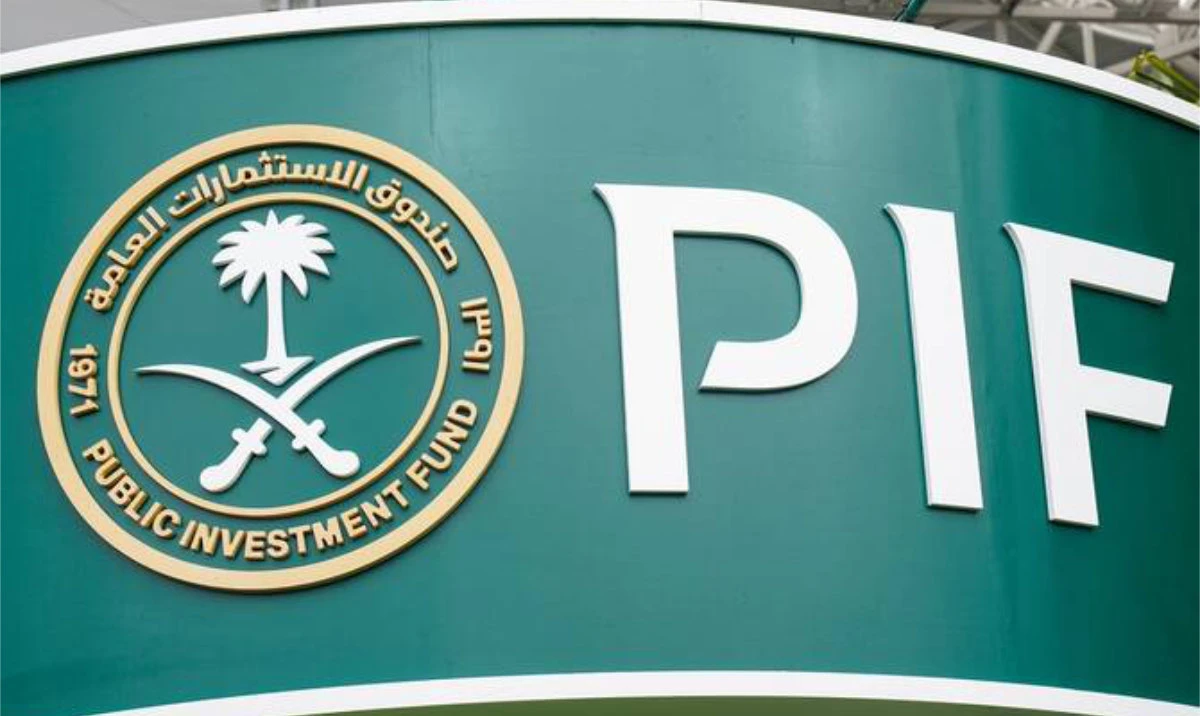
PIF’s portfolio delivered year-on-year growth of assets under management of 19 percent to reach $913 billion. Shutterstock
Short Url
Updated 13 August 2025
Follow

Saudi PIF’s assets under management rise 19% to $913bn in 2024

Saudi PIF’s assets under management rise 19% to $913bn in 2024
  • Total revenue increased by 25% year on year
  • PIF witnessed an annual average portfolio return of 7.2% since 2017

RIYADH: The total value of assets under management held by Saudi Arabia’s sovereign wealth fund reached $913 billion by the end of 2024, representing a 19 percent rise compared to the same period of the previous year. 

In its 2024 Annual Report, the Public Investment Fund said that total revenue increased by 25 percent year on year, while cash balance remained strong and broadly unchanged. 

The analysis follows Brand Finance’s recent ranking of PIF as the most valuable and fastest-growing sovereign wealth fund globally, with a brand value of $1.2 billion.

In July, a Global SWF study reported that the wealth fund had risen to fourth place globally among sovereign wealth funds, with assets exceeding $1 trillion, slightly higher than the figure in PIF’s annual report.

“PIF’s portfolio delivered year-on-year growth of assets under management of 19 percent to reach $913 billion. Capital deployment across priority sectors reached $56.8 billion in 2024, bringing cumulative investment since the beginning of 2021 to more than $171 billion,” said Yasir A. Al-Salman, chief financial officer of PIF. 

PIF witnessed an annual average portfolio return of 7.2 percent since 2017, while the fund’s cumulative real non-oil gross domestic product contribution to the Kingdom between 2021 and 2024 grew to $243 billion. 


“Throughout 2024, PIF continued to lead with long-term vision and purpose. PIF deepened its impact and continued to drive the economic transformation of Saudi Arabia, while generating sustainable returns,” said Maram Al-Johani, PIF’s acting chief of staff and secretary general to the board. 

She further said that the fund currently represents 10 percent of the Kingdom’s non-oil economy. 

“PIF’s portfolio reflects its focus on diversifying the Saudi economy. PIF continued to invest in and establish new companies, driving forward change and bringing the total number of portfolio companies at year-end to 225, of which PIF has created and established 103,” said Al-Johani. 

Al-Johani added that PIF continued to drive the development of strategic economic sectors in the Kingdom through expanding the technical capabilities of its investment portfolios, promoting localization, and encouraging innovation.

“The 2024 results highlight PIF’s transition from digital transformation to digital leadership, with artificial intelligence and automation together becoming a vital part of operations. In 2024, PIF completed 58 digital projects, launched 15 new applications and automated more than 477 processes, enabling insights, strategy and the creation of economic value,” said Al-Johani. 

PIF said that it continued to diversify funding sources, raising $9.83 billion in public debt and an additional $7 billion in private debt. 

Affirming the financial stability of PIF, global credit rating agency Moody’s upgraded the fund’s credit rating to Aa3 from A1 with a stable outlook, while Fitch affirmed its A+ rating with a stable outlook. 

Saudi Arabia’s non-oil sector posts strong growth as PMI hits 60.2 

Saudi Arabia’s non-oil sector posts strong growth as PMI hits 60.2 
Updated 8 sec ago
Follow

Saudi Arabia’s non-oil sector posts strong growth as PMI hits 60.2 

Saudi Arabia’s non-oil sector posts strong growth as PMI hits 60.2 

RIYADH: Saudi Arabia’s non-oil economy accelerated in October, with the Purchasing Managers’ Index climbing to 60.2, its second-highest level in more than a decade, signaling strong business growth momentum. 

The latest survey by Riyad Bank and S&P Global showed a sharp improvement in operating conditions across the Kingdom’s private sector, underpinned by solid demand, rising employment, and robust output growth.  

The October reading, up from 57.8 in September, highlights the sustained momentum of the non-oil economy as Vision 2030 reforms continue to drive diversification away from crude revenues. 

Speaking at the Future Investment Initiative in October, Saudi Arabia’s Minister of Economy and Planning Faisal Alibrahim said the Kingdom’s gross domestic product is expected to expand by 5.1 percent in 2025, supported by continued growth in non-oil activities. 

Commenting on the latest report, Naif Al-Ghaith, chief economist at Riyad Bank, said: “Saudi Arabia’s non-oil private sector recorded a solid improvement in business conditions in October, with the PMI rising to 60.2, marking one of the strongest readings in over a decade.”  

He added: “The acceleration was driven by broad-based gains in output, new orders, and employment, reflecting sustained demand momentum and continued strength in the non-oil economy.”  

Al-Ghaith noted that the latest survey results also indicate a strong start to the final quarter of the year, supported by both domestic and external demand. 

According to the report, the pace of growth in new orders received by non-oil companies accelerated for the third consecutive month in October, with 48 percent of surveyed firms reporting higher sales. 

Participating companies attributed the sales growth to improving economic conditions, a growing client base, and increased foreign investment. 

Output and employment also expanded sharply during the month, with job creation rising at the fastest pace in nearly 16 years.

Al-Ghaith said the persistent rise in new export orders highlights the growing competitiveness of Saudi firms and the progress achieved under ongoing diversification initiatives. 

“The rise in demand encouraged firms to expand production and workforce capacity at the fastest rate since 2009, as businesses expanded capacity to meet new workloads. Purchasing activity and inventories also increased, while suppliers’ delivery times continued to improve, reflecting efficient coordination and resilient supply chains,” he added.  

October data indicated a sharp rise in input costs for non-oil firms, driven mainly by wage increases from salary revisions and bonuses. 

On the outlook, companies remained optimistic, citing strong market demand, ongoing project work, and government investment initiatives. 

“Optimism is underpinned by solid domestic demand and the momentum of ongoing projects. Although some concerns persist around costs and competition, sentiment overall remains strongly positive, reflecting confidence in the economy’s continued expansion and the strength of the non-oil private sector,” concluded Al-Ghaith.