- Top UN official says over 638,000 people are experiencing catastrophic food insecurity, and more than half of world’s acute malnutrition cases are concentrated in Sudan
- She praises humanitarian groups for their determination and efforts to reach vulnerable people under increasingly difficult conditions, calls for more funding and media attention
NEW YORK CITY: Sudan is enduring one of the world’s biggest humanitarian crises, with 30 million people requiring emergency aid and more than 4 million displaced internally or as refugees.
The figures were given by Edem Wosornu, director of operations and advocacy at the UN Office for the Coordination of Humanitarian Affairs, who recently returned to New York following her third visit to Sudan since the civil war in the country erupted more than two years ago. She also visited neighboring Chad, which is hosting hundreds of thousands of refugees from Sudan.
She detailed the devastating effects of the ongoing violence and the unprecedented hunger crisis that are ravaging the country. Key cities including Khartoum, El-Fasher and El-Geneina have suffered extensive damage amid the persistent fighting between rival military factions that has displaced millions and shattered basic infrastructure.
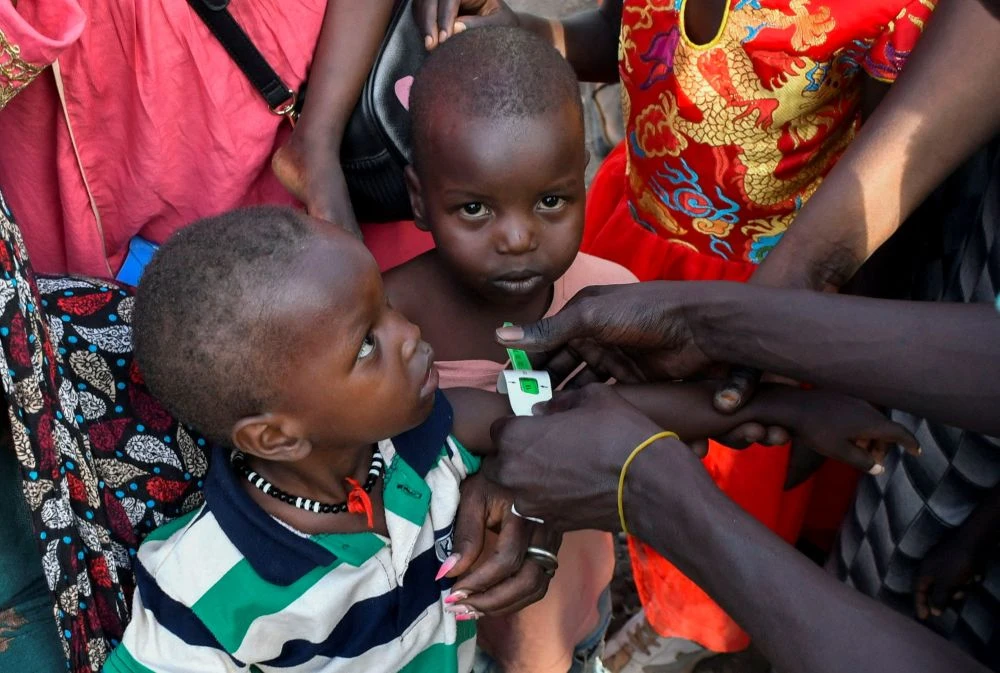
“Sudan, once known as the breadbasket of the Horn of Africa, is now facing a hunger crisis unprecedented in scale and severity,” Wosornu said, citing recent World Food Programme reports that estimated more than 638,000 people were living with the highest level of food insecurity, phase 5 on the Integrated Food Security Phase Classification, which is characterized by famine-like conditions.
“More than half of the global acute malnutrition cases are here,” she added.
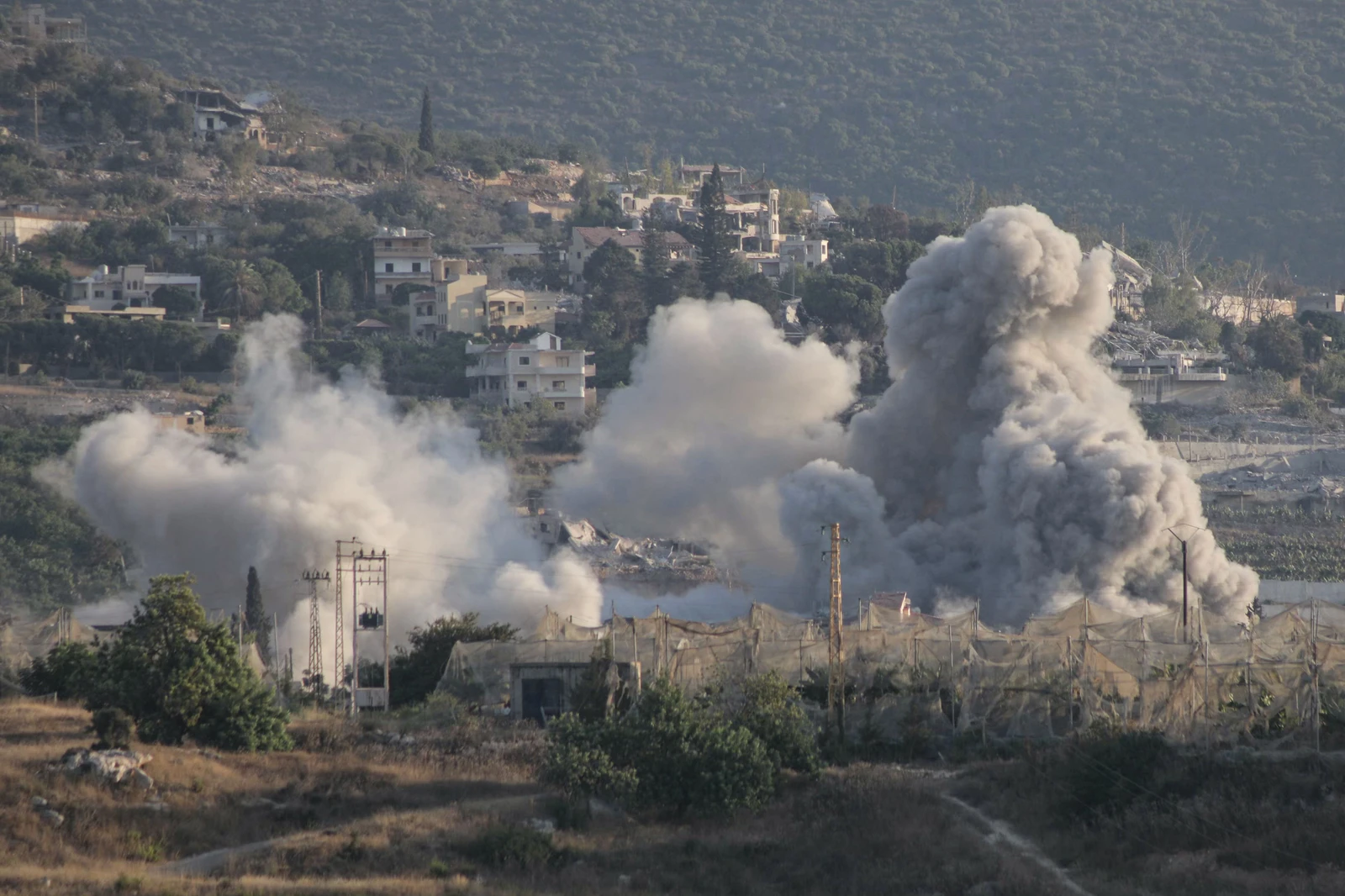
The conflict, now in its 860th day, has been marked by repeated violations of international humanitarian law, including drone strikes, shelling and ground attacks targeting civilian areas.
Wosornu warned that areas such as El-Fasher in North Darfur have been under siege for more than 500 days, severely restricting the delivery of lifesaving aid.
“Access remains the greatest challenge,” she said. “Despite ongoing negotiations, tens of trucks carrying food and medical supplies remain stranded at border crossings such as Nyala, unable to reach those trapped in conflict zones.”
Despite the obstacles, some progress has been made. UNICEF recently succeeded in delivering aid to hundreds of thousands of people in South Kordofan, Wosornu noted, a rare bright spot amid the widespread devastation. She praised humanitarian organizations for their determination and ongoing efforts to reach vulnerable populations under increasingly difficult conditions.
Describing the situation in the capital Khartoum, Wosornu said: “The city, once vibrant and bustling, is now a ghost town.
“Streets are littered with remnants of war — explosive ordnance, destroyed buildings — and basic services are largely absent. The trauma is palpable among residents, aid workers and officials alike.”
Yet, amid the ruins, she said she had observed signs of resilience: “I saw people sweeping streets and trying to restore normalcy.
“There is hope, but rebuilding will take many years and depends on a sustained ceasefire and peace.”
The crisis has also placed severe strain on neighboring countries, particularly Chad, which hosts more than 850,000 Sudanese refugees. Wosornu commended the Chadian government for keeping its borders open despite the overwhelming burden on local resources and security forces.
“One in every three people in eastern Chad’s provinces is Sudanese,” she said, adding that alarming levels of malnutrition and a cholera outbreak threaten both the refugees and their host communities.
Responding to concerns about international apathy and a perceived funding shortfall, Wosornu told Arab News: “While it may feel like the world has turned a blind eye, Sudan’s crisis funding is at 25 percent, which is higher than the global average of around 17 percent. Considering the scale and complexity of this emergency, that is not too bad.”
However, she stressed that the immense scale of the crisis demands increased funding and greater media attention.
“We urgently need more access for journalists and aid workers to tell the story and reach those in desperate need,” she said.
Wosornu called on all parties involved in the conflict to guarantee humanitarian access across the front lines, and urged the international community to press for an immediate end to hostilities.
“Sudan cannot continue like this. The war must stop. Only then can recovery and rebuilding begin,” she said.
In a direct appeal to donors and the international community, she added: “Providing life-saving assistance costs just 55 cents per person per day — that’s less than a cup of coffee at Starbucks. This small investment can save millions of lives.”