- Amid the world’s largest displacement crisis, Sudanese abroad are keeping families alive with remittances, soup kitchens and aid networks
- Doctors, activists and community groups in the UK and other countries are mobilizing to fill the gaps caused by dwindling international aid
LONDON: When Dr. Marwa Gibril left her medical practice in the UK to return to Port Sudan in January, she knew she was entering a country in collapse. Cholera was spreading, health workers were fleeing, and millions had been displaced from their homes.
Yet for Gibril — a family physician trained in Britain with a master’s degree in public health from Harvard — the decision was clear. She wanted to be with her family, use her medical skills, and support Sudan’s health system in crisis.
“I had all this knowledge and skills and I thought it’s time to put them in the right place,” she told Arab News from Port Sudan, the relatively secure coastal city and de facto capital where her mother and brother have chosen to remain.
“It’s a combination of all this together that I have to pay part of it back to the country.”
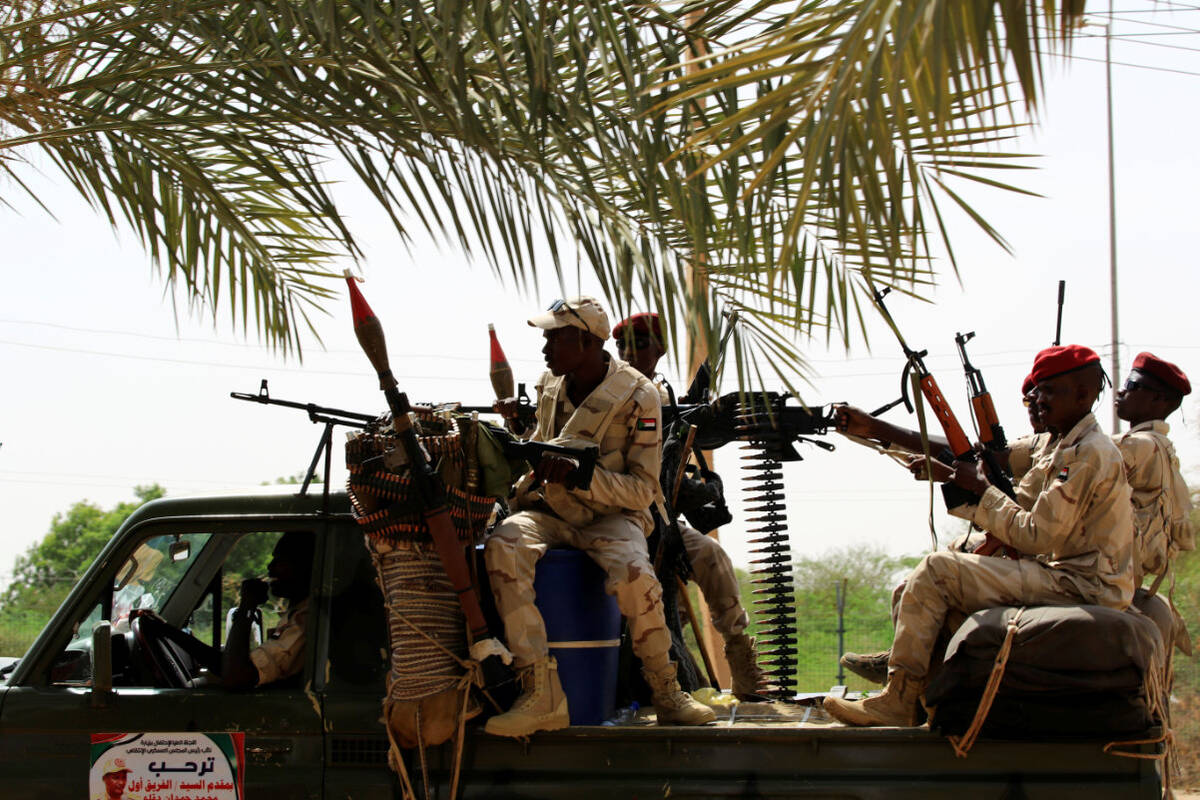
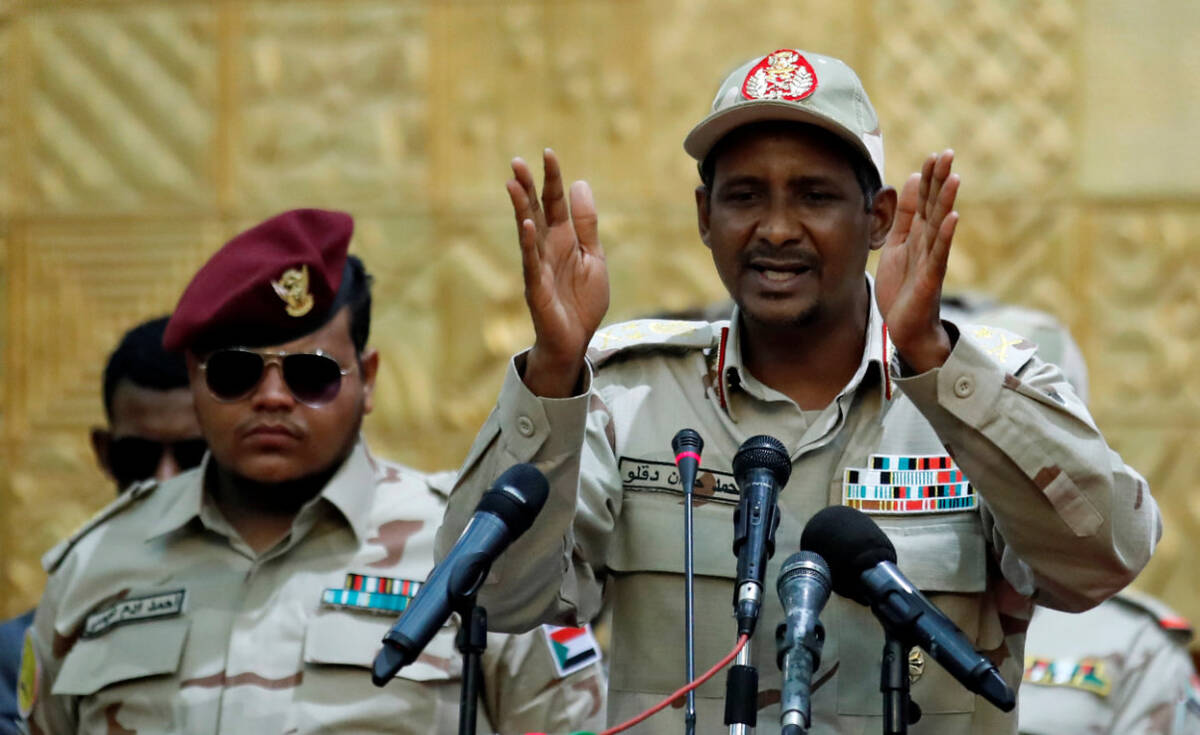
Gibril’s return comes against the backdrop of Sudan’s most severe displacement crisis in modern history. The war between the Sudanese Armed Forces (SAF) and the paramilitary Rapid Support Forces (RSF), which began in April 2023, has devastated the country.
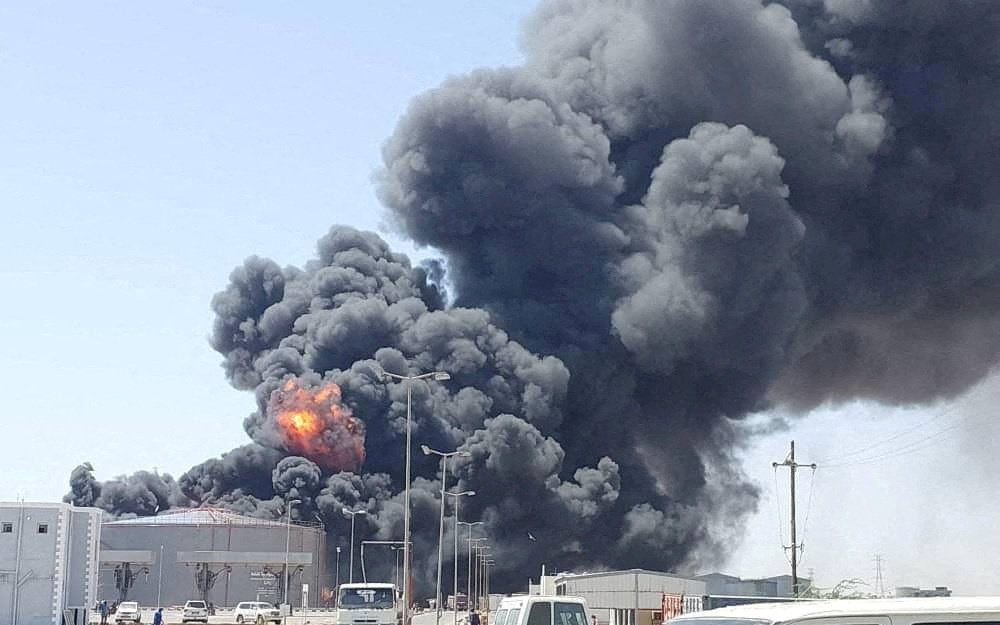
Now in its third year, the conflict has caused widespread damage to civilian infrastructure. Both parties have been responsible for thousands of deaths and face accusations of rape, looting, and destruction of property.
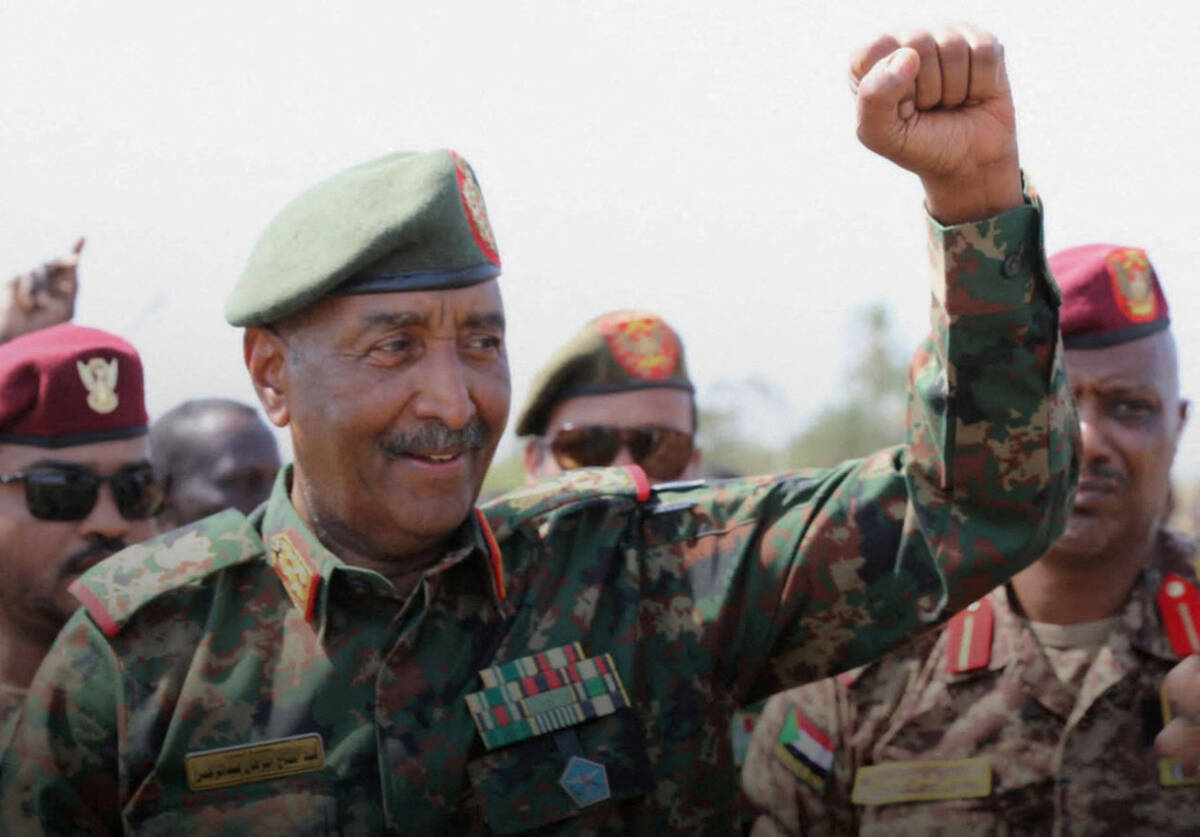
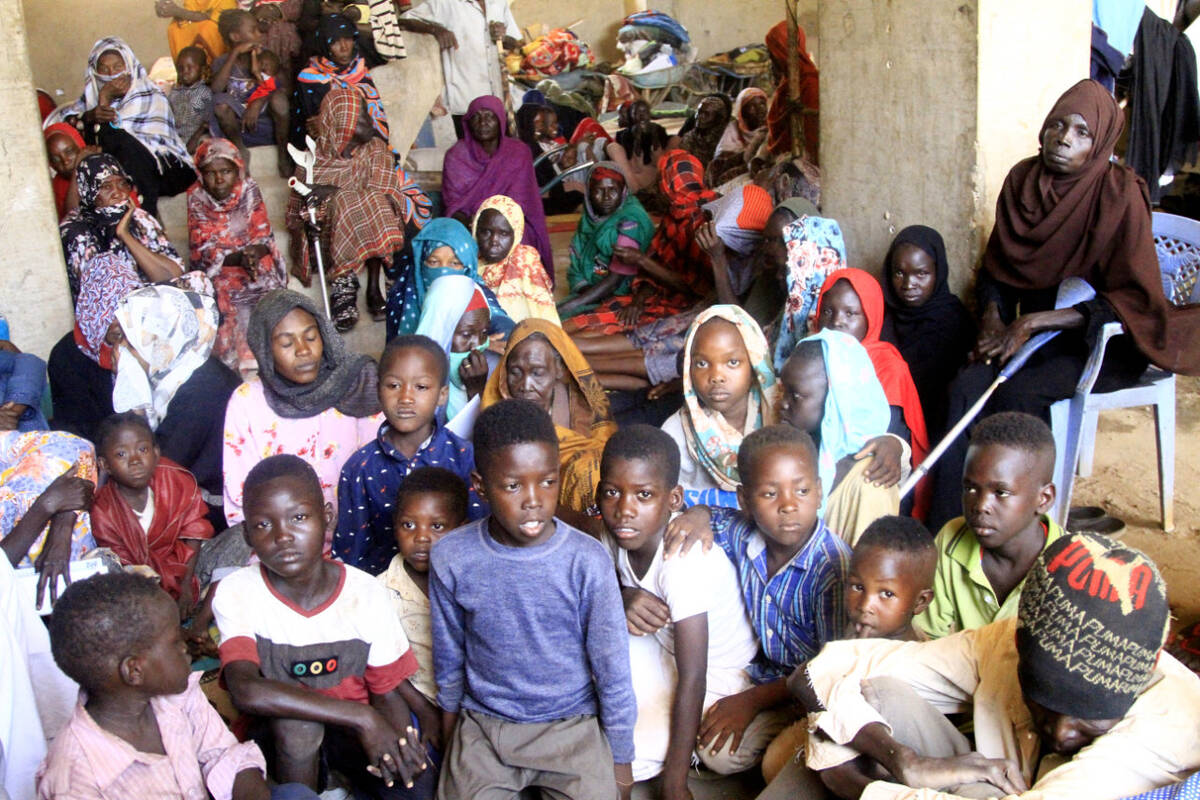
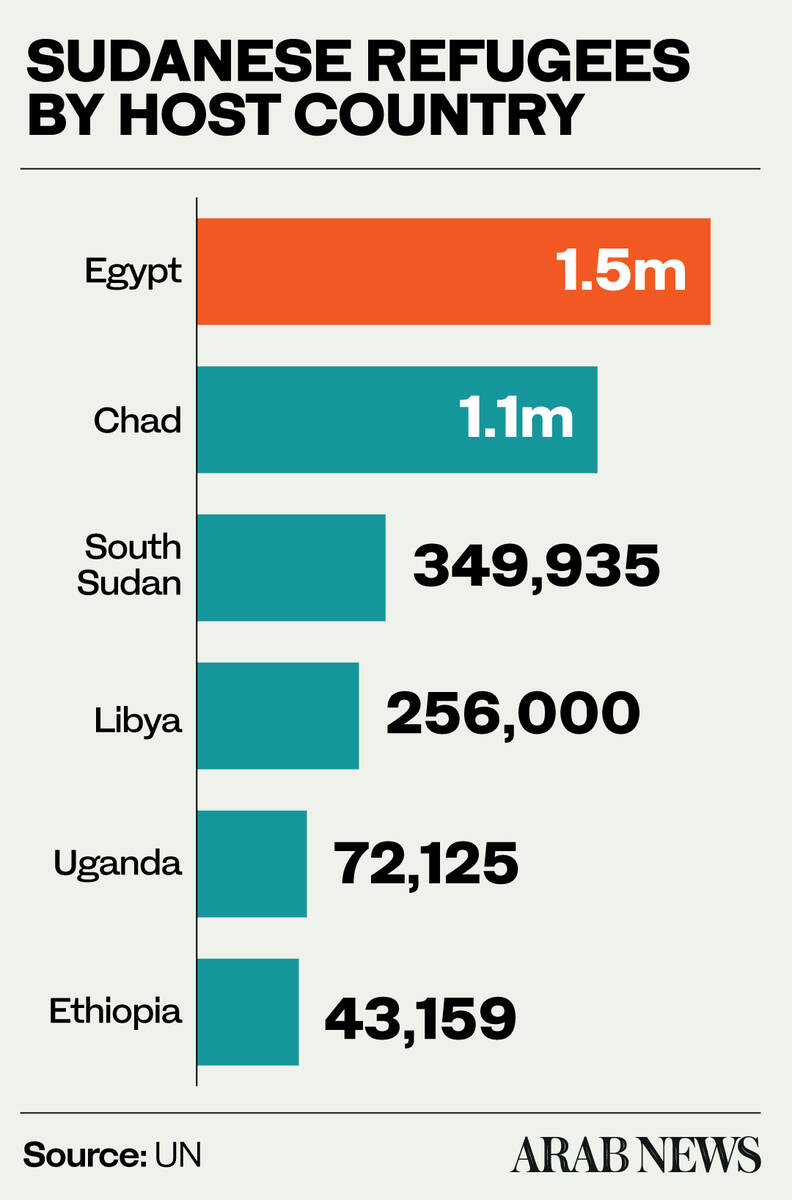
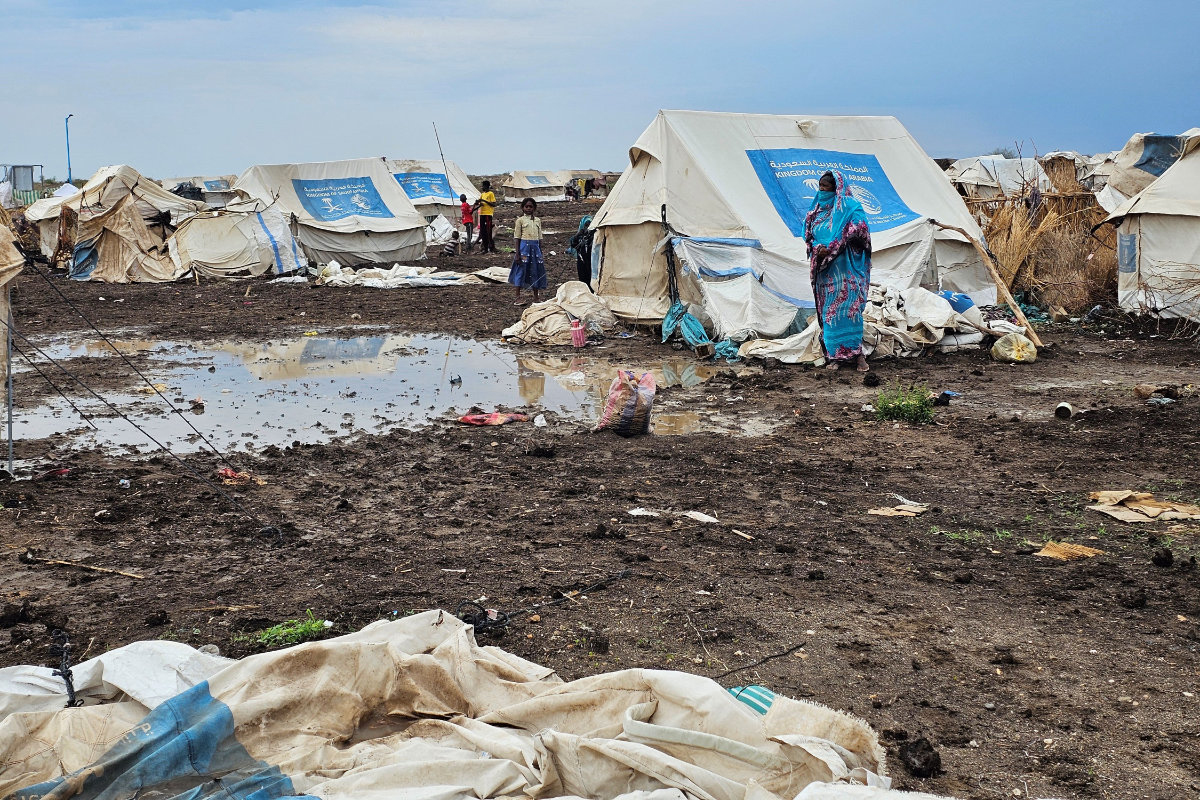
As of August 2025, more than 12 million people had been displaced: 7.7 million internally and 4.3 million as refugees or returnees in neighboring countries, making it the world’s largest displacement crisis, according to UN data.
Millions have lost homes, livelihoods, savings, and possessions. To survive, they rely on whatever resources they can preserve, the generosity of host communities, humanitarian assistance, and, critically, support from Sudanese relatives abroad.
Sudan’s modern history has been marked by cycles of migration, forced displacement, and internal upheaval, shaping both its culture and economy.
Waves of migration during Omar Bashir’s 30-year authoritarian Islamist rule sent skilled workers to Europe, North America and the Gulf, where many maintained close ties with families back home.
“The Sudanese diaspora have very strong ties with their home country of Sudan compared to other immigrants from other communities,” Gibril said.
“In general, Sudanese immigrants are recent, say, over the last 30 years, since Bashir’s time. We saw many politicians flee the country during different dictatorships. Even before this war, they went and left and sought refuge in the UK, US, and other Western countries.”
From the 1970s onwards, workers migrated in significant numbers, driven by political instability, limited opportunities, and economic decline at home. The remittances they sent back became a cornerstone of Sudan’s economy and a lifeline for families.
Outward migration was sometimes described by relatives as a dispersal — or shatat — a process that could weaken kinship ties. Yet diaspora support for relatives has remained strong, as shown by the outpouring of assistance in response to the war.
Nazar Yousif Eltahir is one of the founding members of the Sudanese Community in Oxford, a diaspora group established in 1996 to support families, provide supplementary schooling in Arabic, and coordinate cultural activities to celebrate Sudanese heritage.
“I continue to support my family financially amid the ongoing conflict,” Eltahir, who has relatives in White Nile state, told Arab News. “My stepmother, three sisters, and two brothers live in Sudan, facing severe challenges due to instability and shortages.
“My mother-in-law has found refuge in Cardiff (in the UK), while my brother-in-law and his children, as well as my sister-in-law and her children, are in Egypt. Tragically, my sister-in-law lost her husband last year in a landmine accident.”
On the day he spoke to Arab News, Eltahir had been volunteering his time to help rehouse a recently arrived Sudanese refugee and had written to his local member of parliament seeking help in securing permission for another refugee to visit family in Egypt.
As a member of the executive committee of Sudanese Doctors for Peace and Development and a supporter of many similar causes, Eltahir says he hopes to raise awareness about the conflict in Sudan and support charitable efforts.
“My greatest hope for Sudan is the achievement of a humanitarian ceasefire, followed by a permanent truce and sustainable peace,” he said.
“I aspire to see a civilian-led government, along with judicial and security sector reforms, that will protect democracy, uphold the constitution, and guarantee equal citizenship for all.”
IN NUMBERS:
• 51.7m Estimated total population of Sudan.
• 60.7% Adult literacy rate (ages 15+).
• $989 GDP per capita in 2024.
The Sudanese Community in Oxford is one of countless mutual aid organizations across the UK and the world that seek to balance the pressures of integration with efforts to preserve language, faith, and cultural traditions.
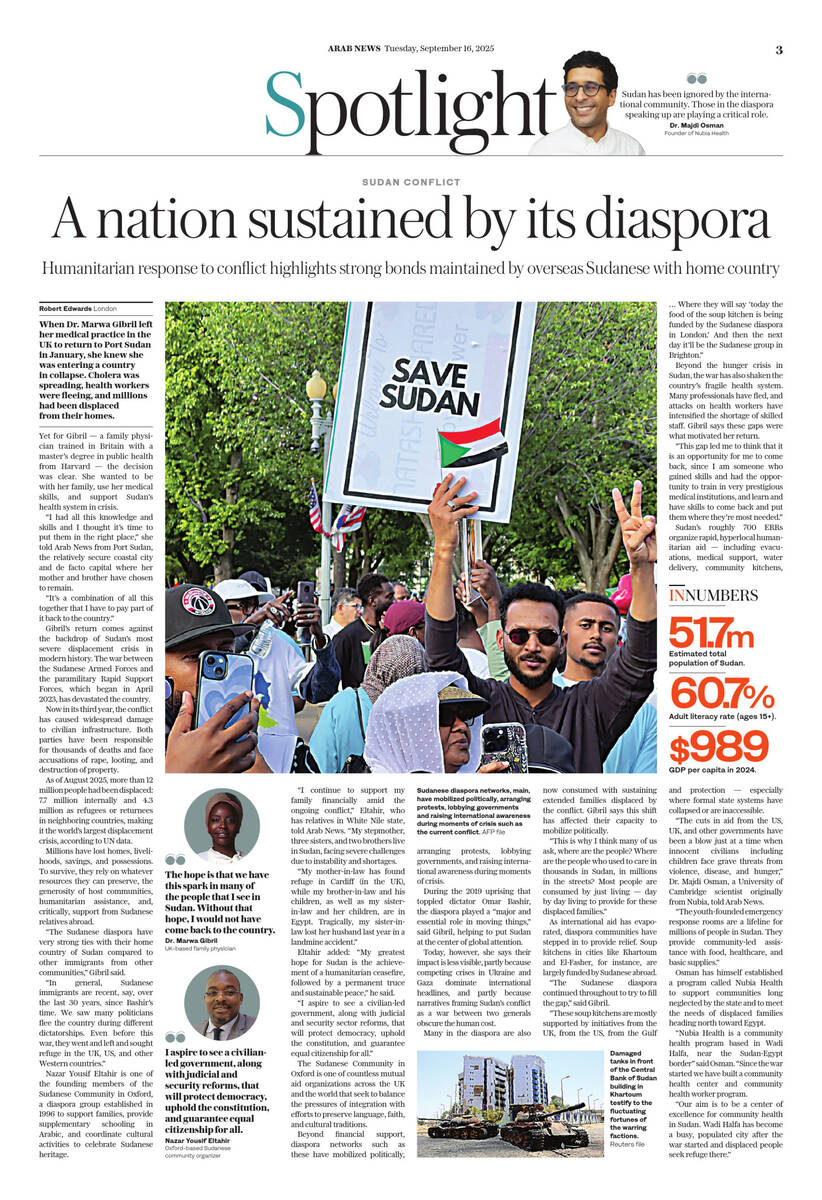
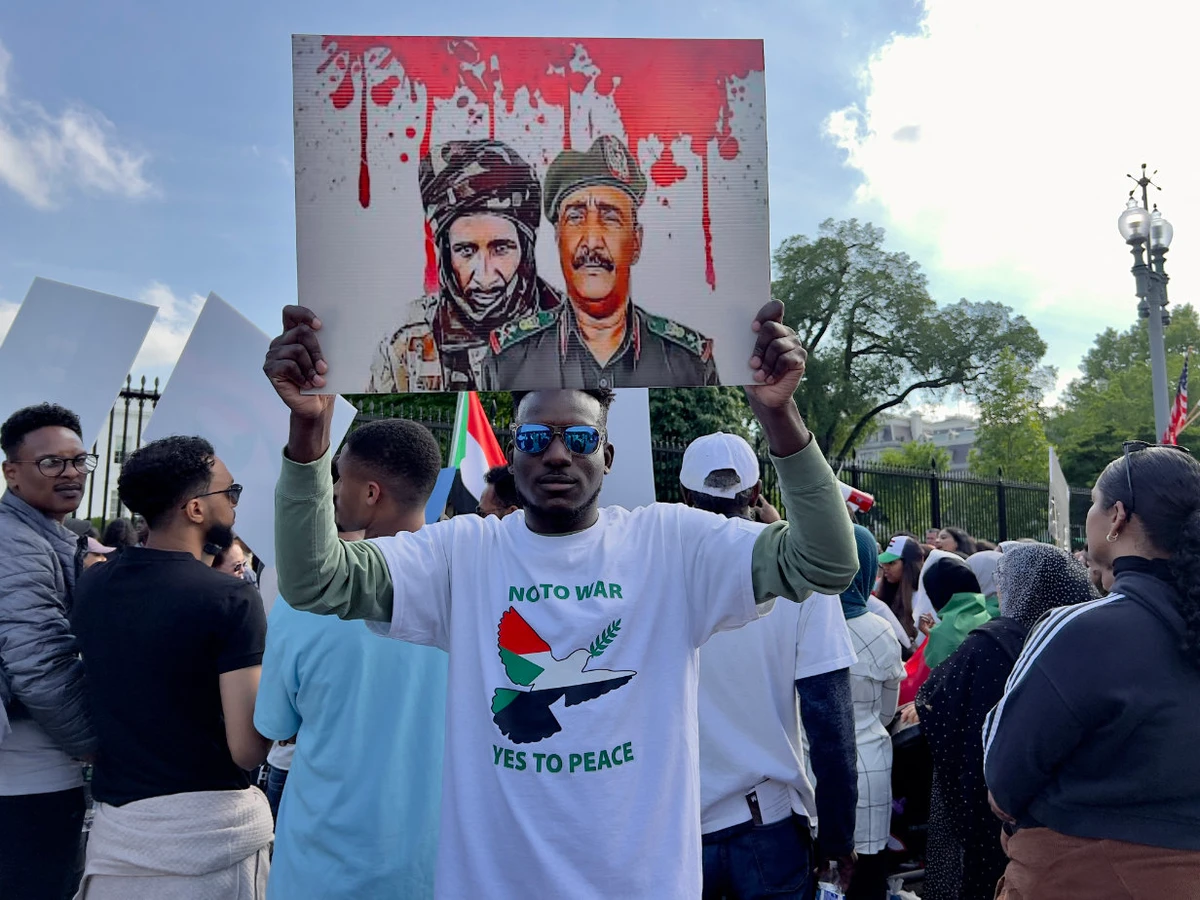
Beyond financial support, diaspora networks such as these have mobilized politically, arranging protests, lobbying governments, and raising international awareness during moments of crisis.
During the 2019 uprising that toppled Bashir, the diaspora played a “major and essential role in moving things,” said Gibril, helping to put Sudan at the center of global attention.
Today, however, she says their impact is less visible, partly because competing crises in Ukraine and Gaza dominate international headlines, and partly because narratives framing Sudan’s conflict as a war between two generals obscure the human cost.
Many in the diaspora are also now consumed with sustaining extended families displaced by the conflict. Gibril says this shift has affected their capacity to mobilize politically.
“This is why I think many of us ask, where are the people? Where are the people who used to care in thousands in Sudan, in millions in the streets? Most people are consumed by just living — day by day living to provide for these displaced families.”
As international aid has evaporated, diaspora communities have stepped in to provide relief. Soup kitchens in cities like Khartoum and El-Fasher, for instance, are largely funded by Sudanese abroad.
“The Sudanese diaspora continued throughout to try to fill the gap,” said Gibril.
“These soup kitchens are mostly supported by initiatives from the UK, from the US, from the Gulf … Where they will say ‘today the food of the soup kitchen is being funded by the Sudanese diaspora in London.’ And then the next day it’ll be the Sudanese group in Brighton.”
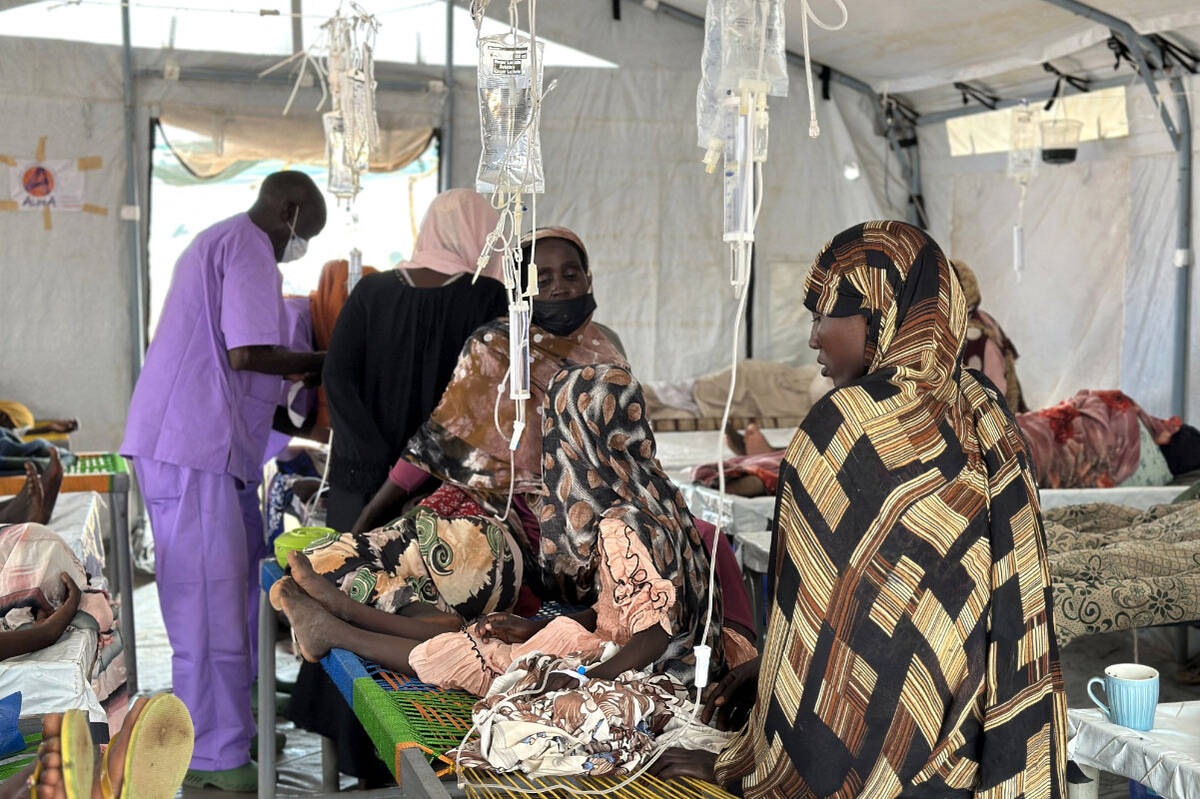
Beyond the hunger crisis in Sudan, the war has also shaken the country’s fragile health system. Many professionals have fled, and attacks on health workers have intensified the shortage of skilled staff. Gibril says these gaps were what motivated her return.
“This gap led me to think that it is an opportunity for me to come back, since I am someone who gained skills and had the opportunity to train in very prestigious medical institutions, and learn and have skills to come back and put them where they’re most needed.”
She now applies her expertise in family medicine and public health to Sudan’s cholera outbreak and broader humanitarian efforts. Her experience abroad, she says, equips her to advise authorities on the unique challenges of Sudan’s health landscape.
Gaps in the humanitarian response are also being filled by grassroots, community-led volunteer networks known as the Emergency Response Rooms (ERR), which emerged from the resistance committees that led the uprising against Bashir.
Sudan’s roughly 700 ERRs organize rapid, hyperlocal humanitarian aid — including evacuations, medical support, water delivery, community kitchens, and protection — especially where formal state systems have collapsed or are inaccessible.
“The cuts in aid from the US, UK, and other governments have been a blow just at a time when innocent civilians including children face grave threats from violence, disease, and hunger,” Dr. Majdi Osman, a University of Cambridge scientist originally from Nubia, told Arab News.
“The youth-founded ERRs are a lifeline for millions of people in Sudan. They provide community-led assistance with food, healthcare, and basic supplies.
“They are there in the neighborhoods most impacted by the war. What they have built is so important and provides a way for those in the diaspora to give directly to assist those in the country.”
Osman has himself established a program called Nubia Health to support communities long neglected by the state and to meet the needs of displaced families heading north toward Egypt.
“Nubia Health is a community health program based in Wadi Halfa, near the Sudan-Egypt border, that was founded just before the war,” said Osman. “Since the war started we have built a community health center and community health worker program.
“Our aim is to be a center of excellence for community health in Sudan. Wadi Halfa has become a busy, populated city after the war started and displaced people seek refuge there. It is led by a group of inspiring doctors and healthcare workers.”
For many Sudanese abroad, the pain of separation runs deep. The ability to help, even in a small way, is a welcome salve. “Every Sudanese person is dealing with their own displacement, fearing for those still in Sudan, or grieving loss of loved ones and a way of life,” said Osman.
Yet, despite their own burdens, countless others “are doing the difficult work of engaging with politicians to keep Sudan on the agenda. The war in Sudan has been ignored by the international community and those in the diaspora speaking up and organizing are playing a critical role.”
Despite immense challenges, Gibril retains hope in Sudan’s youth and their capacity to rebuild a unified nation. She believes meaningful change will require youth leadership, diaspora engagement, and an inclusive vision with human rights and social justice at its heart.
“The hope is that we have this spark in many of the people that I see in Sudan,” she said. “Many are supporting the SAF, but they are not supporting a country run by the military.
“They think the SAF and this state is essential as an institution to fight back against the RSF so they can go to their homes and start to rebuild.
“But also they see an important element for Sudan actually to come out of this is to transition to a civil-led government, to transition to democracy, where the SAF and all other security apparatus is reformed as part of this transition.”
Gibril believes the diaspora is uniquely positioned to support this process, with its members drawing on their experience of democracy, civic engagement, and organized advocacy.
“Without that hope,” she said, “I would not have come back.”