- Rania Elias, a Palestinian resident of Israeli-annexed east Jerusalem, said: “It came too late and adds nothing to the situation of Palestinians"
- Salma Ali, a 35-year-old PhD student in Ramallah, dismissed the recognition of a Palestinian state, saying it does little to change life under Israeli occupation
JERUSALEM: Recognition of a Palestinian state by several Western governments, including Britain and France, has sparked strong reactions on both sides of the decades-old Israeli-Palestinian conflict.
AFP spoke to people in Israel and the Palestinian territories, capturing sharply contrasting views on the move.
- View from east Jerusalem -
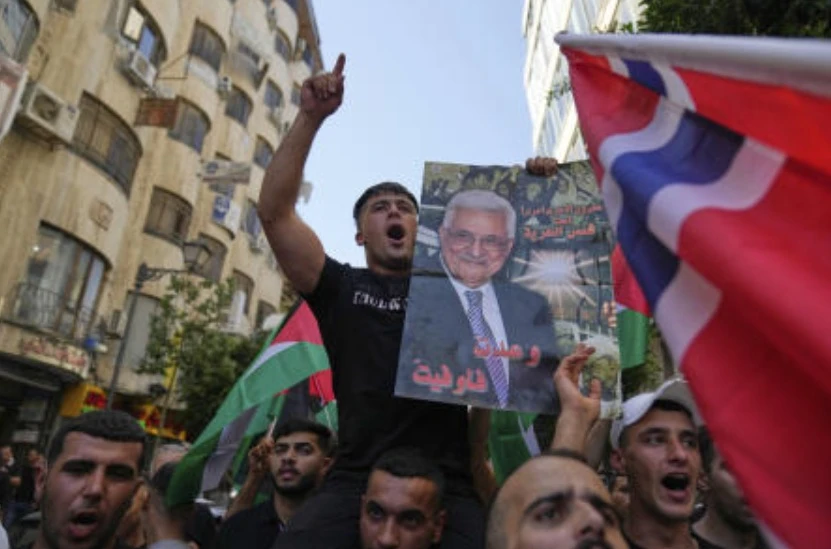
Rania Elias, a Palestinian resident of Israeli-annexed east Jerusalem, said the recognition should have come much earlier.
“It came too late and adds nothing to the situation of Palestinians. Had the recognition come before the genocide (in Gaza), it might have pushed things in the right direction,” she said.
“Its impact now is merely symbolic and superficial.”
- Gazan sees Israeli isolation -
Iyad Keshko, a 50-year-old resident of famine-hit Gaza City, where the Israeli military is conducting a ground assault, said recognition of a Palestinian state challenges Israel’s legitimacy.
“The legitimacy of the State of Israel has become shaky, and major powers are acknowledging that Israel is committing genocide and a holocaust against the Palestinian people,” said Keshko, who lives with his family in a tent in the Al-Rimal district.
“Recognition of the state will not force Israel to stop the war, but it will isolate Israel and Israelis will become shunned globally because of their crimes and war of extermination.”
- West Bank Palestinian -
Salma Ali, a 35-year-old PhD student in the West Bank city of Ramallah, dismissed the recognition of a Palestinian state, saying it does little to change life under Israeli occupation.
“How does it improve anyone’s situation in the West Bank?” she asked.
“You can’t go anywhere. You can’t go to other cities. You can’t go to villages. Your life is long hours at checkpoints. How does it improve my life?
“It doesn’t. It’s performative and it means nothing. It does not improve life in the West Bank. It does not make the occupation go away.”
- View of an Arab-Israeli -
Sami Al-Ali, an Arab-Israeli resident of Jerusalem, said that recognizing a Palestinian state must come with change on the ground.
“If this campaign is not accompanied by concrete actions from Western countries and from the Palestinian Authority itself to reconsider their relationship with Israel, it will be of little use,” Ali said.
“They could develop further relations with Israel based on conditions such as halting its annexation and expansion plans,” he added, referring to the growth of Jewish settlements in the West Bank.
- Jewish settler’s view -
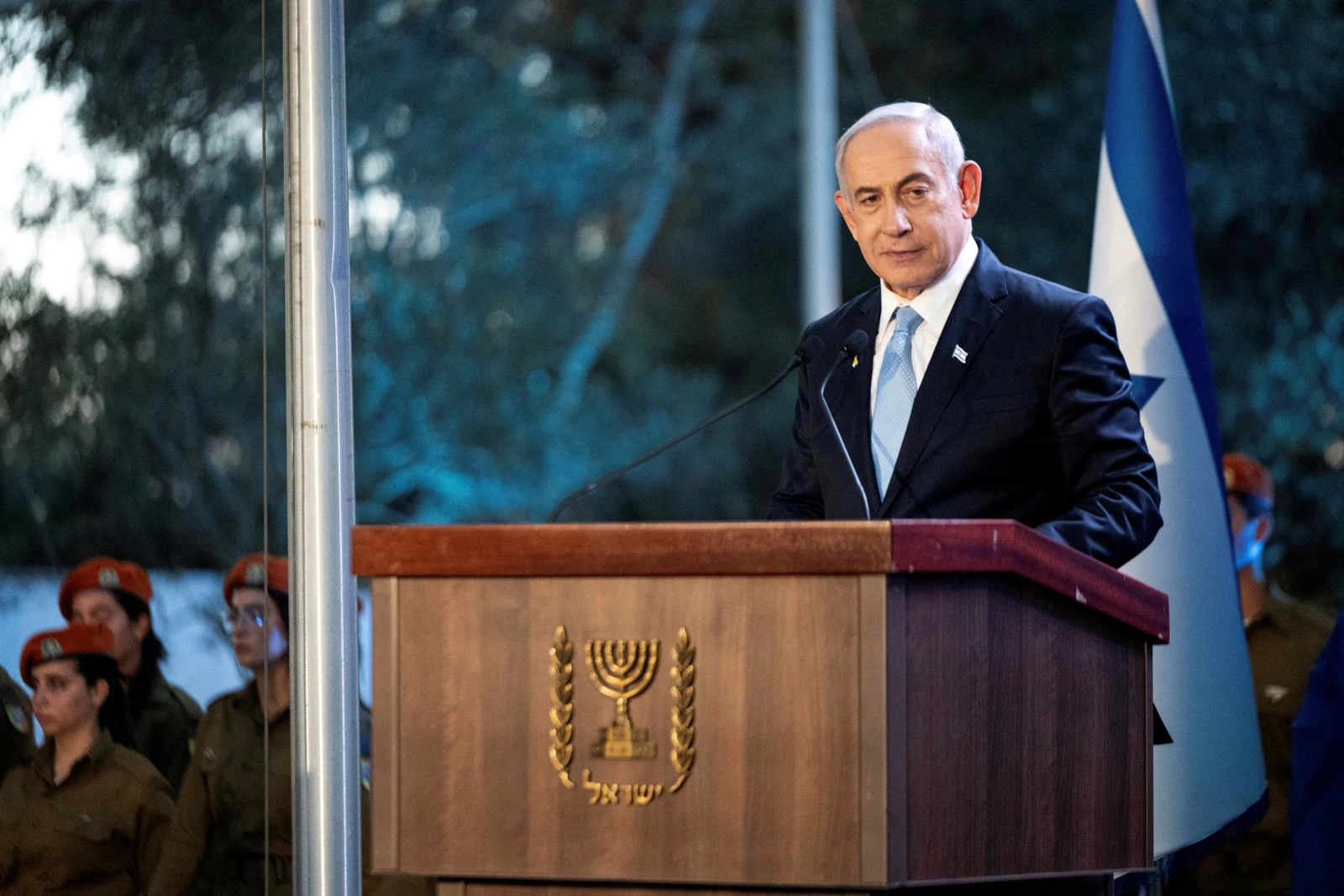
As several far-right Israeli ministers urge annexation of the West Bank in response to the wave of Western powers recognizing a Palestinian state, Jewish settlers in the occupied territory are also pressing the demand.
In a recent interview published on the I24 website, Yossi Dagan, head of the Samaria regional council, which oversees Jewish settlements in the northern West Bank, openly called for extending Israeli sovereignty across the territory.
“Only such a step will prevent the creation of a terrorist state in the heart of Israel,” Dagan was quoted as saying.
- Israelis from Jerusalem -
For Galia Pelled, an Israeli fitness trainer in Jerusalem, recognizing a Palestinian state is a betrayal of Israel.
“I feel like it’s a terrible, terrible betrayal,” Pelled, 65, told AFP.
“They’re giving a huge reward to those very same people who did that,” she said, referring to the October 7, 2023 attack on Israel by Hamas that sparked the Gaza war.
Pelled said she supports “peaceful co-existence” between Israelis and Palestinians, but fears that recognition could empower those “who choose terrorism.”
“I’m glad that I’m 65 today and not a young person,” she added. “I don’t know what the future holds, and I have a lot of fear for my children (and) my grandchildren.”
Shelly Zuckerman, 36, an Israeli resident of Jerusalem, said both sides were to blame for the failure to find a lasting solution to the conflict.
“The declarations are just meant to calm the people (and to show) that there is something happening and that they speak for the Palestinians and speak for the situation in Israel,” Zuckerman said.
“I hope it will lead to something, but it’s very symbolic.”