- Report by former government adviser reveals ‘deeply troubling’ findings contract
- ‘Concern that diversity is eroding national identity is now a mainstream view,’ she says
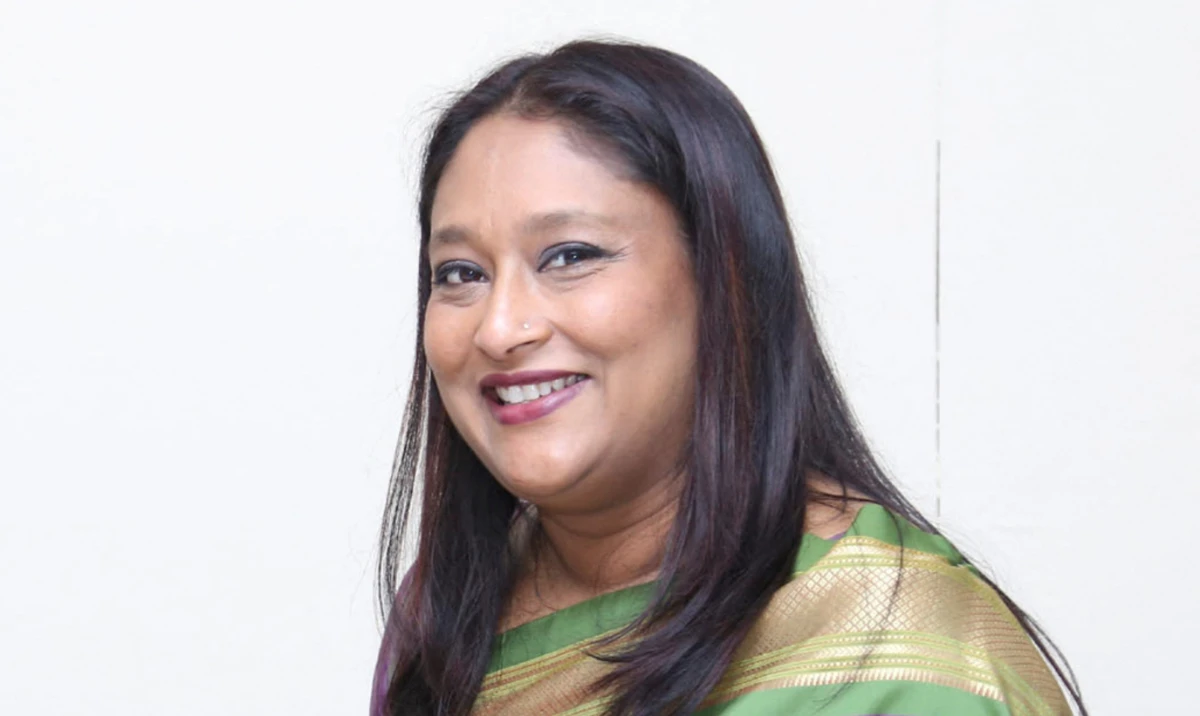
LONDON: Two in five British people believe that Muslims cannot integrate into society, a new report has found.
The study by Sara Khan, a former government adviser on extremism, also found more than half of Britons believe their country’s national identity is disappearing due to “diversity,” The Guardian reported.
The findings contrast sharply with data from British Muslims, 85 percent of whom favor integration.
The study by Khan, who in 2024 stood down as the UK’s first counterextremism commissioner, warned that extremist views in Britain were being spurred on by hostile states and malign actors within the nation. Some 1,784 far-right events and 225 Islamist events were reported over a 12-month period across the country.
At the launch of the report, titled “Britain Under Strain: The Broken Social Contract, Democratic Distrust and the Mainstreaming of Extremism,” Khan said there was a “vanishingly small” window for a prime minister to tackle division and hate.
This spring, a poll of more than 4,000 adults by More in Common found that 28 percent of people believed individuals should ignore rules and institutions that get in the way of change. A further 61 percent believe the social contract — which defines public trust in British institutions and norms — had broken down.
“The challenge now facing us is more serious, and more deeply rooted, than when I was counterextremism commissioner. This is not a passing dip in confidence but a structural crisis as a result of a chronic erosion of trust in institutions,” Khan said.
“The window to grip this is vanishingly small. The incoming prime minister must address these issues before our social contract anxieties shred away our democratic values.”
Her report also found that 31 percent of Britons are receptive to the view that non-white people would “never be as British” as white Britons.
A further 33 percent of respondents support remigration, while the proportion of people who believe Muslims cannot integrate into British society rose to 71 percent among supporters of Reform UK.
Khan said: “What it means to be British, and who that identity belongs to, has become a genuine fault line, not confined to any one political tribe, generation or region. Concern that diversity is eroding national identity is now a mainstream view held by a majority of Britons.”
However, the report highlighted a sharp divergence when British Muslims were polled.
A large majority of 88 percent said they mixed comfortably with other faiths and 85 percent said they felt free to practice their religion.
However, 64 percent of British Muslims reported feeling that white people were “working against Muslims,” and 56 percent said the same of Jews. A further 27 percent said they believed the Holocaust had been “invented or exaggerated.”
The findings of the report are “deeply, deeply troubling,” said Iman Atta, director of Tell Mama, a non-governmental organization that supports victims of anti-Muslim hate and monitors Islamophobia.
“The language of remigration is being used by anti-Muslim and far-right groups to suggest that British Muslim citizens should ultimately be part of the remigration process,” she added.
“This prejudicial and bigoted perspective goes against the core values of our country of the rule of law and fair play.
“There are real fractures buffeting a number of communities and their relations toward each other today, and we have a turbulent time ahead unless the government gets really serious about the depth of the problems.”