- Recent confiscation of St Peter Evangelical Church site is part of broader crackdown on Persian-speaking Christian worship, the human rights specialists say
- ‘Forced evictions are incompatible with international human rights law and risk leaving members of recognized religious and ethnic minorities homeless’
NEW YORK CITY: UN human rights experts on Wednesday condemned Iranian authorities for confiscating the St. Peter Evangelical Church compound in Tehran and evicting 27 members of the country’s recognized Armenian and Assyrian Christian minorities who lived there.
The experts said 20 families, most of them low-income, longtime residents of the compound, were given just two weeks to vacate their homes, and church leaders were threatened with arrest if they failed to comply. The last resident left the site on July 12, fueling concerns that the complex could be demolished.
“Forced evictions are incompatible with international human rights law and risk leaving members of recognized religious and ethnic minorities homeless,” the experts said in a statement.
The 10-acre compound in central Tehran houses much more than a place of worship, having also served as home and a place of learning for its residents. In addition to the church building, there are two schools and the residents’ houses on the site, as well as offices belonging to the Bible Society and the Council of Evangelical Churches of Iran, which owns the land.
A Revolutionary Court ordered in 1998 that the compound be transferred to the Execution of Imam Khomeini’s Order, a state body that operates under the Office of the Supreme Leader. That ruling was subsequently used to block the reregistration of the evangelical council, although it said it only learned of the order in 2008.
The UN experts described the seizure of the site as part of a sustained pattern of measures targeting Iran’s Christian community, in particular Persian-speaking worship. As evidence of this they also highlighted the 2019 closure of an Assyrian Presbyterian church in Tabriz, and the demolition in June 2026 of a Presbyterian church in Mashhad that had been shut down decades earlier.
Iran was once home to about 50 Protestant churches, most of which offered services in Persian. Now, the experts said, effectively none remain, having either been closed outright or barred from holding Persian-language services.
The last three Anglican churches that were permitted to preach in Persian, located in Tehran, Isfahan and Shiraz, were not allowed to reopen after the COVID-19 pandemic.
“Freedom of religion or belief includes the freedom to worship in community with others, in one’s own language, and to maintain places of worship,” the experts said.
“When a church is confiscated, a community loses not only a building but a place of worship and community life.”
Beyond church closures and confiscations, Christians in Iran continue to face arrest, detention and ill-treatment, the experts said. At least 79 are currently detained or imprisoned, the vast majority of them converts, with some allegedly forced to make confessions under torture.
Among them is Mohammed Nikbakht, a Christian convert reportedly arrested and beaten at his home in Golpaygan in March this year, who is being held incommunicado at Dastgerd Prison in Isfahan. His family has been given no information about his legal status or access to counsel, the experts said.
They called on Iranian authorities to allow residents and congregants to return to the St. Peter compound, halt all threats and intimidation against the church community, and release those arbitrarily detained. They said they remain in contact with the Iranian government in an effort to clarify the issues raised.
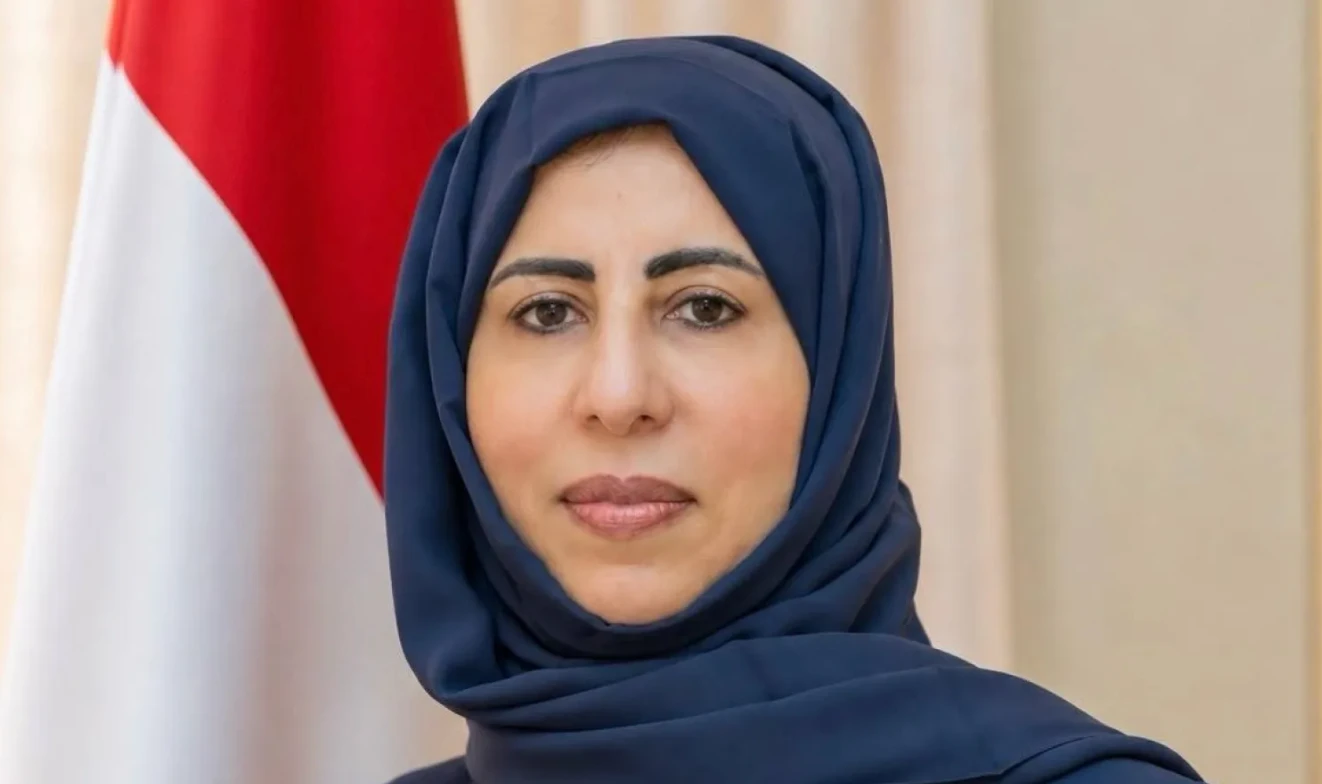
The experts are Mai Sato, special rapporteur on the situation of human rights in the Islamic Republic of Iran, and Nazila Ghanea, special rapporteur on freedom of religion or belief.
Special rapporteurs are part of what is known as the special procedures of the UN Human Rights Council. They are independent experts who work on a voluntary basis, are not members of UN staff and are not paid for their work.