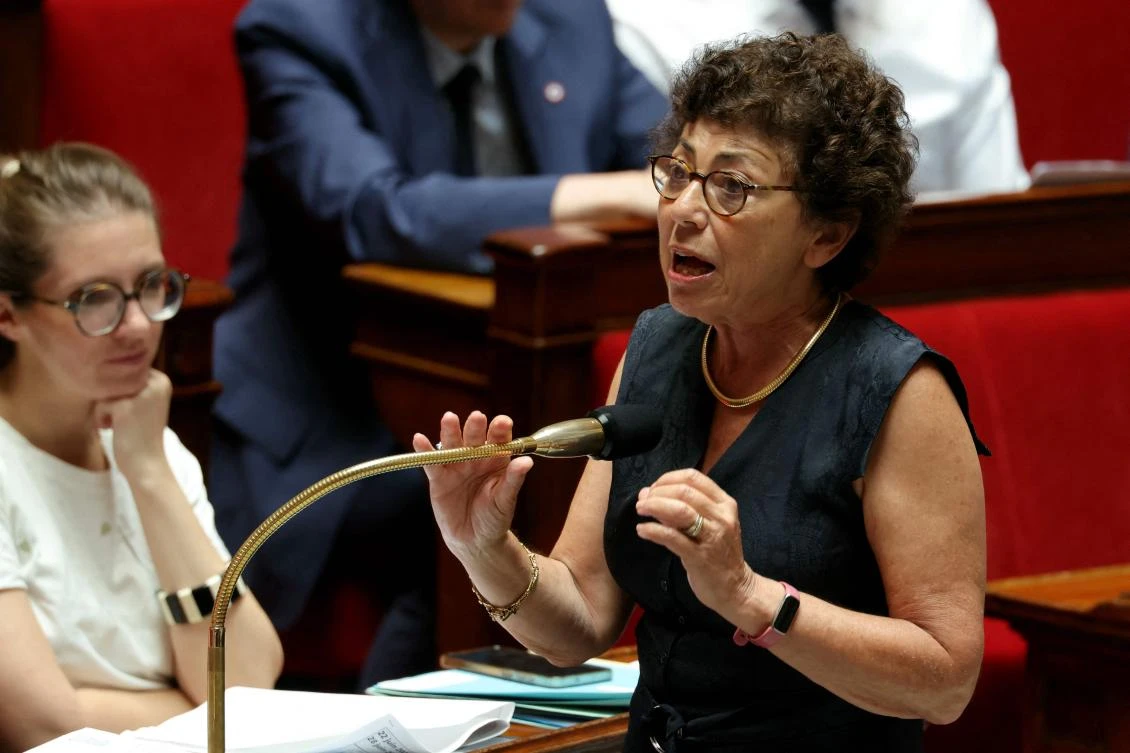
- “I will present my resignation to the president today,” Barbut wrote in a post on LinkedIn earlier
- Macron refused her resignation, and Barbut has since decided to stay in government, Bregeon told reporters
PARIS: French Environment Minister Monique Barbut, who handed in her resignation in protest after parliament’s approval of a farm bill allowing the temporary reintroduction of two pesticides suspected of harming bees, will remain in the government, government spokesperson Maud Bregeon said on Wednesday.
“I told the prime minister yesterday that the conditions for me to stay in the government were no longer being met and I will present my resignation to the president today,” Barbut wrote in a post on LinkedIn earlier on Wednesday.
But President Emmanuel Macron refused her resignation, and Barbut has since decided to stay in government, Bregeon told reporters.
The farm bill allows, via a waiver, the use of acetamiprid — part of the neonicotinoid group of pesticides — on hazelnuts and flupyradifurone on sugar beets, apples and cherries.
Environmental campaigners and some unions representing small-scale farmers have said the bill benefits the large-scale agro industry and ignores scientific warnings about the risks to pollinators, ecosystems and health, with Greenpeace denouncing the bill as “a disgrace.”
The sugar industry has said the pesticides are needed to protect crops from aphids, which have ravaged beet harvests in previous years.
The waiver must still be approved by France’s health and safety agency, and it cannot exceed three years.
A petition against the bill last year gathered more than 2 million signatures, a record for a petition on the website of the National Assembly.
Last year, the constitutional court had blocked the re-introduction of acetamiprid citing insufficient safeguards.