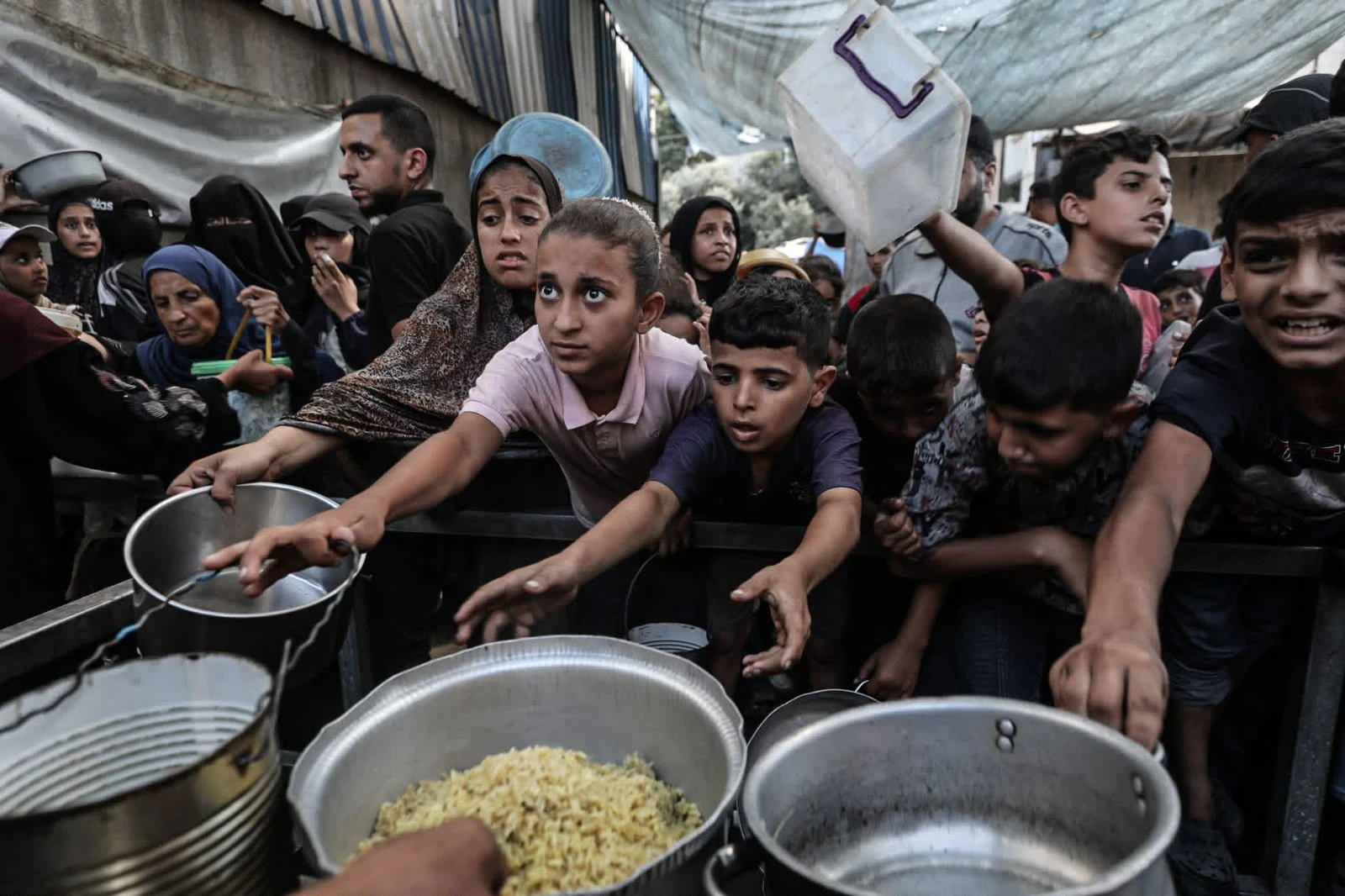
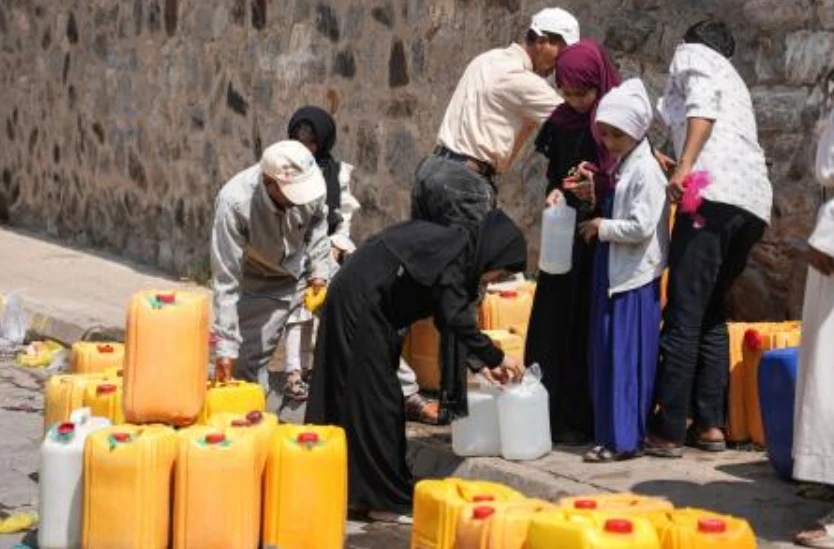
- Secretary-General Antonio Guterres tells Security Council ‘situation is getting out of control. It is teetering on the edge of the unimaginable’
- US Ambassador Tammy Bruce accuses Iran of repeatedly violating international law, undermining its agreement with the US, and defying the council
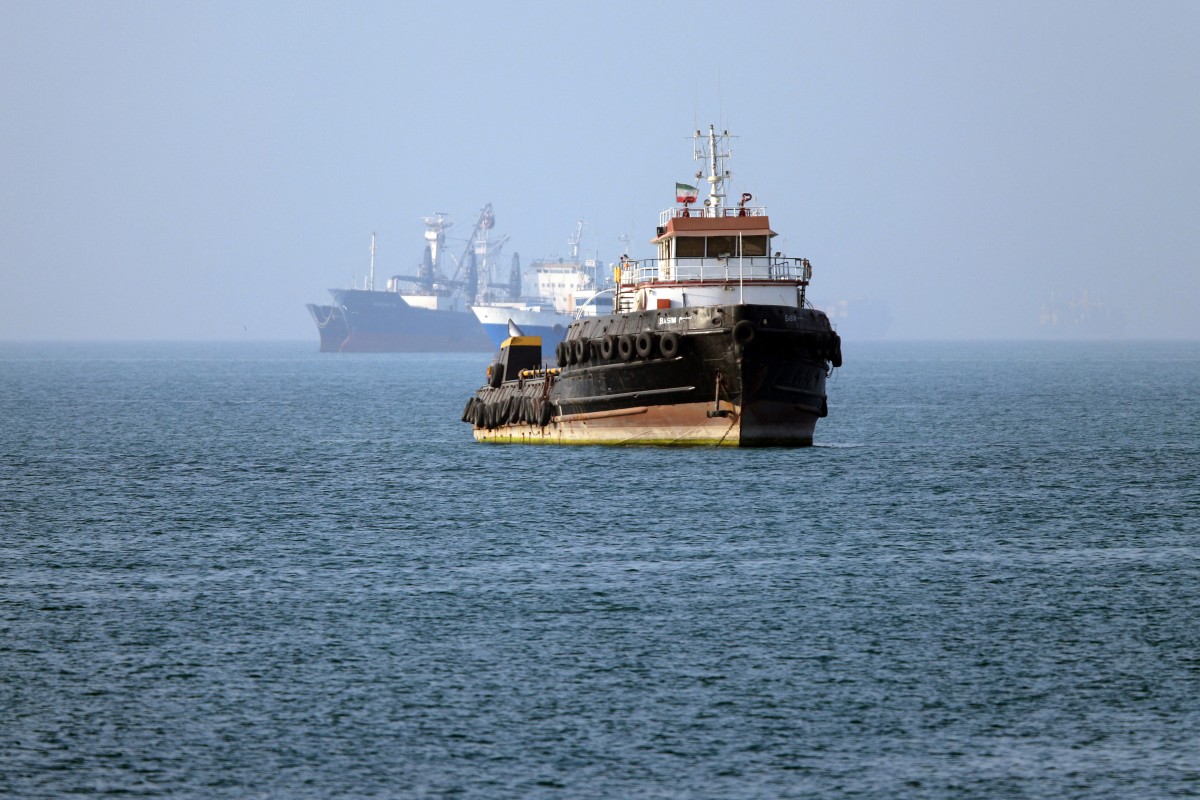
NEW YORK CITY: The UN secretary-general, Antonio Guterres, warned the Security Council on Thursday that the security crises in the Strait of Hormuz and the Red Sea risk pulling the Middle East into “an ever-widening circle of confrontation,” as he called for the full restoration of international navigational rights in both waterways.
Speaking during a meeting of the council on the peaceful settlement of disputes, he said trust between parties was eroding and it was “becoming harder to reach and maintain” negotiated settlements.
“The situation is getting out of control,” he added. “It is teetering on the edge of the unimaginable.”
Guterres warned that one crisis was feeding another, and one escalation triggering the next, with political objectives increasingly obscured by the confrontation itself.
“It is time to step back,” he said, stressing that attacks on civilian infrastructure are unacceptable and there was no military solution to the conflict. He called for fighting to stop “everywhere in the region,” and said international navigational rights and freedoms in and around the Strait of Hormuz and Bab Al-Mandab Strait must be fully restored.
He credited Pakistan and other countries for their efforts at mediation with the aim of easing tensions and creating space for dialogue, and said such efforts “must be supported and strengthened in pursuit of a peaceful and durable settlement.”
The US ambassador, Tammy Bruce, told the council that Washington had pursued “productive, good faith diplomacy” with Tehran, an effort that had culminated in the signing of a memorandum of understanding. She said President Donald Trump’s preference remained dialogue over conflict, but accused Iran of repeatedly violating international law, defying the Security Council and undermining the agreement with the US.
“Absent a decision by Iran to reengage in diplomacy, the US will act to help restore conditions in the Strait of Hormuz,” Bruce said.
She also urged Iran to halt what she described as its illicit support to the Houthis in violation of UN arms embargoes, alleging that Tehran continued to facilitate the transfer of “terrorist fighters” to and from Yemen, including two unauthorized flights that landed in Sanaa in the past two weeks.
Iran’s “willful disregard” of the council’s collective decisions was unacceptable, she added.
France’s deputy permanent representative to the UN, Jay Dharmadhikari, said regional peace and stability had been “once again gravely compromised” by the resumption of hostilities between Iran and the US.
He condemned strikes by Tehran against states in the region and vessels in the Strait of Hormuz, and said Paris stood alongside its regional partners, “as we have done during previous conflicts.”
Only deescalation, a return to a ceasefire, and a diplomatic solution would bring peace to the Middle East, he added.
It is essential that Iran respects its commitments under the agreement with the US and engages in negotiations for a lasting agreement that guarantees the exclusively peaceful nature of its nuclear program, Dharmadhikari said. He also expressed concern about Houthi strikes on ships in the Red Sea and the group’s threats to impose a blockade on Saudi Arabia.
Bahrain’s ambassador to the UN, Jamal Alrowaiei, welcomed mediation efforts by Pakistan and Qatar in an attempt to deescalate tensions and keep channels of communication open.
He said Bahrain “strongly condemns” recent Iranian attacks on Gulf Cooperation Council member states and Jordan, and expressed “deep regret” over Tehran’s failure to contribute to regional security and stability, instead undermining it by “fueling tensions and supporting proxies.”
Some states targeted by Iran, including Saudi Arabia, had previously played positive roles as mediators between Tehran and the international community but this had not deterred Iran from targeting them, Alrowaiei added.
China’s ambassador to the UN said renewed conflict in the Gulf served the interests of no one, and called on all parties to heed international appeals for peace, exercise restraint and immediately cease confrontations to help create the conditions required to resume the implementation of the memorandum of understanding with the US.
Beijing’s envoy said early restoration of normal and safe passage through the Strait of Hormuz, and respect for the legitimate rights of littoral states, was a shared aspiration of the international community, and urged all parties to “meet each other halfway.”