- Israel says it is preventing threats, but analysts see a broader effort to constrain Syria’s military reconstruction
- Turkish connection is a new factor as Damascus seeks to rebuild its military and restore sovereignty
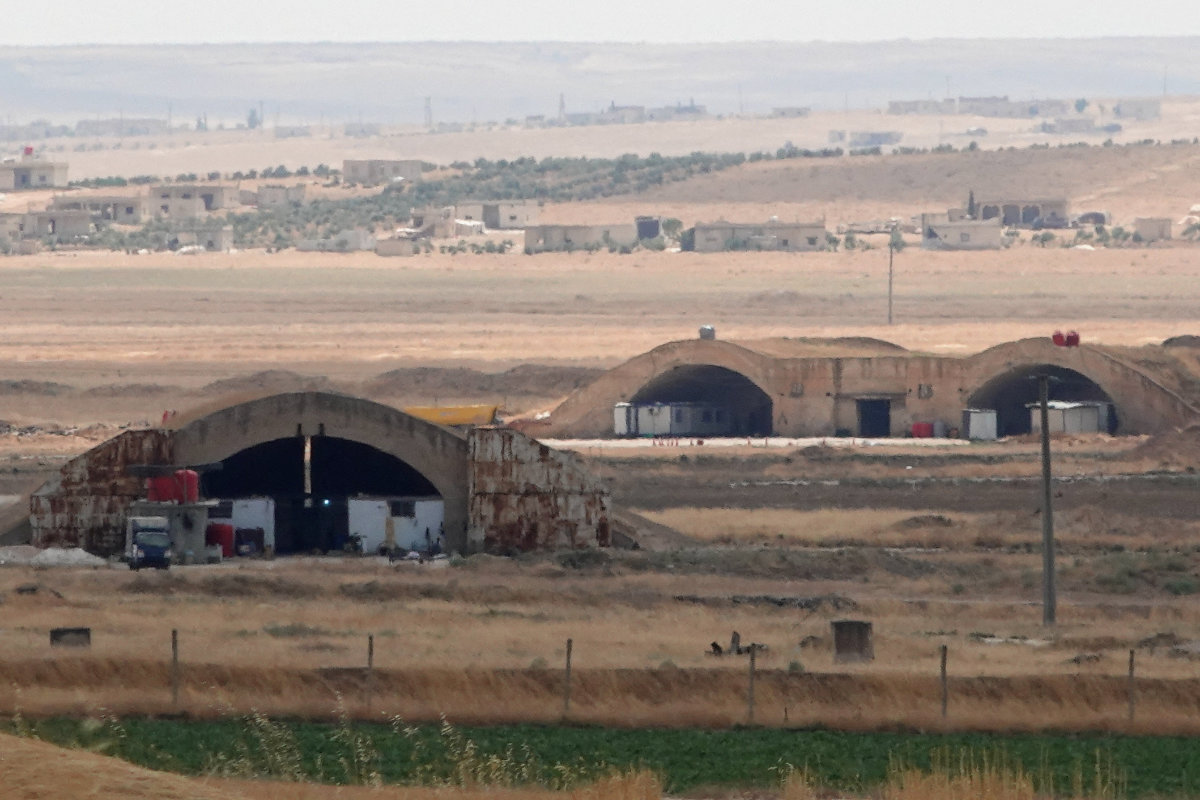
DUBAI: Israel’s airstrike on the Abu Al-Duhur military airport in Syria’s Idlib province on Tuesday was not just an attack on Syrian military infrastructure. Analysts believe it was a calculated message to the post-Assad leadership in Damascus and its Turkish allies.
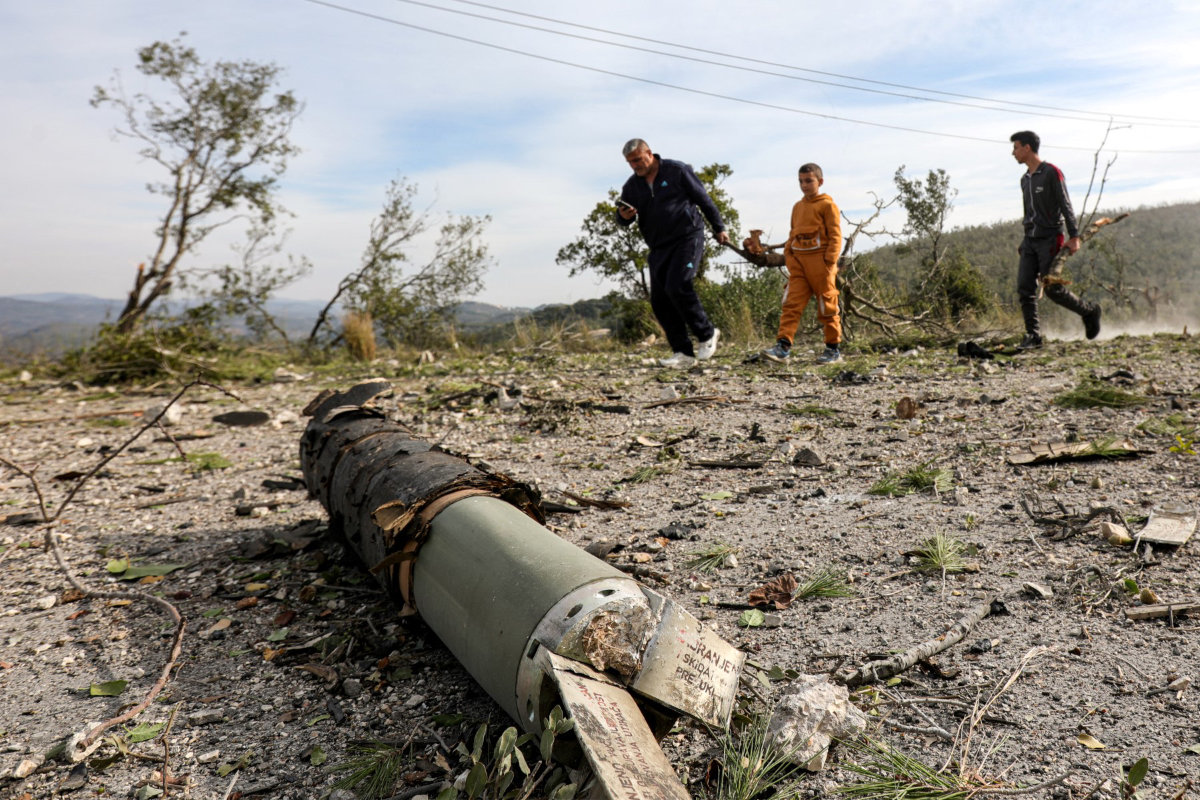
The strike, which damaged the runway but caused no casualties, immediately drew condemnation from Damascus, Ankara and Washington.
US special envoy for Syria Tom Barrack called it “an unnecessary escalation that does not advance regional stability,” adding that it “underscores the need for a deconfliction mechanism involving Israel, Syria and Turkiye.”
The Syrian Foreign Ministry, meanwhile, described it as an “unjustified act of military aggression.”
Israel later confirmed the strike, with Prime Minister Benjamin Netanyahu saying Syria was on the verge of violating an agreed security status quo by allowing Turkish troops to deploy at an airbase near Aleppo, despite repeated Israeli warnings.
The Saudi Foreign Ministry also condemned the strikes. In a statement, the Kingdom expressed its “strongest condemnation” of the strikes carried out by “Israeli occupying forces,” calling them “a blatant violation of international law and the sovereignty of Syria.”
For Israel, the reconstruction of Syria’s military capabilities, particularly its air force, has become a red line.
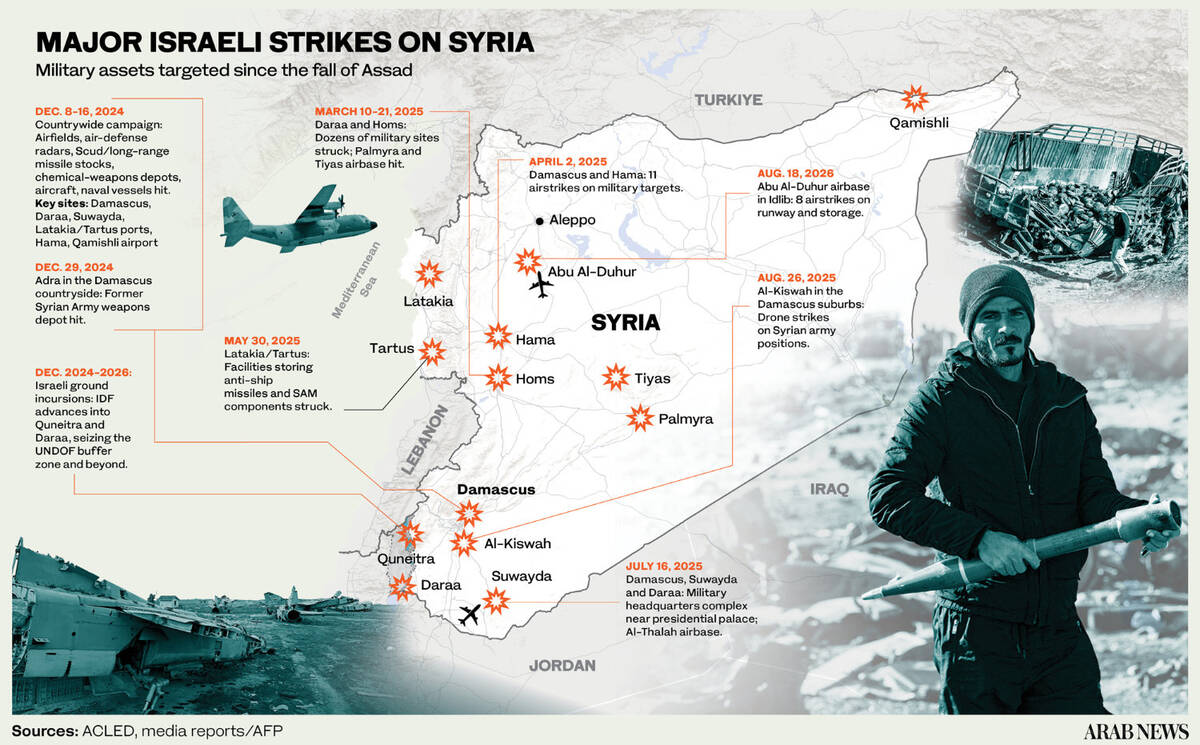
Since the Assad regime fell in December 2024, Israel has mounted a sustained campaign to degrade Syria’s military capabilities, striking air defense systems, radars, missile and weapons depots, naval assets and other strategic infrastructure.
Israel said the initial campaign was intended to prevent strategic weapons from falling into the hands of hostile groups. Its military estimated that 70-80 percent of Syria’s strategic military capabilities were destroyed within 48 hours.
The latest strike carried a message not only to Damascus but also to Ankara — that Turkish relations with Syria do not give Syrian military facilities protection from Israeli action.
Syrian political analyst Bassam Suleiman sees the strike as an attempt by Israel to maintain its position as a force capable of shaping the regional balance.
“In my view, Israel has become increasingly threatened by the Makkah Pact and wants to send a message that it remains a force to be reckoned with in the region, especially when it comes to Syria,” Suleiman told Arab News, referring to the Makkah Joint Defense Agreement signed by Saudi Arabia, Pakistan and Turkiye on Aug. 7.
“Israel has a history of not allowing a strong, independent Syrian state to flourish, therefore any attempt to rebuild will be met with their strikes. This has become evident, especially after the liberation in 2024 where they proceeded to launch one of the largest attacks on Syrian military infrastructure.”
Fadel Abdul Ghany, executive director of the Syrian Network for Human Rights, echoes the sentiment.
“Israel’s objective is to prevent the emergence of a Syrian security order that could constrain Israeli military freedom of action, restore credible Syrian conventional capabilities, or permit hostile regional actors to operate near the Golan,” he told Arab News.
Turkiye is viewed as a major part of that concern, Abdul Ghany added, because Turkish training, infrastructure support or deployment could accelerate the rebuilding of a coherent Syrian military.
Under Assad, Syria was a central part of Iran’s regional strategy, using it as a corridor through which to support its Hezbollah proxy in Lebanon. Yet for all the threats Assad’s government represented, Israel appeared willing to live with them.
With the fall of the Assad regime, Israel’s response was swift. Israeli forces took control of Mount Hermon and the Syrian side of the 1974 demilitarized zone, establishing nine military positions. Netanyahu said they would remain there for as long as necessary.
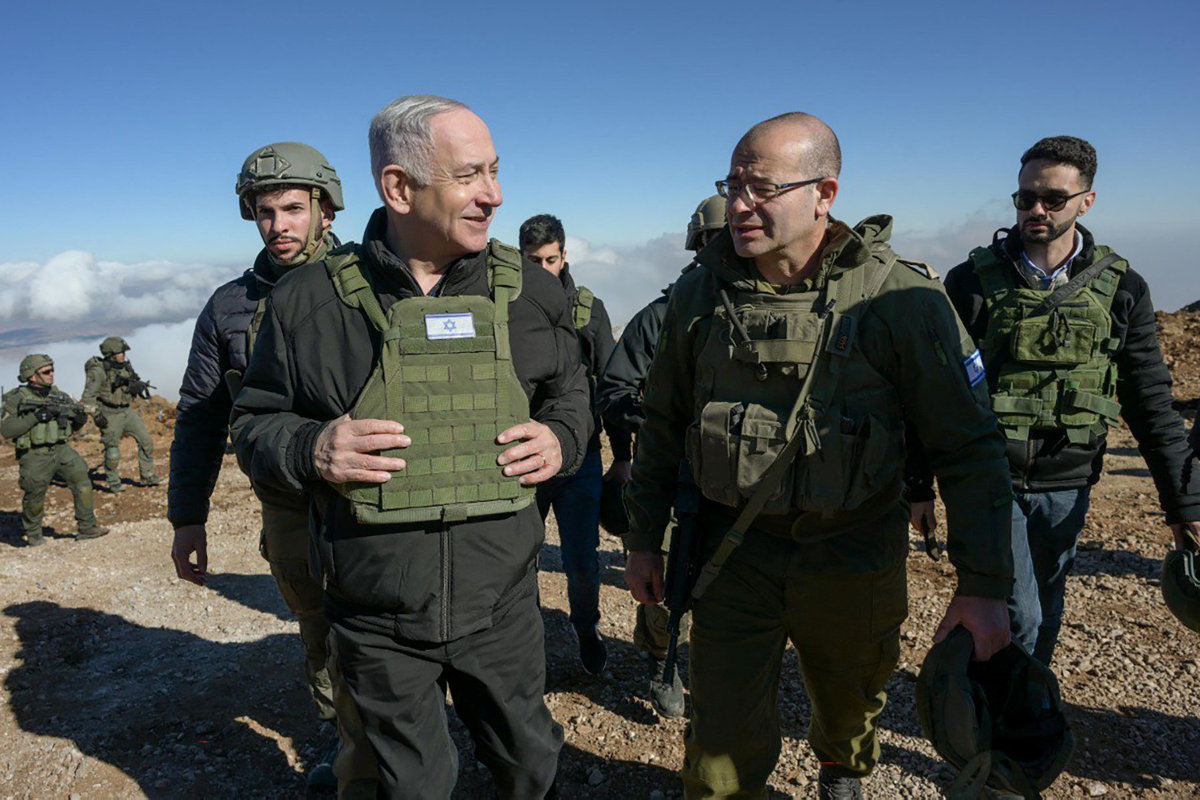
Since then, Israel’s presence in southern Syria has reportedly expanded beyond the former buffer zone into parts of Deraa and Suweida, while Netanyahu has demanded that forces of the new Syrian government remain out of those areas.
Israel has also sought to build closer ties with Syria’s Druze communities, with Israeli officials presenting themselves as protectors of the minority.
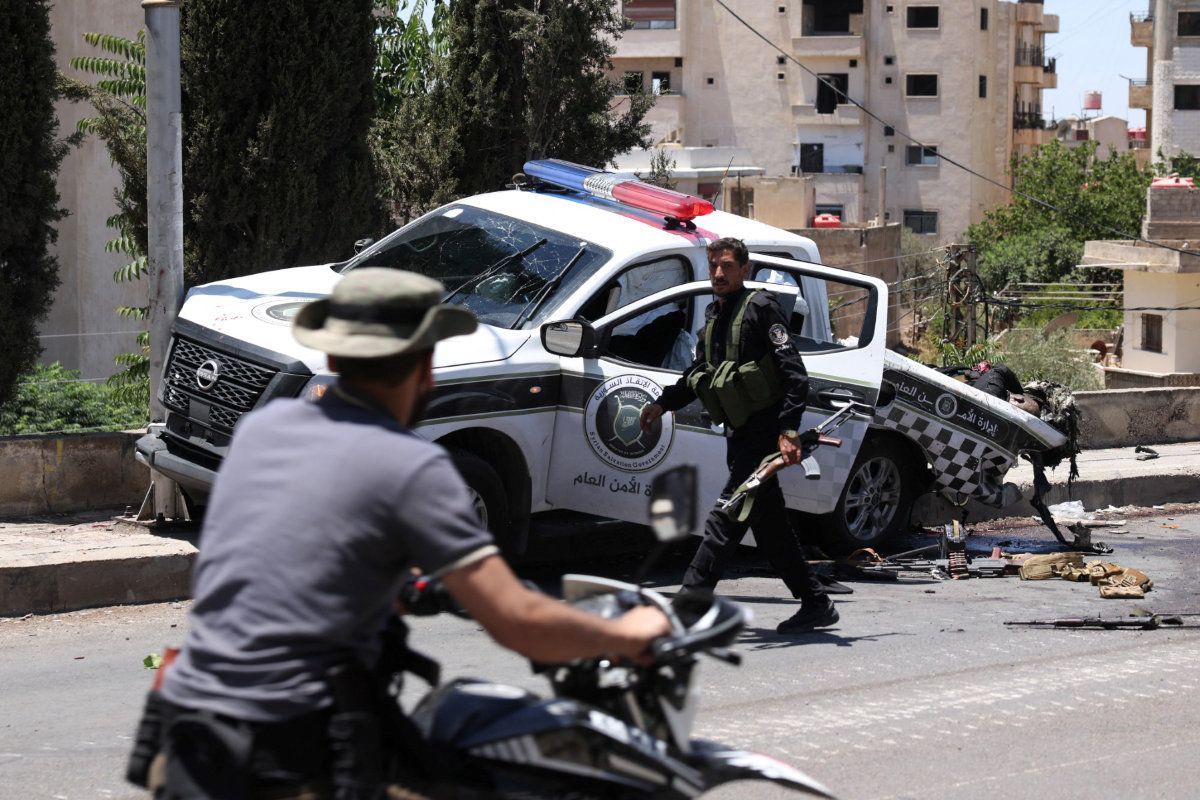
Israel’s approach became particularly clear in July 2025, when deadly clashes erupted between Druze and Bedouin tribes in Suweida. Israel responded by striking Syrian government targets in southern Syria and Damascus.
At the time, Israeli ministers criticized Syria’s interim President Ahmad Al-Sharaa, describing him as a terrorist and calling for his elimination.
By contrast, Assad presided over atrocities against Syrian civilians and remained a key link in Iran’s regional network, yet Israel had never pursued his removal as a strategic objective.
Abdul Ghany says Damascus can reduce the risk of confrontation between the two countries but cannot guarantee that Israel will accept Syrian military reconstruction or restored sovereignty as legitimate.
“The most credible measures would be recommitment to the 1974 Disengagement Agreement, full UN Disengagement Observer Force access in the separation and limited-force zones, effective prevention of non-state armed activity near the Golan, and a reliable deconfliction channel,” he said.
“The 1974 agreement remains the only established bilateral security framework and is supervised by UNDOF.”
Syria should therefore accept only reciprocal and verifiable security arrangements, he said, addressing concrete border security concerns without prejudicing Syria’s sovereignty or its legal position regarding the occupied Golan.
That legal position is also relevant to the broader question of how far Israel can seek to restrict Syria’s military capabilities.
Abdul Ghany argues that Israel has no general authority to determine Syria’s national military capabilities outside the limited-force arrangements established by the 1974 agreement.
The UN Charter prohibits the use of force, while Article 51 recognizes self-defense in response to an armed attack, subject to necessity and proportionality. UN Security Council Resolution 497, meanwhile, declares Israel’s purported annexation of the Golan null and void.
Abdul Ghany sees Israel’s current approach as amounting to a practical capability-denial policy rather than a formally declared ceiling on Syria’s military power.
Its strikes, he argues, signal that Israel may seek to prevent Syria from restoring assets, particularly airbases, air defense systems or foreign-supported military infrastructure that could affect Israel’s operational advantage.
But Abdul Ghany warns that Israel’s effort to block Turkiye’s role could turn Syria into an arena of Israeli-Turkish competition. It could also weaken the institutional reconstruction needed to stabilize the country.
For Damascus, the challenge is to find ways of reducing the possibility of confrontation with Israel without accepting a permanent ceiling on Syria’s military capabilities or surrendering its broader claims to sovereignty.
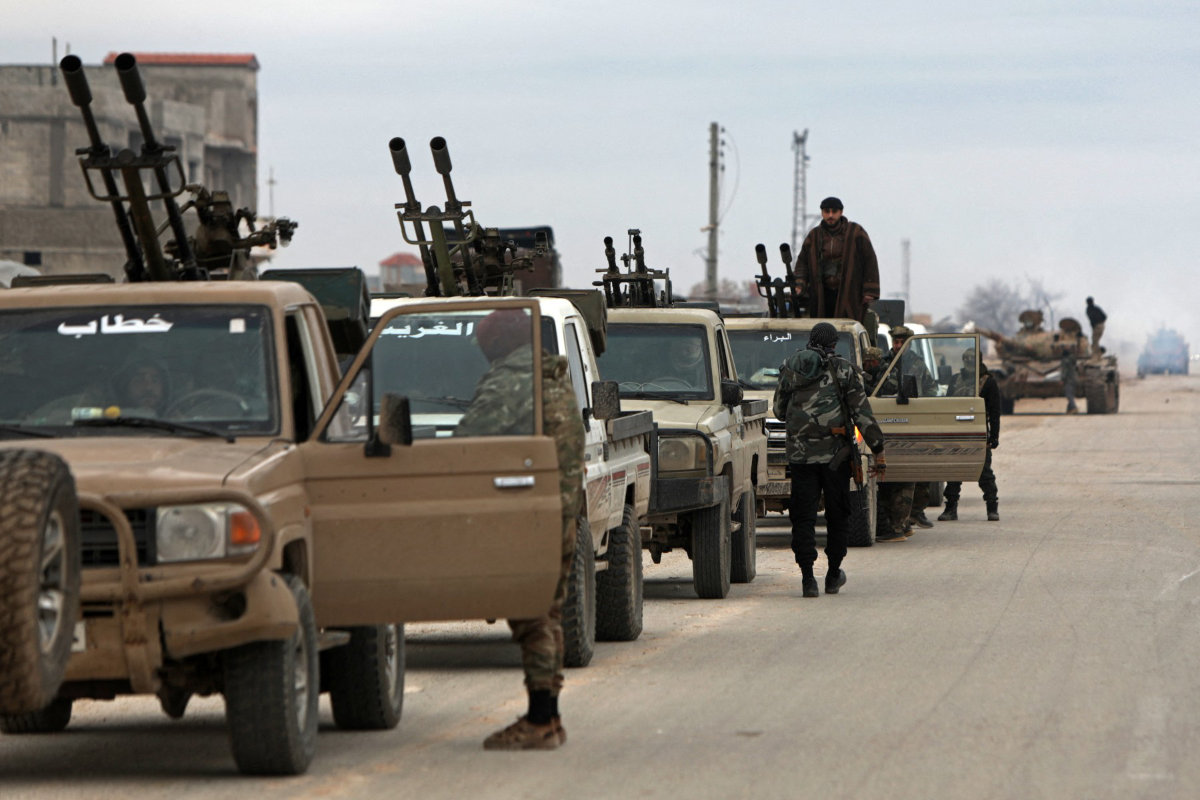
For Israel, the question is whether preventing potential threats will increasingly mean preventing Syria from rebuilding itself as a functioning military and political state.
That tension has already made southern Syria a contested space. Israel has expanded its military presence, demanded restrictions on where Syrian government forces can deploy and acted against the rebuilding of military infrastructure.
At the same time, Turkiye’s growing relationship has created another potential point of confrontation.
Direct Israeli-Syrian talks on a security agreement remain deadlocked. Israel continues to maintain positions in areas seized after Assad’s fall, while Turkiye remains determined to expand its role in Syria.
The question now is whether those competing interests can be managed through security arrangements and deconfliction, or whether Syria will become another arena in which Israel and Turkiye compete.