- Efforts to remove debris and retrieve bodies still severely constrained by Israeli restrictions on access and use of heavy machinery, says UN spokesperson Stephane Dujarric
- Plight of civilians continues to worsen as humanitarian agencies race to provide adequate shelter ahead of cold season, essential supplies and materials to control rodent infestations
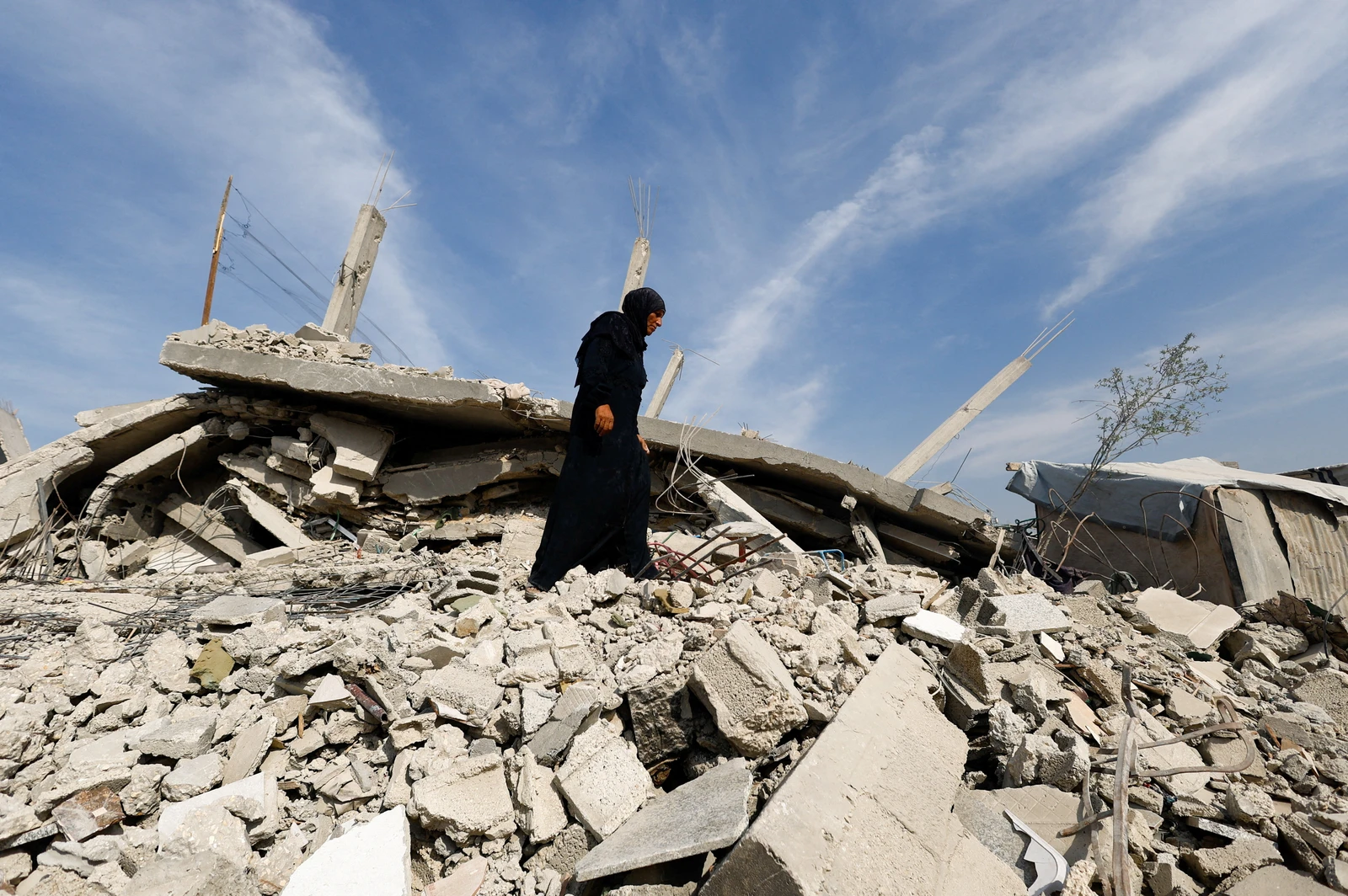
NEW YORK CITY: The bodies of 50 people, including 19 children, killed by the war in Gaza have finally been laid to rest after they were recovered from under rubble in recent days, UN spokesperson Stephane Dujarric said on Thursday.
Efforts to remove debris and retrieve bodies remain severely constrained across the territory by Israeli restrictions on the entry of heavy machinery, spare parts, lubricants and other critical supplies, Dujarric told reporters, as well as restrictions on access to vast areas.
The recovery of bodies came as the UN agency that coordinates humanitarian efforts, OCHA, said it continues to receive reports of Palestinian civilians, including children, who have been killed, injured or otherwise harmed by Israeli air strikes, shelling and gunfire. Dujarric attributed the toll in part to the overcrowded conditions in Gaza.
He reiterated UN calls for the protection of civilians and civilian infrastructure, stressing that they “should never be targeted or used for military purposes.”
Compounding the crisis, humanitarian partners working to provide protection from the elements reported on Thursday that 94 percent of Gaza’s 2.1 million residents require shelter and basic household assistance, and more than four out of five of families face critical or catastrophic living conditions.
Dujarric said lack of fuel, energy supplies and essential household items was affecting the ability of residents to sleep, cook, wash, store food and water, maintain adequate lighting, and cope with extremes of heat and cold.
OCHA estimates nearly two-thirds of families are living in tents or makeshift shelters designed only for short-term use, which deteriorate rapidly in harsh weather.
More than 70 percent of families experienced flooding last winter, and humanitarian partners are racing to secure adequate shelter ahead of the cold and rainy season, Dujarric said. However, ongoing restrictions on the entry of materials and equipment to Gaza, combined with aid-funding shortfalls, have kept the level of the humanitarian response far below what is needed.
Partners involved in providing shelter estimate $562 million is required for the emergency response, including $165 million to address the most acute cases. Just over a quarter of that amount has been secured so far, Dujarric said.
Separately, the UN Development Programme said this week that since May it has been expanding, with the support of humanitarian partners, pest-control activities to more than 3,000 displacement sites, markets and hospitals across Gaza.
Humanitarians report that sustained access to the supplies required for the control of rats and other rodents remains critical, along with the heavy machinery, lubricants and other equipment needed to remove trash amid a continuing vermin infestation, Dujarric added.