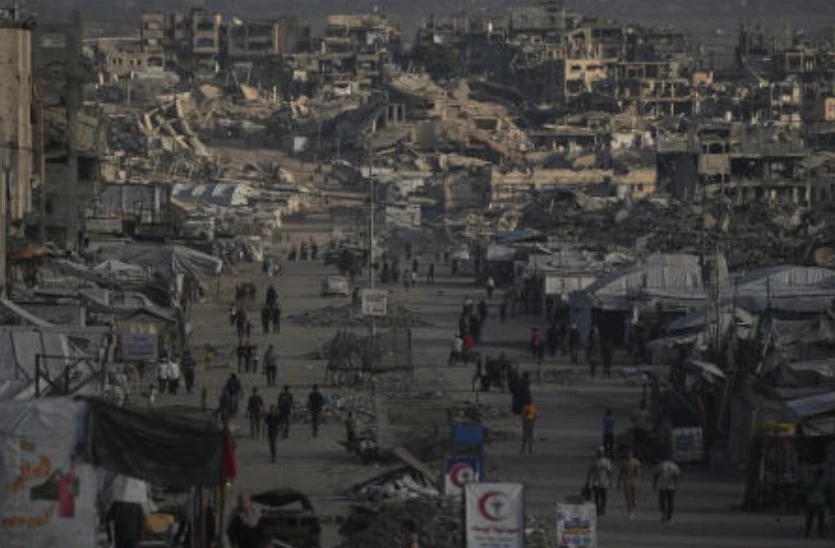
- UN food agency halves emergency aid in Syria amid funding shortfall
- 13.3m Syrians food insecure, including 7.1m facing acute food insecurity, WFP says
LONDON: Hunger is worsening in the Syrian Arab Republic, where more than half the population cannot reliably obtain enough food, the World Food Programme warned on Sunday as funding shortages force the UN agency to reduce aid.
Of Syria’s estimated 24.4 million people, 13.3 million are food insecure, including 7.1 million facing acute food insecurity, the WFP said.
The agency described the country as being at a “critical turning point,” warning that declining humanitarian support could deepen hardship during its fragile transition.
Funding shortfalls have forced the WFP to halve its food-assistance coverage to 650,000 people in seven governorates, from 1.3 million people in 14 governorates, the agency said.
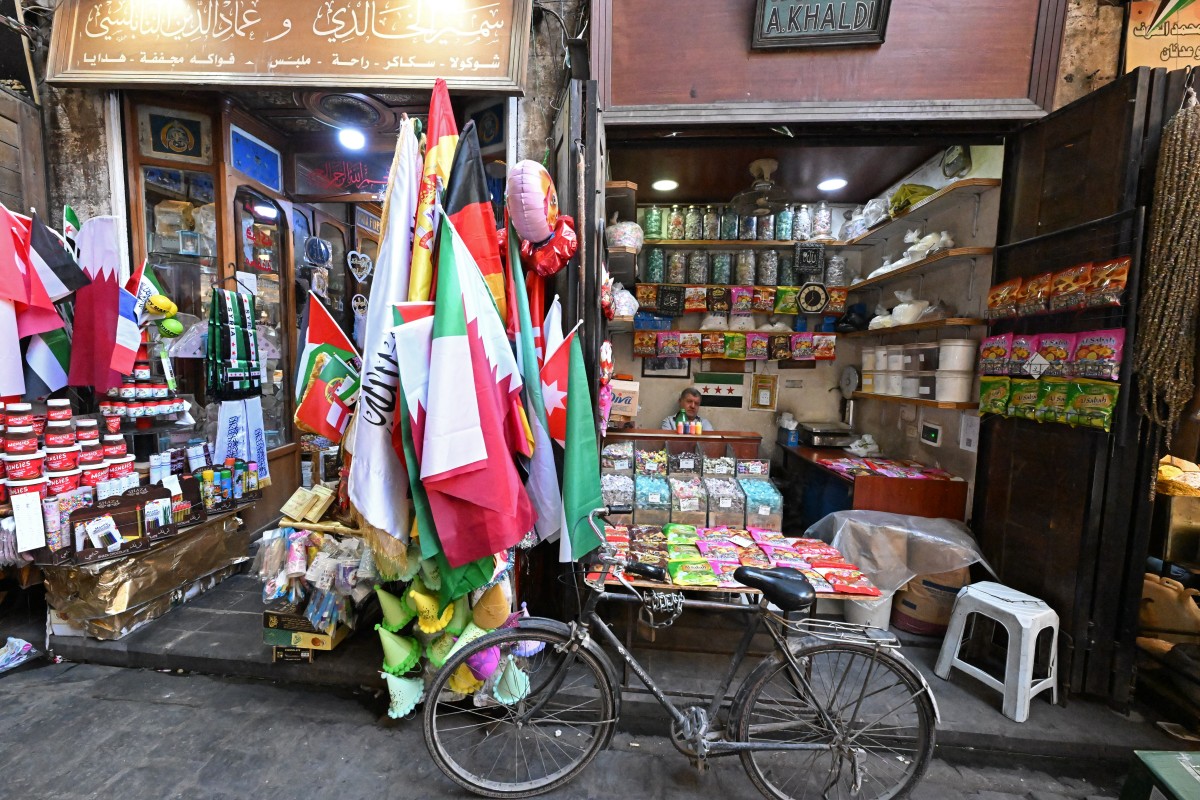
It added that the reduction in emergency assistance was placing added pressure on families and local markets, worsening community tensions and weakening social cohesion.
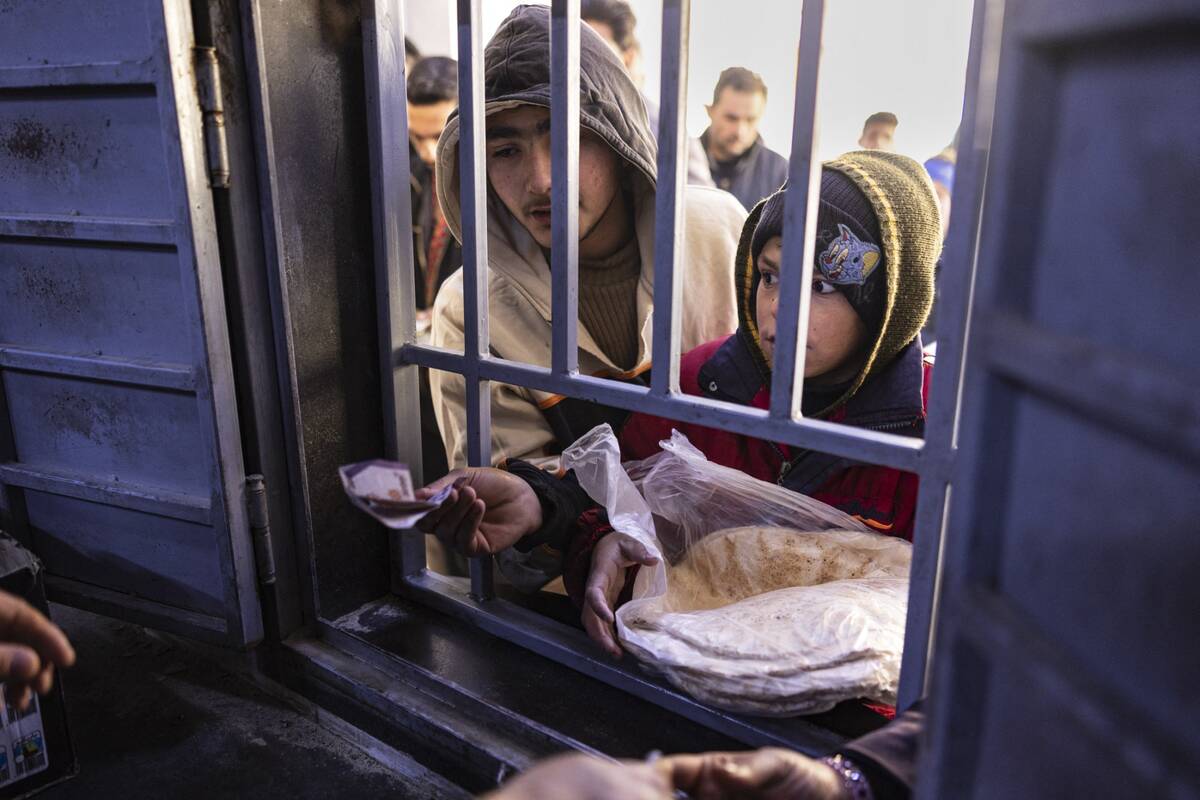
The cuts come as bread prices have risen more than 18 percent after the withdrawal of subsidies, according to the WFP.
Bread is a dietary staple in Syria, particularly for low-income households, making it a focal point of the country’s widening affordability crisis.
“Bread and transportation are available now, but they’ve become very expensive,” said Salma Saleh, a graphic designer in Damascus. “Anyone with a family simply can’t make ends meet on a single income.”
Saleh told Arab News: “Most people can no longer afford fruit. And, of course, forget about meat and chicken.”
She said even basic staples and grains had become unaffordable as aid from humanitarian organizations diminished.
“I think today anyone without a high income genuinely can’t afford to eat,” Saleh said. “(About) $1,000 is barely enough to feed a family of six.”
Years of war, economic collapse and repeated shocks have left Syrians increasingly dependent on aid and exposed to rising food costs.
At least 90 percent of people in Syria live in poverty, according to UN figures. More than 80 percent of households cannot consistently obtain enough diverse food, an April study by the Food and Agriculture Organization and the WFP found.
Only 18 percent of the population is food secure, according to UN data.
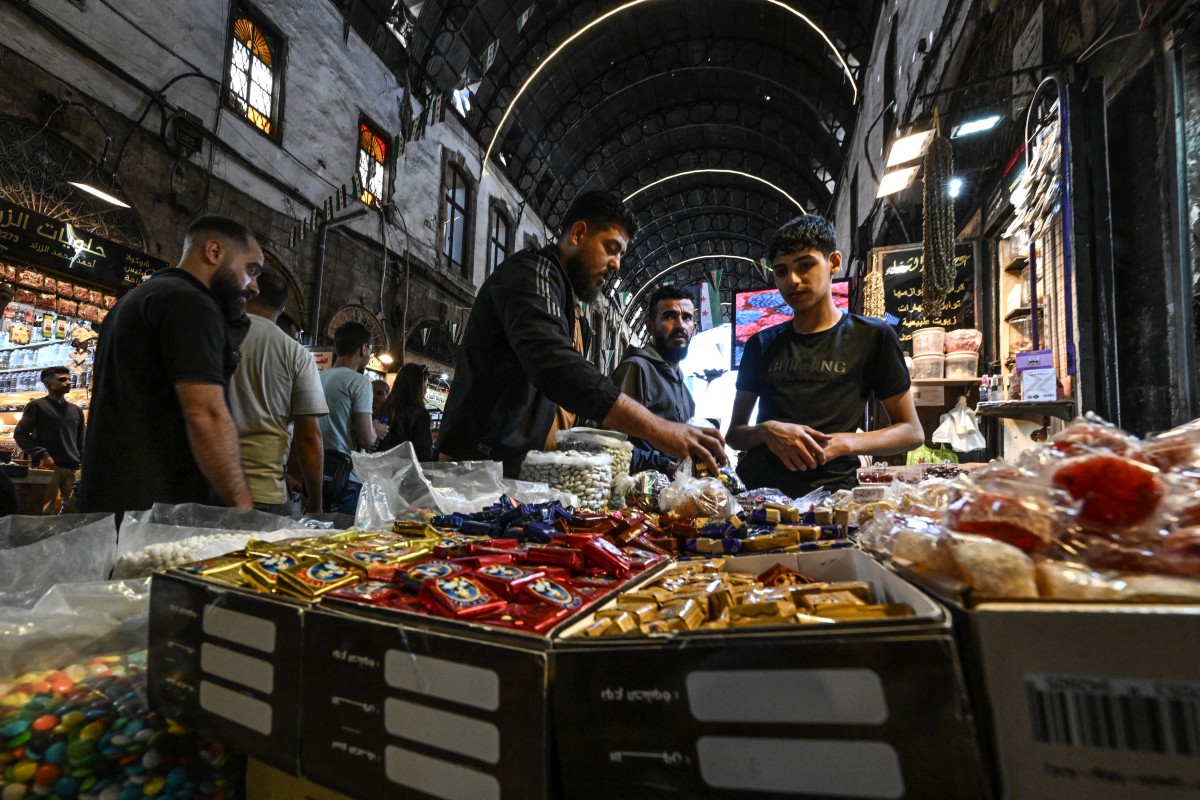
The government has also reduced the amount of subsidized bread available to consumers.
In June, the Ministry of Economy and Industry lowered the number of loaves in a standard subsidized bundle to eight from 10, while keeping its total price unchanged. The decision took effect on June 20.
It followed a May 9 measure that cut the bundle’s weight to 1,050 grams from 1,200 grams, also without changing the price or number of loaves.
The ministry said the measures were needed to manage rising production costs, reduce pressure on bakeries and preserve consumer access without raising the official price.
The June move was the third reduction in the subsidized bundle in about 16 months following the fall of longtime President Bashar Assad. Its weight was reduced to 1,200 grams in February 2025 and again in May.
The official price remains 40 new Syrian pounds under Syria’s redenominated currency. But with households receiving less bread for the same amount, the measures effectively reduce the value of the subsidy.
Residents of Damascus and nearby suburbs say the official price is not always available in practice. Some bakeries sell a bundle for as much as 70 new Syrian pounds, they said.
Umm Khaled, 56, who lives with her two adult children in Sayyida Zaynab, south of Damascus, said even low-cost foods had become difficult to buy.
“Life has become unbearable,” she said. “Everything is expensive; I’m unable to make ends meet.”
She said she could not remember the last time she bought a kilogram of chicken wings, generally among the least expensive cuts. Her washing machine is broken, she added, but she cannot afford repairs.
“Every time we think things have eased up, they get difficult again,” she said.
In her neighborhood, a kilogram of potatoes costs 70 new Syrian pounds, almost the same price she pays for a bundle of bread. With eight loaves per bundle, her family spends about 140 new Syrian pounds, or 14,000 old pounds, on bread each day, she said.
Bulgur, once a low-cost staple, sells for at least 130 new Syrian pounds per kilogram, while lower-grade rice costs about 120 pounds. A 5-liter container of drinking water costs 50 pounds.
Monthly wages in Damascus typically range from 36,500 to 40,000 new Syrian pounds, or roughly $300 to $500, according to residents. Many people, however, earn less than 20,000 new Syrian pounds a month.
Where Umm Khaled lives, most people barely make 3,000 to 17,000 new Syrian pounds per month — if not less.
“I’ve been crying since morning,” Khaled said. “How did we end up like this?”
The pressure could worsen after an increase in customs duties, Syria TV reported on Sunday. Consumers told the outlet they expect sugar and other essential goods to become more expensive, with some saying prices are rising almost daily.
The WFP said it remained one of Syria’s largest humanitarian organizations during the first half of 2026, providing food, cash and nutrition assistance nationwide. It said it reached an average of 7.4 million people during that period, although its emergency food-assistance program was reduced in May because of funding shortages.
The agency warned in May that millions remain vulnerable despite signs of stabilization in parts of the country. Its largest donor, the US, has sharply reduced foreign aid under President Donald Trump, while other governments have also cut or announced reductions in development and humanitarian assistance.