- Damascus has regained territory, oil fields and state institutions as Kurdish forces enter the Syrian army
- The bigger test is whether promised rights and representation survive Syria’s transition to centralized rule
LONDON: The Syrian Democratic Forces once stood at the heart of an experiment that transformed the balance of power in Syria.
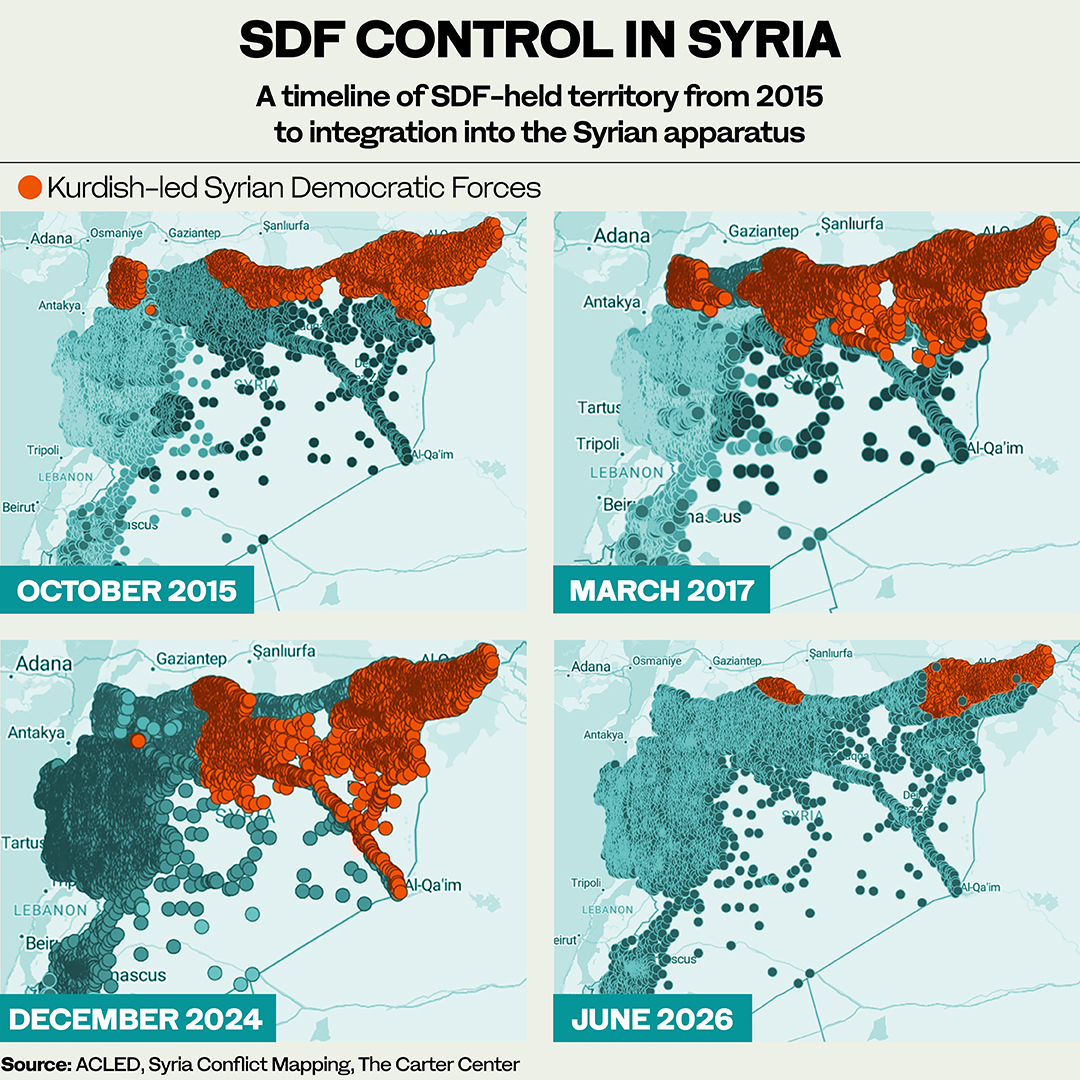
The Kurdish-led force, backed by the US, fought Daesh and governed a de facto autonomous administration across much of northeastern Syria. At its height, it controlled roughly a quarter of the country, including major oil fields and border crossings.
On Tuesday, that era formally ended.
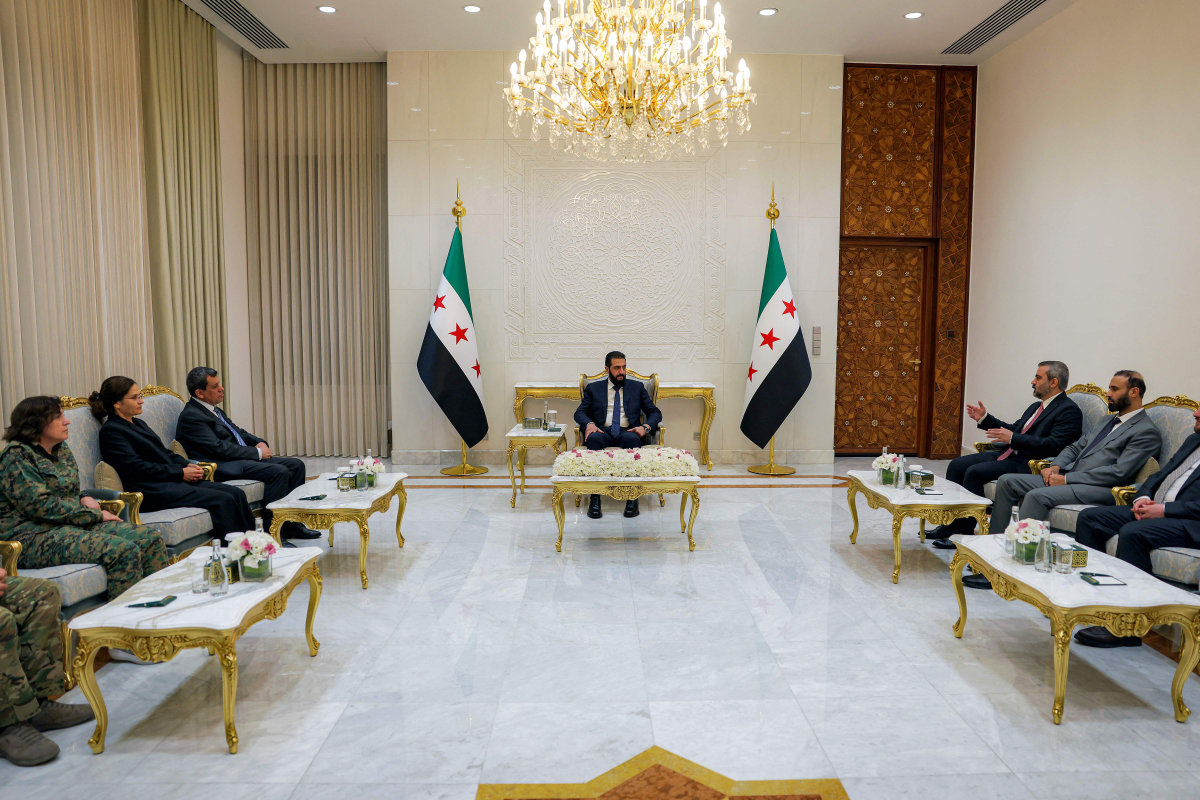
SDF commander Mazloum Abdi announced the force’s dissolution in Damascus, saying its fighters had completed their integration into the Syrian army and that the SDF would no longer operate independently.
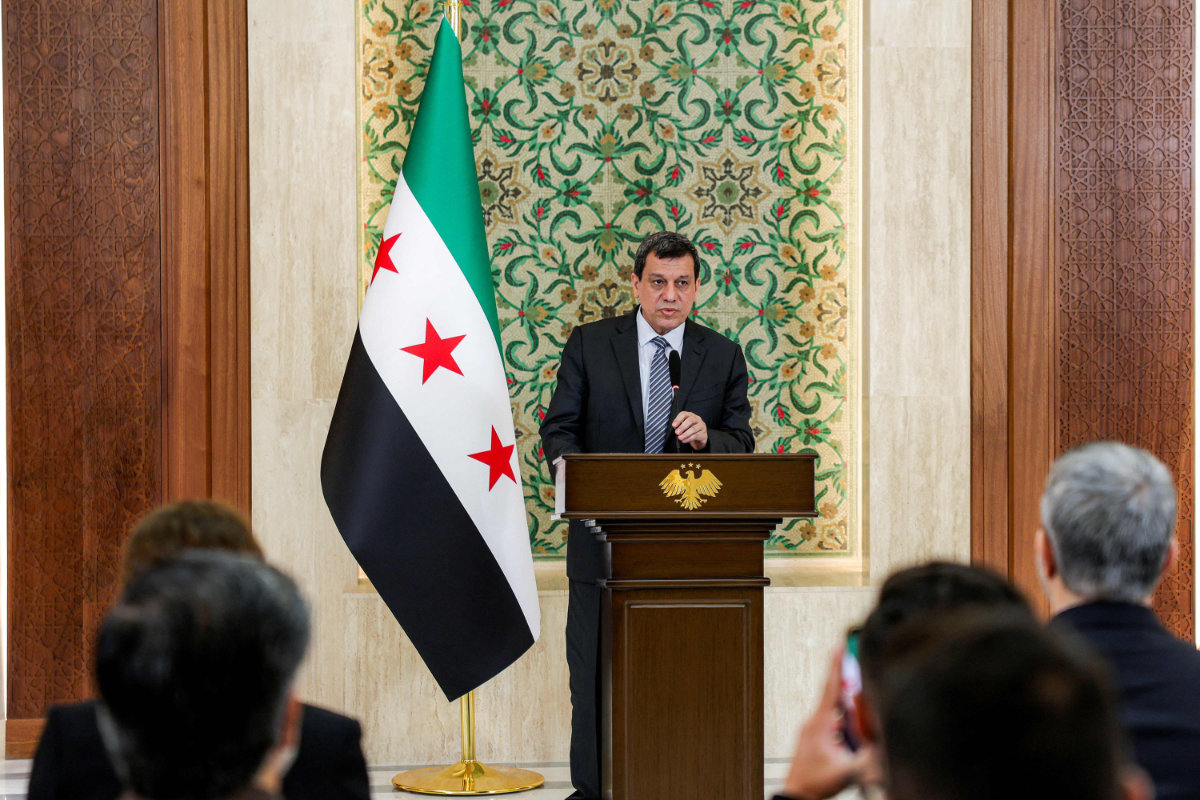
The move is a major victory for President Ahmad Al-Sharaa, whose government has sought to restore central authority after almost 14 years of war.
Damascus has gained most territory previously held by the SDF, as well as key oil and gas infrastructure, border crossings, Qamishli airport and the institutions of the autonomous administration.
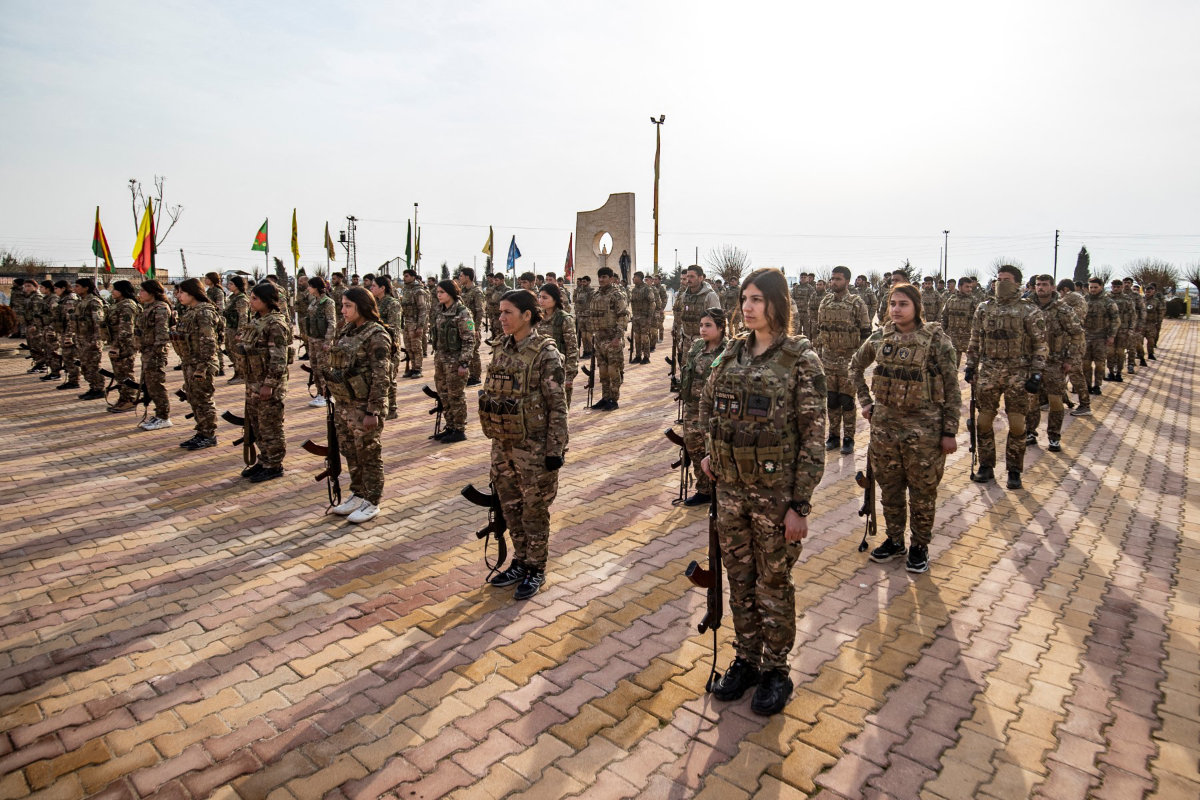
Thousands of former SDF fighters are joining the armed forces, while civilian employees are moving into state ministries.
But what have the Kurds gained in return?
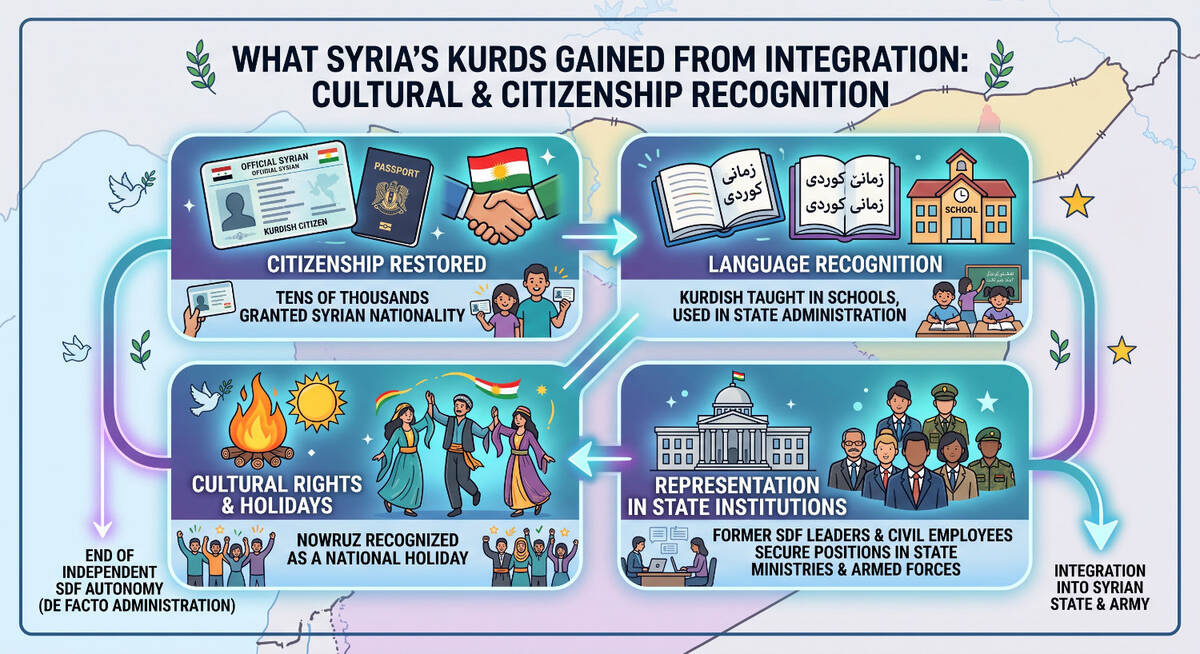
Kurdish citizenship rights have been restored to tens of thousands previously stripped of them, Kurdish has been recognized by the new authorities, Nowruz has become a national holiday, and Al-Sharaa has promised education in Kurdish. Former SDF commanders have also secured positions within the state.
Firas Maksad, managing director for the Middle East and North Africa practice at Eurasia Group, described the settlement as “a negotiated retreat for the Kurds, with some face-saving provisions attached.”
“On paper the Kurds scored some real gains, including a recognized national language, Kurdish civil servants, and reportedly senior posts in Damascus for SDF leaders,” he told Arab News.
Yet Kurdish leaders say their struggle is not over. Abdi has called for Kurdish rights to be secured in Syria’s constitution — shifting the debate from military autonomy to whether Damascus will accept durable protections for Kurdish identity within a unified state.
For Bassam Barabandi, ambassador and consultant, the changes represent a historic break with the past.
“I think the Kurds have gained the maximum they ever thought about,” he told Arab News. “They have gained belonging to a state that respects them and respects their identity, history and culture — the state they belong to.”
For decades, that belonging was contested. Many Kurds were denied citizenship, while Kurdish language and cultural expression were heavily restricted.
“Today, the Kurds are recognized,” Barabandi said. “They have gained back their rights: as humans, number one; as Syrians, number two; as Kurds, number three.”
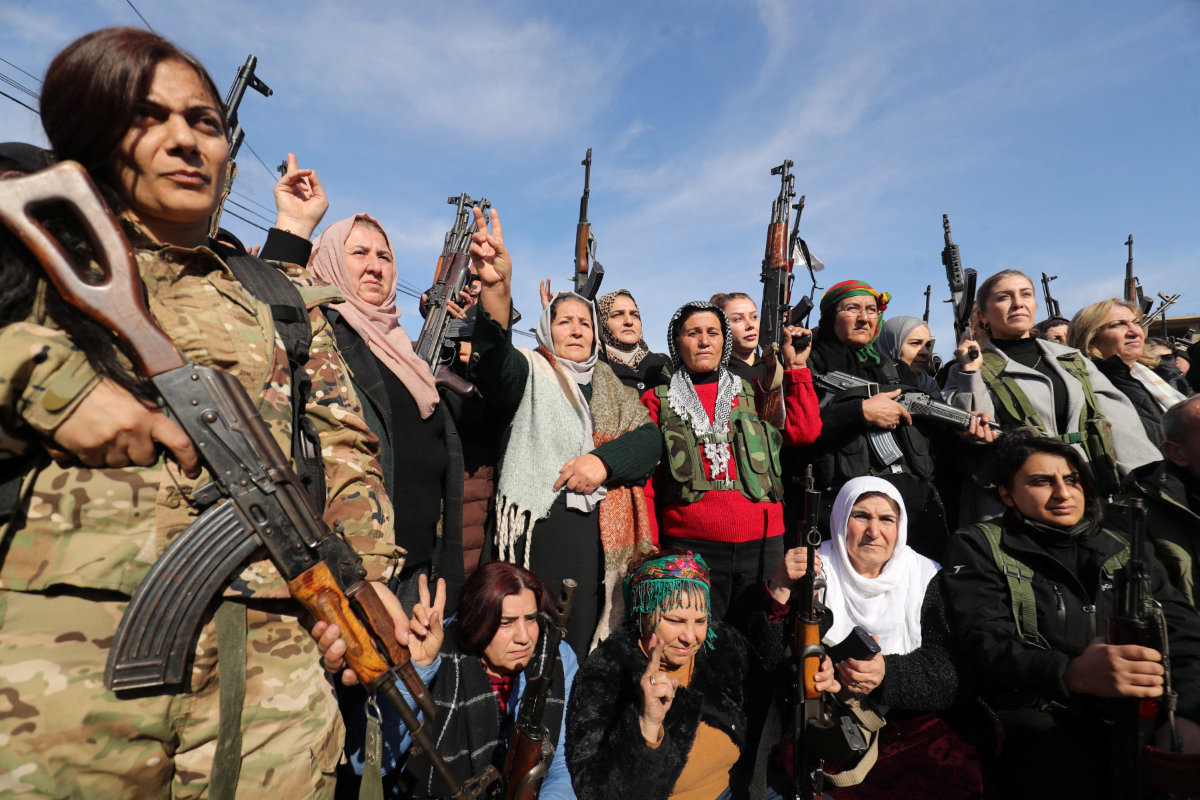
But those gains have come alongside a profound loss of autonomy.
For Aron Lund, a senior Middle East analyst at the Swedish Defence Research Agency, the distinction between the Kurdish population and the SDF is important.
“Syrian Kurds have gained some meaningful concessions, including on language and cultural rights, after decades of state-enforced anti-Kurdish racism by the Baathist government,” he told Arab News. “If properly implemented, these things will matter a lot to a lot of people.”
The SDF has also retained some influence.
“As of now, you have former SDF leaders in positions of influence, even if it’s not close to what they had hoped for going into these talks,” Lund said.
“You have SDF members employed in the armed forces, and you see a continued political and ideological influence across their areas in the northeast.”
Joshua Landis, director of the University of Oklahoma’s Center for Middle East Studies Program, said the agreement preserves a degree of local control despite the SDF’s integration into the state.
“The SDF gave up its independent army structure; instead, it has been folded into the Syrian Ministry of Defense,” he told Arab News.
“However, the deal ensures localized deployment: former SDF units are being organized into three brigades deployed locally in the northeast (Hasakah/Qamishli). A fourth dedicated brigade is deployed in Kobane under the Aleppo provincial division.
“While Syrian government troops remain positioned on the outskirts, all Kurdish villages strictly remain under local security control.”
Lund also sees a broader change in attitudes toward Kurdish identity.
“Ultimately, though, I think there’s much less Arab resistance to public displays of Kurdish identity now than there was a couple of decades ago,” he said.
“The Baath Party was singularly attached to anti-Kurdish discrimination for historical and ideological reasons. Al-Sharaa’s followers do not carry the same legacy … That’s why you now see the state news agency run news in Kurdish, it’s just not a big deal to them.”
For Kurdish political actors, however, cultural recognition is meaningful only if it becomes institutionalized.
Mutlu Civiroglu, a journalist and analyst specializing in Kurdish affairs, says many Kurdish concerns center on what happens when political agreements have to become law.
“For Kurdish people in Syria, many believe that constitutional recognition is the only reliable way to secure their rights,” he told Arab News. “There is a consistent view that Kurds should be formally acknowledged as one of the main components of the country.”
Civiroglu said the name of the state remains significant.
“Many also point out that the current name, Syrian Arab Republic, still reflects the old political order. A more inclusive name, such as Republic of Syria, would better represent the country’s full ethnic and religious makeup.”
Recognizing Kurdish identity and granting Kurdish Kurmanji official-language status would be essential, he said, alongside investment in Kurdish-majority areas, Kurdish-language education and public broadcasting.
“Without constitutional recognition of Kurdish identity and language, many Kurds believe Syria will struggle to move forward.”
Civiroglu said constitutional recognition of Kurdish as an official language will be the clearest near-term test.
“What Kurds have gained beyond symbolic steps is still unclear,” he said. “The view is that only constitutional status, not temporary decrees, would guarantee Kurdish-language education and administrative use.”
The SDF’s dissolution also marks the end of one of Washington’s most consequential partnerships in the Middle East.
Formed in 2015 with US support, the force became the principal ground partner in the campaign against Daesh in Syria. Kurdish and Arab fighters fought alongside the US-led coalition and helped destroy the group’s territorial entity.
After the fall of Bashar Assad in December 2024, Washington’s relationship with Damascus changed dramatically. The US began building closer ties with Al-Sharaa’s government as the SDF’s position weakened.
Barabandi sees the shift as strategic rather than an abandonment of the Kurds.
“The US role with this administration is very clear: they believe in a central government,” he said.
“They believe in strong governments that can help avoid instability and fight non-state actors like Daesh, like the PKK (Kurdistan Workers’ Party), or any other separatist movement. So there is a shift, or a new vision, in US policy.”
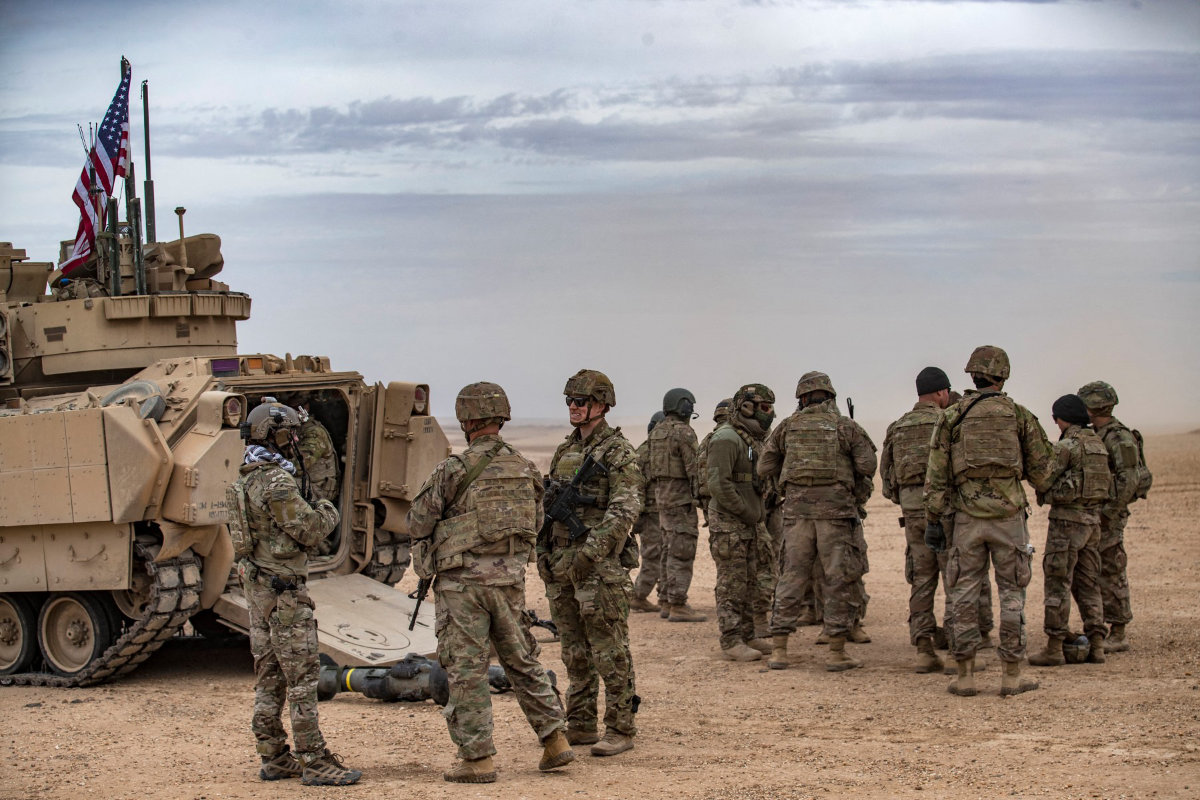
Maksad described the change in US policy as a decisive strategic shift.
“It’s the clearest marker yet that Washington’s Syria policy has shifted from backing an autonomous Kurdish force to backing a unified Syrian state under Al-Sharaa, full stop,” he said.
“The US spent a decade arming and legitimizing the SDF as its primary partner against Daesh — and now it’s cheering the moment that partner folds itself into the Syrian army.”
The shift leaves the Kurds with less external leverage while changing the US counterterrorism model. Washington relied on the SDF for intelligence, operations and detention-facility security. Increasingly, the Syrian state will be its principal partner.
Lund believes that may prove workable.
“President Trump has built a surprisingly good relationship with President Al-Sharaa and his government, despite its origin in an anti-American movement,” he said. “For the moment, both sides seem determined to continue collaborating.”
He added: “As the SDF fades, the Syrian state will increasingly be the only thing on offer in terms of counterterrorism and other types of bilateral collaboration. That makes it more likely that the US will want to sustain the relationship post-Trump.”
The SDF’s dissolution is therefore both an endpoint and a beginning.
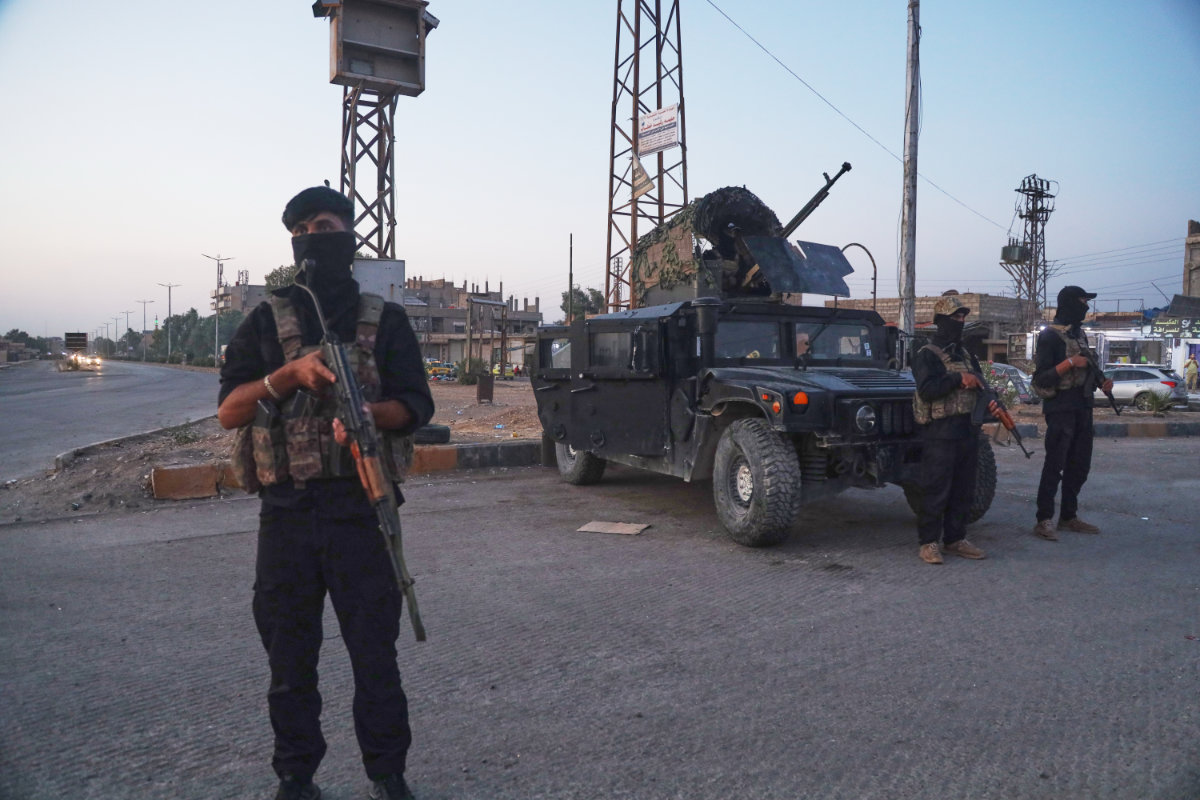
For Damascus, it represents a major consolidation of sovereignty. A powerful armed organization has surrendered its independent command, territory and autonomous institutions, bringing most of northeastern Syria under central authority.
For the Kurds, the outcome is more complicated.
They have gained recognition and a place inside the emerging Syrian state. Former fighters and officials retain influence, Kurdish identity is more openly acknowledged than during the Assad era, and rights once denied outright have been formally recognized.
But they have also surrendered the military and territorial leverage that enabled them to negotiate from strength.
Civiroglu says that leaves the community with a difficult task.
“Despite Kurdish forces having suffered heavy losses in the fight against Daesh and having built political and administrative structures on the ground, many Kurds believe that concrete political gains remain limited,” he said.
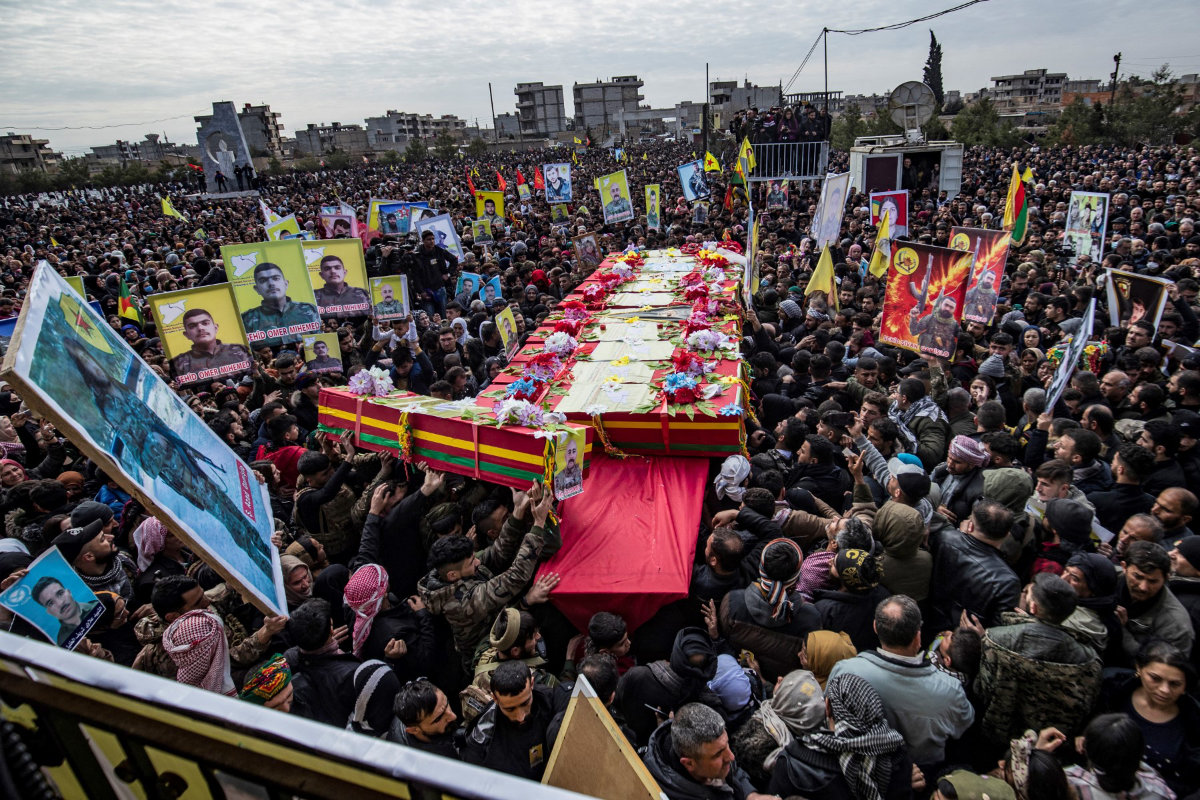
“In discussions across Rojava, Kurdish people often express disappointment with the current outcome.”
The disagreement is not necessarily over whether integration should happen. It is over what integration means.
For Damascus, it means one army, one government and one state. For Kurdish leaders, it must also mean that becoming part of that state does not require surrendering the identity and rights for which they spent decades fighting.
Barabandi believes the model can work.
“I think there is a guarantee: Turkish, Iraqi and American guarantees, plus the Syrian government’s guarantees, that this integration will go smoothly, will be fair, and will represent the Kurds as a percentage of the population,” he said.
Maksad, however, said the durability of the settlement will depend on how it is implemented.
“The agreement signals important progress, but it has no clear implementation timeline and no monitoring mechanism to make sure both sides comply,” he said.
“The extent and manner of its implementation may very much depend on the shifting balance of power, both, within Syria and beyond.”
The Kurdish-led force has disappeared. The question now is whether the rights and representation promised in its place become strong enough that the Kurds no longer need an autonomous army to defend them.
If they do, integration could become a foundation of a more inclusive Syrian state. If they do not, the disappearance of the SDF may prove not the end of the Kurdish question, but the beginning of its next chapter.