- Director Ridley Scott says dystopian feature imagines a future that’s ‘around the corner’
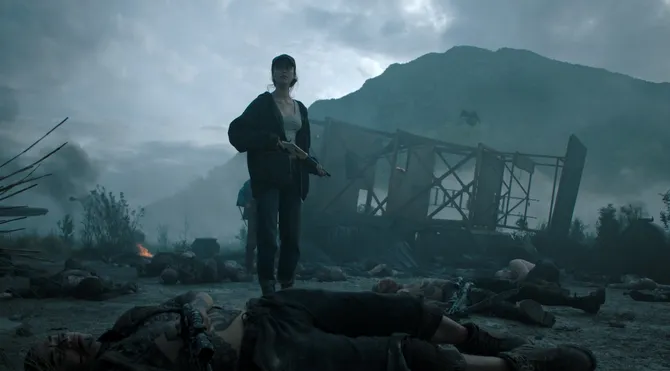
DUBAI: British filmmaker Ridley Scott believes the post-apocalyptic world in his latest film “The Dog Stars” may be closer to reality than audiences would like to think.
“It’s around the corner, isn’t it, really,” Scott said during a virtual press conference on Aug. 21 ahead of the film’s release last week.
The director was joined by stars Jacob Elordi, Josh Brolin and Guy Pearce, who discussed the making of the film, its unsettling themes and the unpredictable creative process behind adapting Peter Heller’s melancholic post-apocalyptic novel.

For Scott, the story’s depiction of a world devastated by a pandemic and societal collapse resonated in a post-COVID era.
“People don’t watch the news, and I’m a news hound, so I watch the global news twice a day, and a lot of this is happening already and we just put our blinkers on, on every level — on climate change, but worse chaos in certain territories around the world, I’m not going to mention where they are, but there’s chaos, fundamentally,” he said.
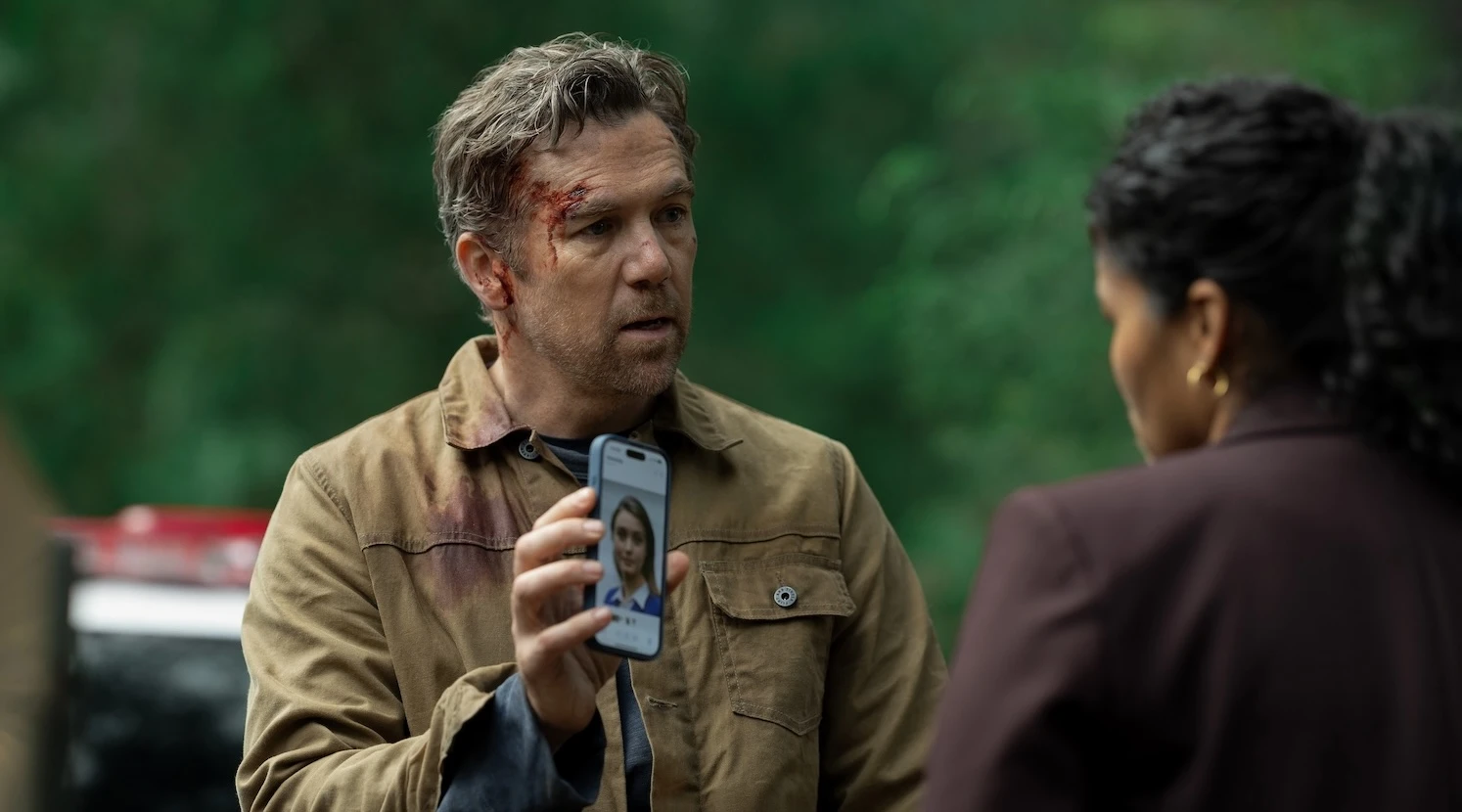
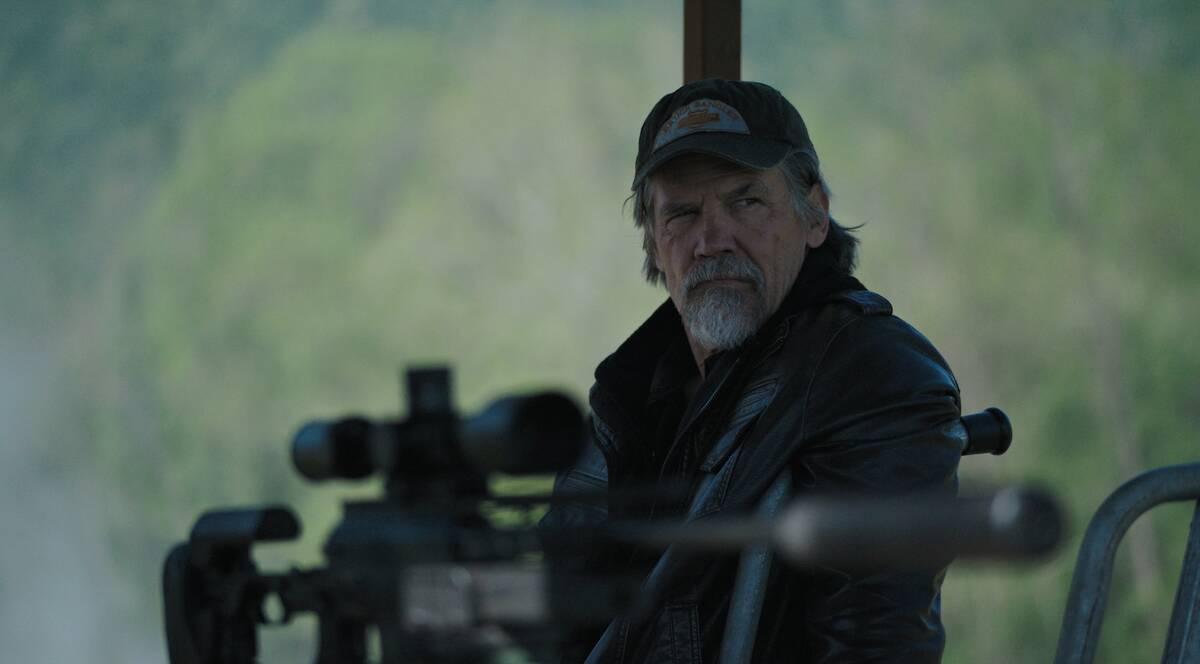
“The Dog Stars” follows Hig (Elordi) a survivor in an isolated, dangerous world alongside his neighbor Bangley (Brolin) and his dog Jasper. Pearce plays Pops, a protective father whose daughter Cima (Margaret Qualley) becomes connected to Hig.
Scott said he did not want the film to become a straightforward commentary on contemporary events, instead using its bleak setting to explore the human condition.
“I didn’t want to make it into a documentary. It does need to entertain, but should also challenge, you. You can’t just sit there grinning at some stupid movie that is great when it starts speaking to you,” he said. “And I think the film speaks to you, but it’s trying to fit on top of that the human behavior, which is the empathy, the sympathy, and the humor.”
That humor is an important part of the film’s dynamic, particularly in the relationship between Hig and Bangley. Brolin described their chemistry as something that developed organically, while Scott likened the pair to the mismatched protagonists of “The Odd Couple.”
“I like that reference,” Brolin said.
The actor explained that the relationship grew as the cast experimented on set.
“We had our own thing,” he said. “We started to really rely on each other, and I think that comes across.”
Scott said humor was necessary even amid the film’s darker subject matter.
“Unless you’re doing ‘Macbeth’, you have to always try and find a corner, an element of humor, providing it’s real,” he said.
That balance extends to the film’s emotional relationships. Pearce described Pops as a man who struggles to express affection but is driven by an instinct to protect his daughter but eventually recognizes Hig’s potential.
“I think deep down, he wants her to have a better future than they’re currently living,” Pearce said. Once Pops begins to trust Hig, he continued, “some of who he used to be comes back.”
The actors praised Scott’s unconventional approach to filmmaking. Brolin described the director’s set as initially chaotic, but ultimately creatively liberating.
“In the beginning, you’re like, ‘This is chaos! This is going to be horrible!’ And then it turns out that it’s the most nutritious feeling creatively,” Brolin said.
Scott explained that his approach has roots in his early documentary work. “I used to do documentaries with Don Pennebaker and Richard Leacock — they invented documentaries,” he said. “I just shape the box and make it natural.”
Elordi, making his first film with Scott, said the director’s energy was unlike anything he had experienced.
“Honestly, it’s like nothing I’ve seen before, really,” Elordi said. “He’s so wonderful to work with and so open to us as actors. He’s obviously such a visual filmmaker, but he gave us such freedom within the text to do what we wanted to do.”