DAMASCUS: The sound of the blast in Syria’s capital Damascus brought worried residents running, but rather than carnage they found a crew filming one of the country’s famed television drama series.
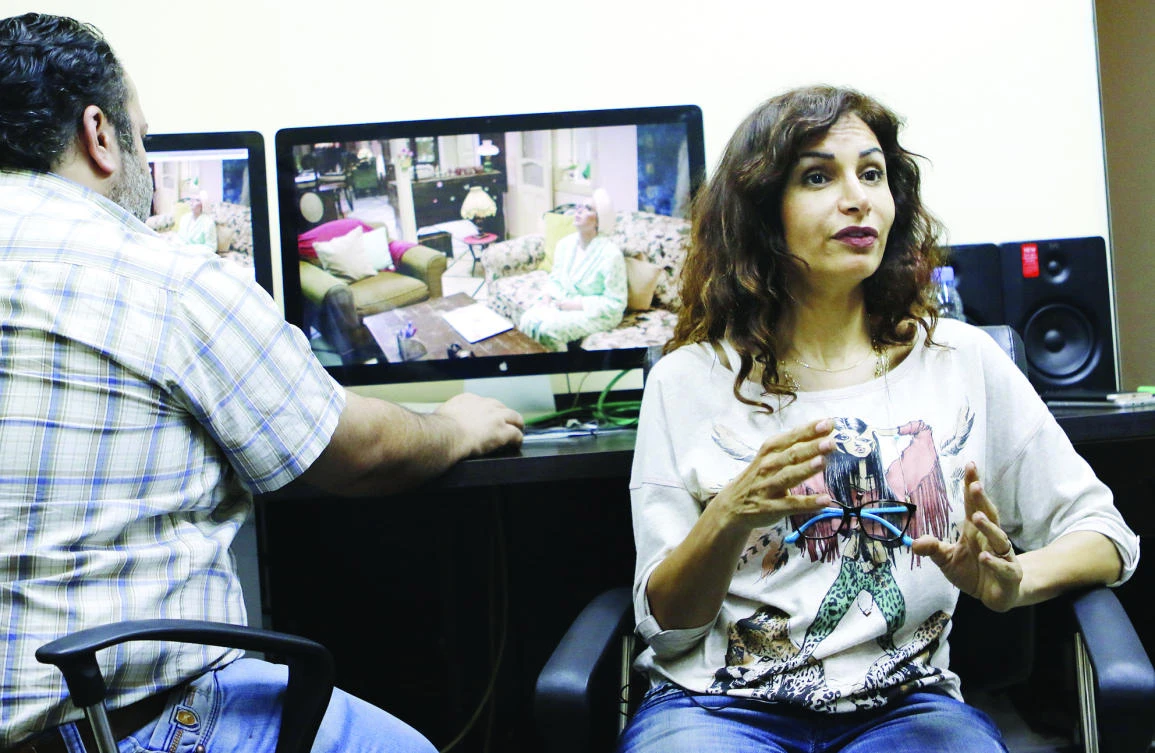
Moments before, director Rasha Sharbatgi had been wielding her loudhailer, calling for silence before counting down to the controlled explosion.
Onlookers arriving at the set near Arnus Square in central Damascus found a burning car and people lying on the ground.
One swore in anger when he discovered the blast that had startled him was a scene being shot for Sharbatgi’s latest series “Shoq,” named for its main character.
She is one of many Syrian artists who have decided to draw inspiration from their country’s bloody six-year conflict.
Her series is among the offerings on television during this year’s fasting season of Ramadan, a peak viewing period for many in the region who settle down to watch after eating their sunset meal.
“Lately the content of series has varied between love stories, comedy and historical dramas,” Sharbatgi told AFP.
“There has been little in the way of real-life drama because everyone is trying to escape from depicting the current reality and fresh wounds.”
“I promised that this year I would do something that focuses on the crisis in a direct manner.”
“Shoq” focuses on the issue of the kidnapped and missing, a painful and sometimes overlooked part of the Syrian conflict, which has killed more than 320,000 people since it began with anti-government protests in March 2011.
“It was very difficult to make,” Sharbatgi conceded.
“But not more difficult than living the reality.”
Director Samir Hussein decided to film his series “Fouda” or “Chaos” in the Al-Qasaa area near Damascus’s Jobar district, which remains divided between rebel and government control and is a key front line in the capital.
The fourth season of the “Tawq Al-Banat” or “Girls’ Necklaces” series was filmed in the village of Yaafur some 20-km west of Damascus.
“Here there are no sounds of shelling and no danger of explosions,” said lead actor Rachid Assaf, dressed in traditional Syrian clothes.
“People are fed up with stories about war,” he said.
“They want to enjoy themselves during Ramadan, not be reminded of tragedies and relive their pain.”
Moments before, director Rasha Sharbatgi had been wielding her loudhailer, calling for silence before counting down to the controlled explosion.
Onlookers arriving at the set near Arnus Square in central Damascus found a burning car and people lying on the ground.
One swore in anger when he discovered the blast that had startled him was a scene being shot for Sharbatgi’s latest series “Shoq,” named for its main character.
She is one of many Syrian artists who have decided to draw inspiration from their country’s bloody six-year conflict.
Her series is among the offerings on television during this year’s fasting season of Ramadan, a peak viewing period for many in the region who settle down to watch after eating their sunset meal.
“Lately the content of series has varied between love stories, comedy and historical dramas,” Sharbatgi told AFP.
“There has been little in the way of real-life drama because everyone is trying to escape from depicting the current reality and fresh wounds.”
“I promised that this year I would do something that focuses on the crisis in a direct manner.”
“Shoq” focuses on the issue of the kidnapped and missing, a painful and sometimes overlooked part of the Syrian conflict, which has killed more than 320,000 people since it began with anti-government protests in March 2011.
“It was very difficult to make,” Sharbatgi conceded.
“But not more difficult than living the reality.”
Director Samir Hussein decided to film his series “Fouda” or “Chaos” in the Al-Qasaa area near Damascus’s Jobar district, which remains divided between rebel and government control and is a key front line in the capital.
The fourth season of the “Tawq Al-Banat” or “Girls’ Necklaces” series was filmed in the village of Yaafur some 20-km west of Damascus.
“Here there are no sounds of shelling and no danger of explosions,” said lead actor Rachid Assaf, dressed in traditional Syrian clothes.
“People are fed up with stories about war,” he said.
“They want to enjoy themselves during Ramadan, not be reminded of tragedies and relive their pain.”