RIYADH: Two elderly Saudi men died of the Middle East Respiratory Syndrome-Corona Virus (MERS-CoV) in Al-Kharj, some 60 km from Riyadh, on Tuesday.
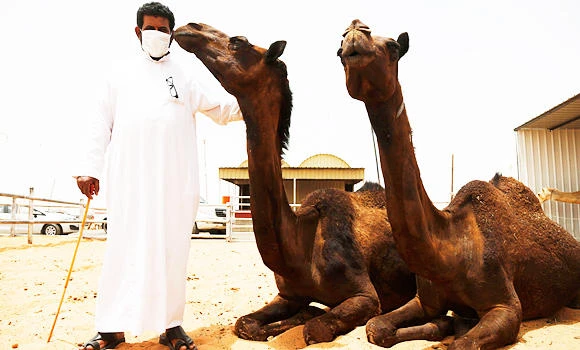
According to a senior official at the Ministry of Health, one of the men, who was 75-year-old, had contracted the virus from a camel, while investigations on the cause of infection on the 80-year-old, are being carried out.
Since June 2012, some 1,296 persons have been infected with MERS, which includes 554 deaths.
Since the beginning of February, only five cases were reported during the period which included the two deaths on Tuesday.
Recent tests carried out on 112 camels by the Agriculture Ministry have found that 85 percent of the animals carry the deadly MERS-CoV.
The tests, conducted in conjunction with the Ministry of Health, were taken at the Al-Inam Central Market in Jeddah.
With the onset of winter in the Kingdom, Deputy Health Minister for Public Health Dr. Abdul Aziz bin Saeed warned people that young camels are likely to carry MERS-CoV during the current season.
“During the winter, the young camels shed the virus which could attack humans in their vicinity,” he said. He added that the ministry expects an increase in infection during the season. But, he said, it could be curtailed through precaution.
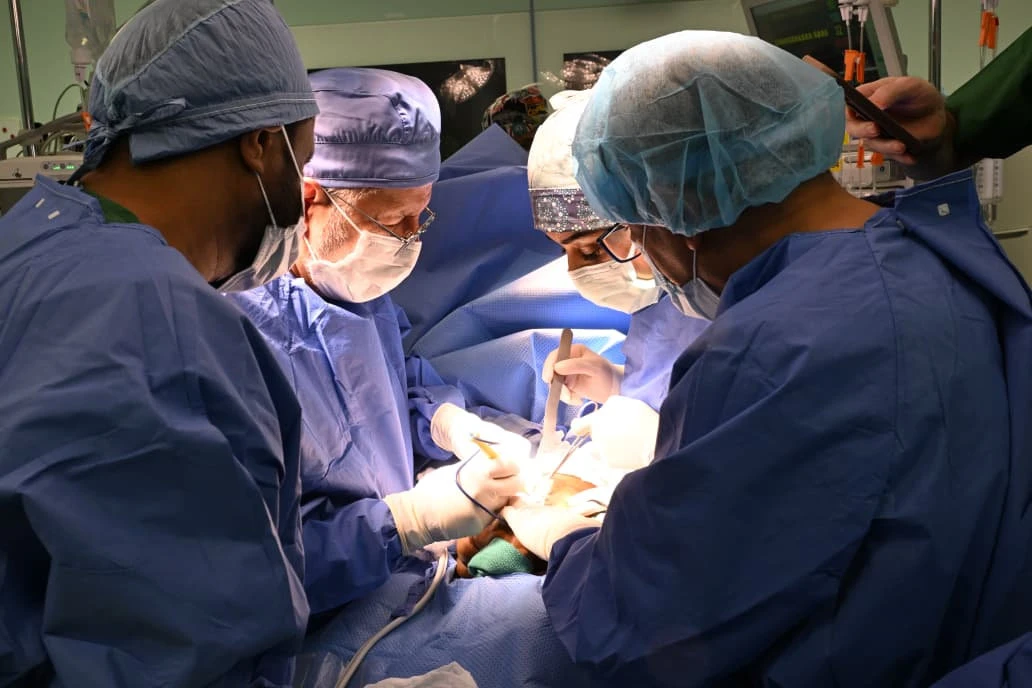
According to the World Health Organization (WHO), infection prevention and control measures are critical to prevent the possible spread of MERS-CoV in health care facilities. It is not always possible to identify patients with MERS-CoV early because like other respiratory infections, early symptoms of MERS-CoV are non-specific. Therefore, health care workers should always apply standard precautions consistently with all patients, regardless of their diagnosis.
Droplet precautions should be added to the standard precautions when providing care to patients with symptoms of acute respiratory infection; contact precautions and eye protection should be added when caring for probable or confirmed cases of MERS-CoV infection; airborne precautions should be applied when performing aerosol generating procedures.
People with diabetes, renal failure, chronic lung disease, and immuno-compromised persons are considered to be at high risk of severe disease from MERS-CoV infection.
Therefore, these people should avoid close contact with animals, particularly camels, when visiting farms, markets, or barn areas where the virus is known to be potentially circulating. General hygiene measures, such as regular hand washing before and after touching animals and avoiding contact with sick animals, should be adhered to.
Food hygiene practices should be observed. People should avoid drinking raw camel milk or camel urine, or eating meat that has not been properly cooked.
WHO remains vigilant and is monitoring the situation. Given the lack of evidence of sustained human-to-human transmission in the community, WHO does not recommend travel or trade restrictions with regard to this event. Raising awareness about MERS-CoV among travelers to and from affected countries is good public health practice.
2 elderly Saudis die of MERS in Al-Kharj