RIYADH: Dr. Hazzaa Al-Zahrani, director of hematology and fellowship training programs at King Faisal Specialist Hospital and Research Center in Riyadh, has warned against the increasing risk of hemophilia in the Gulf region.
He said about 75 percent of the people suffering from the bleeding disorder in developing countries do not receive enough or adequate treatment, or none at all, because health systems in these countries already have enough on their hands among health problems such as dealing with malignant and infectious diseases.
He estimated the number of hemophilia cases in the Gulf countries to stand at 1,000, noting the many centers in the region that treat genetic bleeding disorders and hemophilia.
Al-Zahrani was speaking to a local publication during his participation in the Global Hemophilia Fitness Camp recently held at the Conrad Hotel in Dubai over three days. He explained that the quality of treatment depends on the geographical location, noting that hospitals in small towns do not have enough supplies, equipment and staff to handle such bleeding disorders.
The fitness camp held in Dubai was led by a team of global and regional experts in the field who developed a program aimed at training 73 professionals involved in multidisciplinary care in 21 hospitals in GCC countries.
The conference highlighted the provision of knowledge and tools to health care providers so they can in turn organize and operate fitness camps for hemophilia and bleeding disorder in the region. The training sessions explained the concept of the camp and the benefits of physical activities and sports for hemophilia patients, and how to control the bleeding while exercising.
The camp focused also on the importance of fitness and physical activity and changing the lifestyle of hemophilia patients, as well as on the role of parents and how they can participate in achieving the required life style and fitness for their children suffering from bleeding disorders and hemophilia.
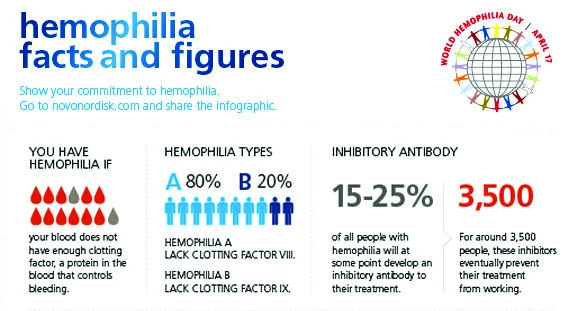
Hemophilia is a lifelong blood clotting disorder that affects one in every 5,000 males around the world. Blood fails to clot normally because of a deficiency or an abnormality of one of the clotting factors which can cause bleeding, especially in the muscles, joints, or internal organs.
A person with hemophilia does not bleed more profusely or faster than normal, but bleeding may last longer. Without treatment, hemophilia can cause crippling pain, severe joint damage, disability and even early death.
The two most common types are hemophilia A and B, and during the past few years, great progress has been achieved in improving the quality of life for patients suffering from bleeding disorders and hemophilia by encouraging the introduction of routine, effective and safe treatments to enhance and boost health care levels for hemophilia patients around the world.
Treatments depend on giving the patients enough self-confidence that they can perform their daily activities to help them improve their fitness, strengthen their muscles, and reduce the deterioration of muscle function, giving them more freedom to go about their own lives without help and do more exercises.
Although there is no cure for hemophilia, there are effective treatments available, and with adequate care, hemophilia patients can live to an advanced age. This is why hemophilia experts are concerned about the urgency of educating medical professionals as well as
parents and caregivers on the latest in the management of this disorder.
Experts advise children with hemophilia to do sports to improve their fitness and the health of their bones, to reduce joint bleeding, to avoid obesity and improve their quality of life.
Hemophilia: Trained staff needed