- Prize will honor achievements in Islamic studies, Arabic literature, medicine, science and service to Islam
- Nominations for all five categories will remain open until the end of March 2027
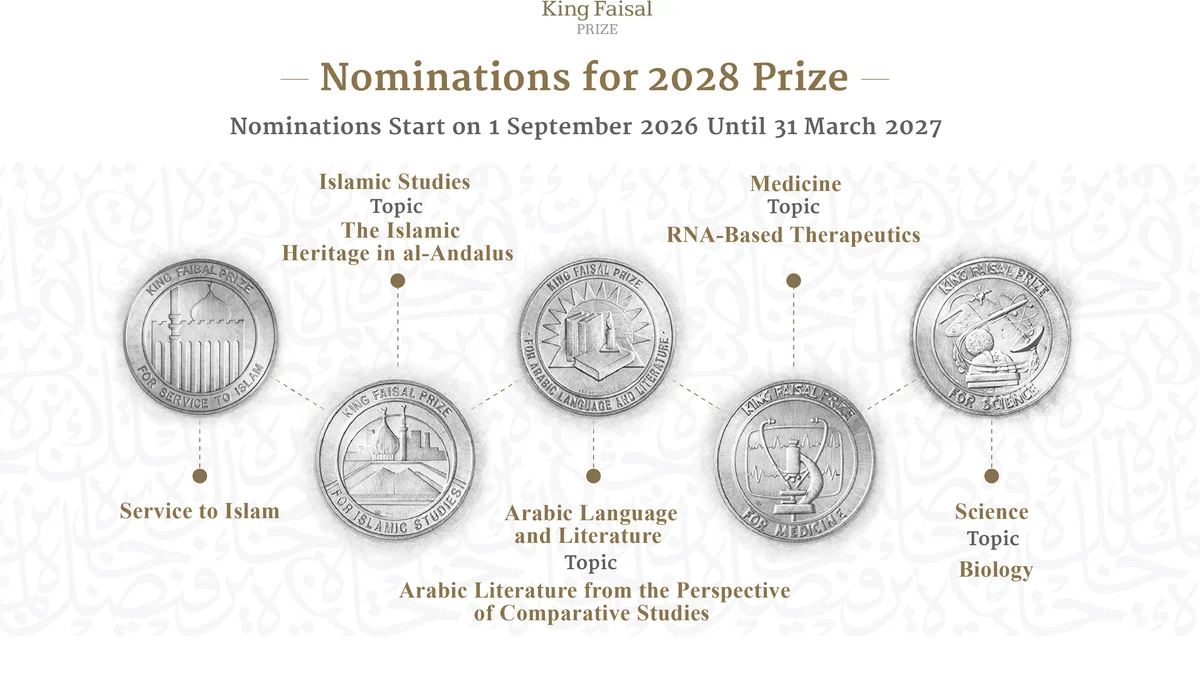
JEDDAH: The King Faisal Prize has opened nominations for its 50th edition in 2028 across all five categories, with submissions accepted until the end of March 2027.
Abdulaziz Al-Sebail, secretary-general of the prize, said each category is assigned a specific academic theme each year, the Saudi Press Agency reported.
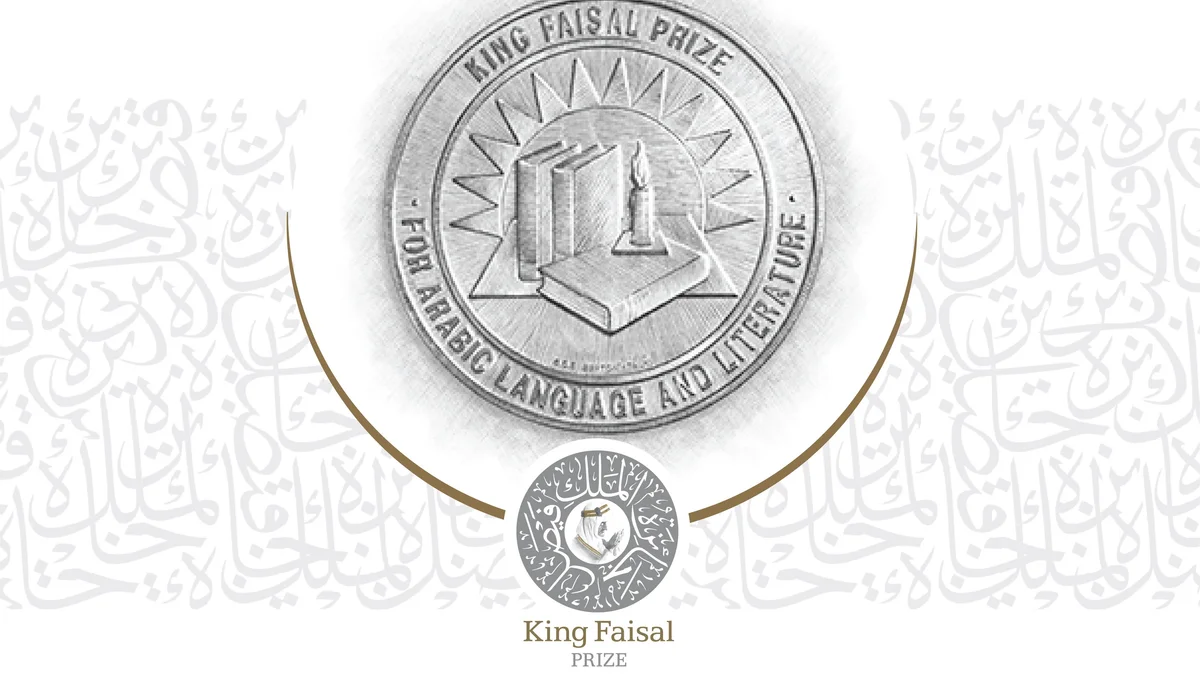
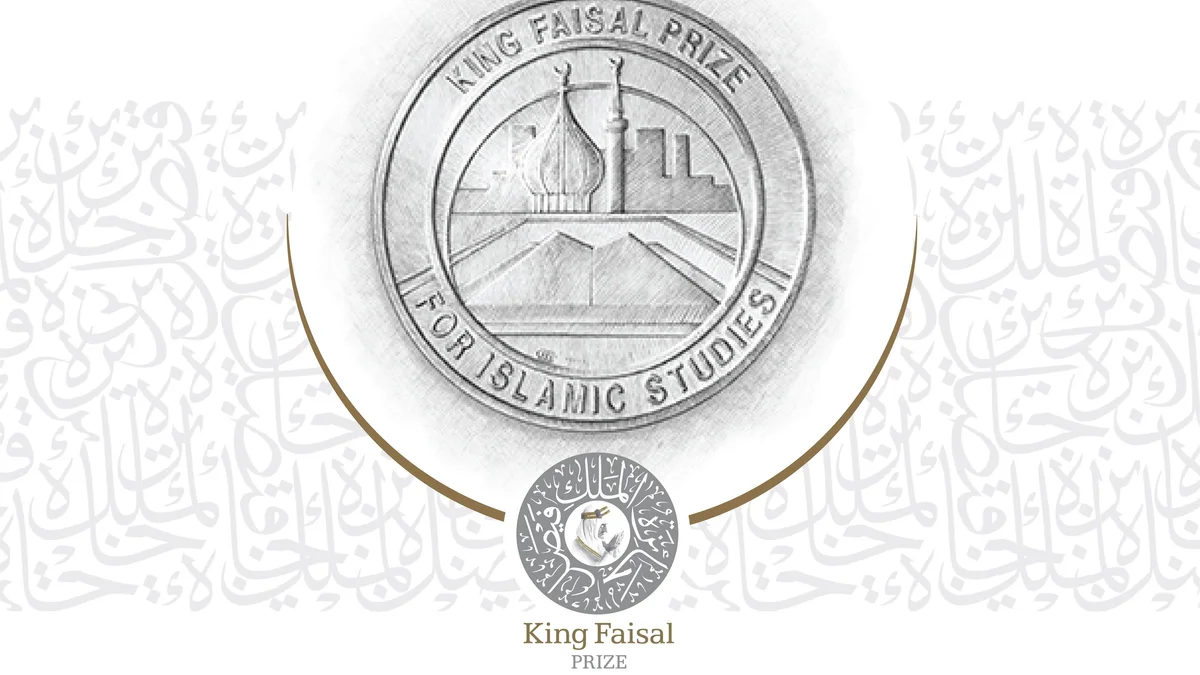
For the 2028 edition, the Islamic Studies category will focus on “Muslim Heritage in Al-Andalus,” while Arabic Language and Literature will examine “Arabic Literature from the Perspective of Comparative Studies.”
The Medicine category will focus on “RNA-Based Therapies,” while the Science category will cover “Life Sciences.”
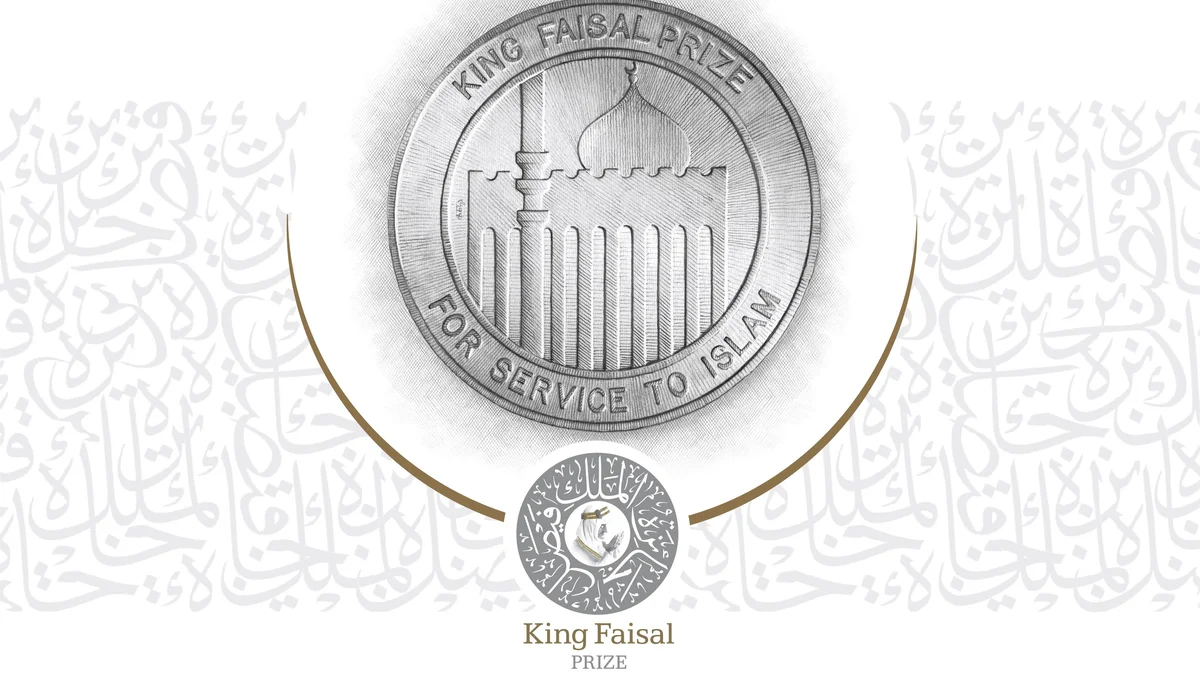
The King Faisal Prize for Service to Islam is awarded to individuals and institutions that have made pioneering contributions to serving Islam and Muslim communities through intellectual, scientific and social work.
Al-Sebail said nominations are accepted from universities, organizations, institutions and scientific research centers.
The nomination period runs from Sept. 1, 2026, until the end of March 2027.
Submissions can be made by email at [email protected] or through the prize’s online nomination portal.
The latest nomination cycle follows the 48th King Faisal Prize ceremony, held in Riyadh in April 2026 under the patronage of King Salman.
The ceremony honored leading figures in medicine, science, Arabic language and literature, Islamic studies and service to Islam, and coincided with the 50th anniversary of the King Faisal Foundation.
Among the 2026 laureates was Prof. Svetlana Mojsov, who received the Medicine Prize for pioneering research on glucagon-like peptide-1, or GLP-1, which helped lay the foundations for a new generation of treatments for diabetes and obesity.
The Science Prize went to Prof. Carlos Kenig for his work on nonlinear partial differential equations and mathematical analysis, with applications ranging from fluid mechanics to optical fibers and medical imaging.
Prof. Pierre Larcher received the Arabic Language and Literature Prize for his research on Arabic literature in French and classical Arabic poetry.
The Islamic Studies Prize was awarded jointly to Abdelhamid Hussein Mahmoud Hammouda and Mohammed Waheeb Hussein for their research on historical Islamic trade routes.
The Service to Islam Prize went to Saudi philanthropist Sheikh Abdullatif Al-Fozan and Egyptian scholar Prof. Mohammed Hassanin Aboumousa.
Established by the King Faisal Foundation in 1977, the prize presented its first awards in 1979. It has since honored 308 laureates from 45 countries for contributions to science, scholarship and humanitarian causes.
The prize initially covered Service to Islam, Islamic Studies, and Arabic Language and Literature, with Medicine and Science added in 1981.
Each laureate receives $200,000, a 24-carat gold medal weighing 200 grams, and a commemorative certificate.