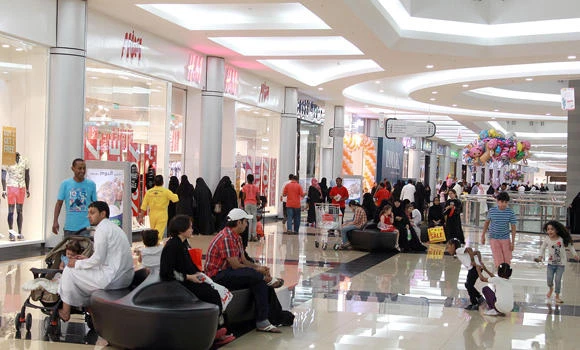
The Kingdom hasn’t seen much development in the nationalization of the retail sector since its initiative last year to create real opportunities for Saudi youth in small and medium enterprises.
Launching the initiative to implement Saudization in the Kingdom’s retail sector a year ago, Ahmed Al-Humaidan, undersecretary at the Ministry of Labor said that the objective of the initiative is to create real opportunities for Saudi youth in small and medium enterprises including restaurants, bookstores, supermarkets, shops selling food, auto parts, furniture, toiletry, industrial materials and electrical supplies. He said that the initiative would mark the beginning of nationalizing the retail sector in the Kingdom.
While discussing the upcoming Jeddah Economic Forum, the chairman of the Jeddah Chamber of Commerce and Industry (JCCI) Saleh Kamel, said in a statement to the Saudi Press Agency that there are 600,000 job opportunities in the retail sector occupied by large numbers of expatriates.
He pointed out that jobs in the retail sector do not need qualifications beyond high school which is a plus for nationalization as 75 percent of the job seekers have high school certificates.
“Leaders and officials in the region have been debating for a long time over the issue of replacing the expatriate workforce with nationals, but evidence shows that this issue will gain urgency as more than 15 million individuals in the Kingdom of Saudi Arabia, Qatar, the United Arab Emirates and Egypt are waiting to join the labor force during the next ten years.”
“Rising up to the challenge of youth unemployment demands serious discussion which goes beyond providing jobs within the major growth sectors such as tourism and transportation,” said Kamel. “It should also deal with the obstacles preventing the establishment of an attractive environment for the business sector to start pioneering projects and facilitate their process,” he added.
According to Wamda, an enabling platform for entrepreneurs in the MENA region around 30-40 percent of working-age Saudis are employed or actively seeking work, but only 12 percent of the total Saudi population are participating in the workforce.
According to the data available, 37 percent of the Saudi population consist of young people under 14 years of age in 2012. As predicted by NCB Capital in its Q4 update report on the Kingdom’s retail sector, Saudization will lead to a short-term slowdown in the sector due to lower demand and higher wages.
“We believe a slowdown in growth will continue to be recorded in the next few quarters due to the negative short-term impact of Saudization,” said Farouk Miah, CFA, head of equity research at NCB Capital. “These include one million fewer expatriates, the negative sentiment from remaining expatriates, a slowdown in new store openings and higher staff costs for companies, leading to pressure on margins.”
“We believe that in the long-run Saudization will be beneficial for the retail sector. Increased employment and disposable incomes for locals, particularly for women, should lead to higher sales for retail companies,” Miah added. “Additionally, the longer term drivers for the sector such as consolidation of a fragmented sector, the young and growing population and economies of scale aiding margins will all remain as they are.”
A retail sector report by Al Rajhi Capital early last year, stated that small convenience stores called “bakalas” currently dominate the retail sector with around 59 percent of the market share.
Statistics from the Ministry of Labor show that nearly 1 million Saudi nationals are unemployed. Companies in the retail sector find it increasingly difficult and expensive to employ Saudi nationals to work in labor intensive jobs. These jobs are presently carried out by low cost non-Saudi nationals. As a result, these companies will have to incur higher costs for recruitment, training and retention which would squeeze their profit margins.
Kingdom’s retail sector lags behind in Saudization goals