
 Rise to see, not to be seen
“Rise to see, not to be seen.” I came across these words two years ago. They were simple enough to remember, yet profound enough to remain, and since then, I have found myself returning to them whenever responsibilities have grown, positions have changed, or the distance between a person and those around them has quietly begun to widen.
We are meant to aspire, to move forward, to succeed, to seek greater responsibility and a wider sphere of influence. There is nothing unworthy in wanting to rise; ambition, after all, is often what moves us beyond the familiar and toward a place where our contribution can become greater.
But perhaps ambition deserves a companion: reflection.
What does rising do to us once we arrive? Does it allow us to see more, or simply make us want to be seen more?
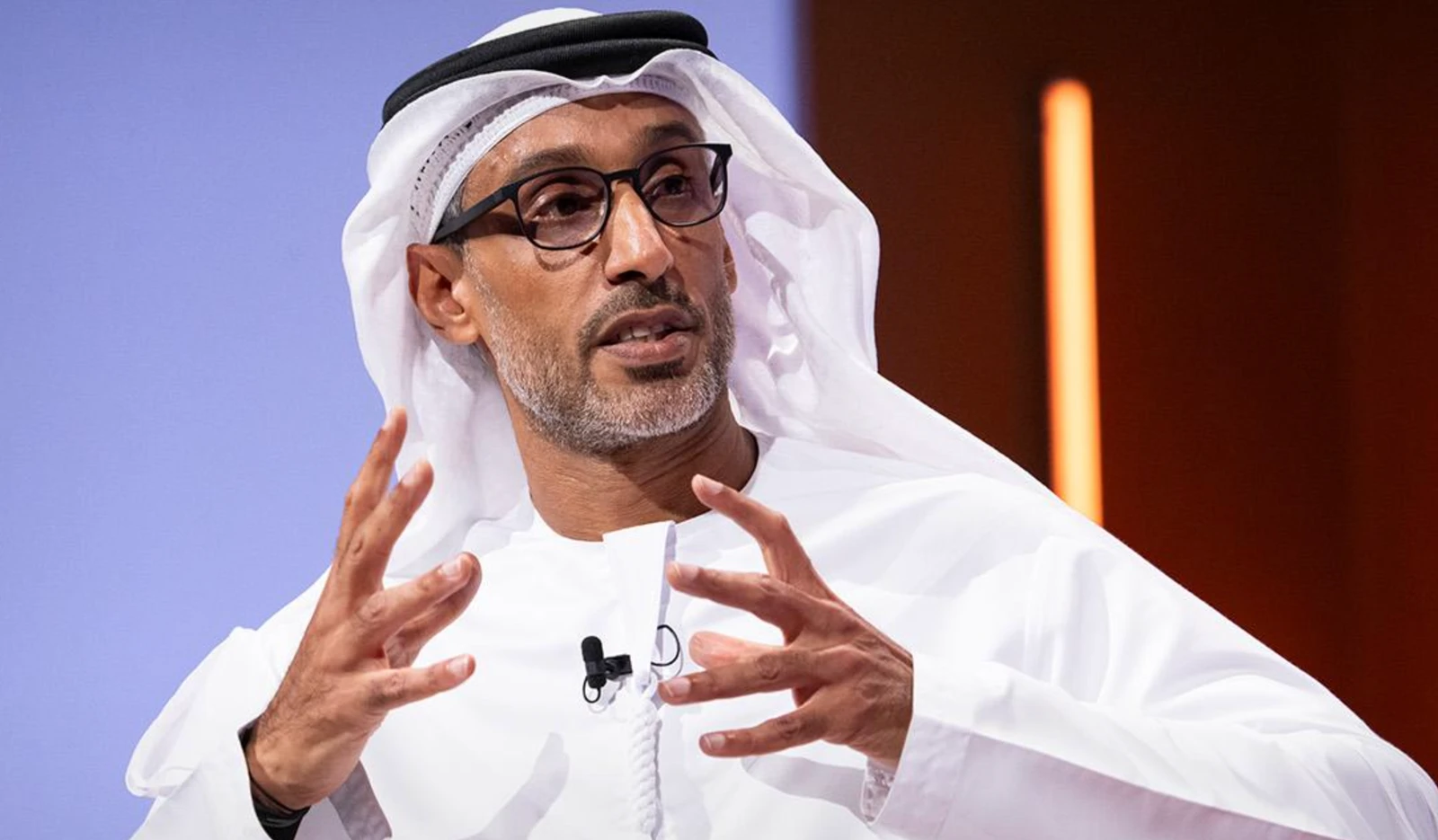
That question returned to me recently while listening to Khalfan Belhoul, CEO of the Dubai Future Foundation, speak at an Emirati Women’s Day forum. Three times, he returned to the same word: ethics.
He spoke of the person behind the position, and of something deceptively difficult: reaching the final day of a role with the same humility, the same openness and the same closeness to people with which we entered it, changed by responsibility, certainly, but changed for the better.
There is something about a first day that naturally makes us humble. We enter unfamiliar rooms attentive to what we do not yet know; we listen more carefully, we ask, we observe, we learn.
Then familiarity arrives, years pass, authority expands, the title no longer feels new, the office becomes ours and privileges that once felt unfamiliar become ordinary. Somewhere in that familiarity, another kind of test begins, not a test of whether we can do the job, but of who the job is making us become.
Experience should change us; it would be strange if it did not. Responsibility should make us wiser, more discerning and more capable of making difficult decisions. It may soften certain edges in us, and it may reveal others we never knew were there.
For positions of leadership do more than test our ability to lead others; they reveal how well we are able to lead ourselves.
Perhaps, then, we should not ask whether we remained exactly the person we were on our first day. The more meaningful question is whether we became a better one by our last.
Let responsibility grow without allowing the self to grow larger than the people around it; let titles change without changing the courtesy with which we treat others; let authority widen our perspective rather than narrow it around our own importance.
Humility is easy to admire from a distance; it is more difficult to practice when authority becomes real.
It is easy to speak of listening when no one needs an appointment to reach us, and easy to speak of equality when no title precedes our name. The true measure comes later, when a signature carries weight, when an approval can move something forward or hold it back, when people wait outside our doors, and when some doors begin to open for us before we have even knocked.
Yet leadership also asks us to be fair in our judgments. Distance is not always arrogance; as responsibilities multiply, time contracts and priorities compete. A leader should not be measured merely by how easy they are to reach, but by what they do with the responsibility entrusted to them and by who they are when someone truly needs to reach them.
There is, after all, a difference between rising in position and rising in stature.
A position may give us a larger office, a more prominent title or a wider field of influence. Stature is different; no appointment can confer it, and no business card can carry it. It is something we bring into a room rather than something the room gives to us and, perhaps more importantly, something that remains after we have left it.
And there is another gift in rising: the view becomes wider.
Perhaps this is the most beautiful interpretation of leadership I know: to rise should be to see more, not only further into the future, or more clearly across strategies and decisions, but more deeply into people.
To notice the young person carrying an ability they have not yet recognized in themselves; to see the person whose potential has remained hidden simply because no one has offered them a real opportunity; to understand that sometimes a word spoken at the right moment can restore confidence, that a small gesture can remain in someone’s memory long after we have forgotten making it, and that an opportunity, quietly given, may alter the direction of a life.
Perhaps that is what the wider view is ultimately for.
One day, every position ends, offices pass to other people, titles disappear from beside our names, and the authority that once seemed permanent belongs to someone else.
And when all of that falls away, what remains is not the size of the office we occupied, nor how many people knew our title, but a quieter question: Who were we while we were there?
Two years after first reading those words, I think I understand them differently now. To rise is not merely to reach a place from which more people can see us; it is to reach a place from which we can see more of them.
Rise to see, not to be seen.
• Asma Al-Janahi is an Emirati government executive and columnist with extensive experience in government programs, executive office management and institutional development. She writes about leadership, government, organizational culture and social life.