RIYADH: Reactions to a recent fatwa banning uterine transplants have been mixed. Some believe it is a risky procedure due to it still being in the experimental stages. However, the head of the Moderate Center for Research, Sheikh Issa Al-Ghaith, said such fatwas are unacceptable.
On his twitter account on Saturday, he said: "The uterine transplant is still in its experimental stage; what should have been the case is for doctors to encourage Muslims in need to seek medical help, rather than stand against the interests of people and country."
"The Civil Status administrations in the country are banning some operations because of the Fatwa Committee, and yet today the Health Ministry is banning fatwas made by the Haia to counter this.
This kind of contradiction shouldn't be happening," he said. Regarding the Shariah stance on this, commentators on Twitter are divided, with some in favor of the ban and others supporting Al-Ghaith, calling for the cancellation of the fatwa.
The first of these are a group of women who see the fatwa as purely reactionary, and as infringing on the rights of women. One said that if a woman wants a baby then she should stop listening to reactionaries and get on with it, relying on God.
Hazem bin Saud Al-Subaei, executive director of the Planning and Development Administration at the Foreign Ministry, criticized Al-Ghaith and supported the ban on his Twitter account, stating that the ban was based on the expert opinion of doctors.
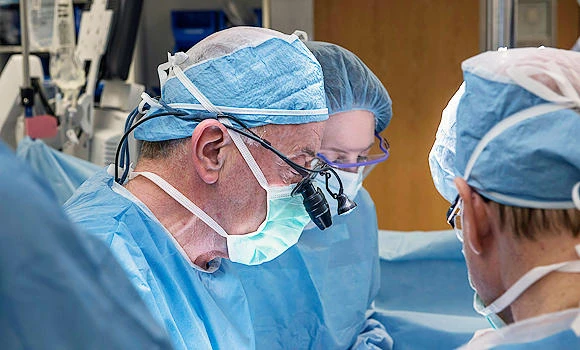
He added that a uterine transplant was carried out in the United States this week but failed, meaning that we should be careful of what we say and do.
Scholar criticizes fatwa banning uterine transplant