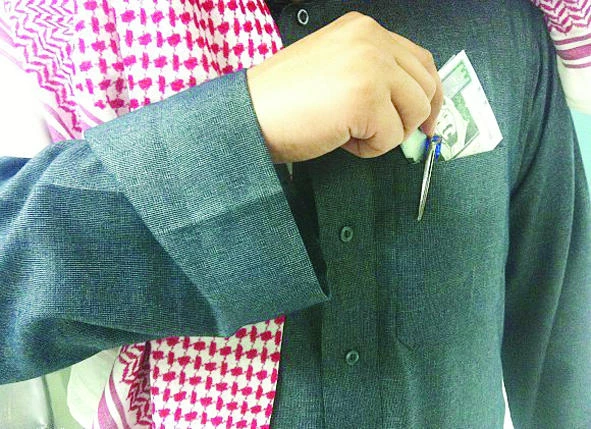
DAMMAM: Only 10 percent of young Saudi citizens believe they have adequate savings for the future, according to a survey released recently.
A total of 89 percent of Saudi citizens are in debt, with 3.5 million registering SR400 billion in personal loans in 2014, according to the National Bonds Gulf Cooperation Council Savings Index.
One of the biggest weaknesses of the Saudi economy is the absence of a savings culture and high consumption. More than 30 percent of Saudis polled are not financially literate, according to various studies. Across the Gulf Cooperation Council (GCC), 26 percent of residents admitted that they do not save regularly.
Poor financial literacy is the reason for the current extravagant spending habits of young Saudis, said Osama Saleh Al-Shammari, a member of the Human Resources Development Fund.
Al-Shammari said studies have shown that Saudis get into debt to buy luxury cars or travel abroad for entertainment. He said citizens must start managing their finances more effectively.
He said many Saudi families are spending far beyond their means. Many married couples have also shown that they are unable to manage their spending within the limits of their joint income.
Meshal Al-Qurashi, a social expert, said many Saudis are not saving and are instead spending huge amounts on cars, houses, food and clothes to keep up with their peers and perceived social status.
He said banks and stores have taken advantage of these trends by bombarding Saudis with advertisements for easy credit. This has resulted in Saudis spending more on luxuries than basic needs, he said.
Asia Dawood, a human development trainer, said many parents are also spending exorbitant amounts on “useless” products for their children. They are inadvertently making their children become consumers.
She said advertisements are encouraging this consumer culture and urged parents and teachers to educate children on managing their finances so that they can make wise decisions in future.
Young Saudis ‘lack savings culture’