KABUL: At least three civilians have been killed in the capital Kabul after their vehicle was attacked with a sticky bomb, an Afghan official said.
Najib Danish, deputy spokesman for the Interior Ministry, said the victims of the Saturday attack are two female government employees and a child. A sticky bomb is a type of grenade designed to be attached to a vehicle.
Danish said the driver of the vehicle was wounded. No group has claimed responsibility for the attack.
Meanwhile, 10 insurgents including a Talbian-appointed deputy governor and district chief were killed a day earlier in northern Samangan province, Danish said.
On Thursday, the head of US intelligence agencies offered a pessimistic assessment of the security situation in Afghanistan, where the US is planning to send more troops to combat resurgent extremists.
“The political and security situation in Afghanistan will also almost certainly deteriorate through 2018, even with a modest increase in the military assistance by the US and its partners,” Director of National Intelligence Dan Coats said at a hearing of the Senate Intelligence Committee.
“Afghanistan will struggle to curb its dependence on external support until it contains the insurgency or reaches a peace agreement with the Taliban,” Coats told lawmakers in presenting an annual assessment of threats to US national security.
US-led forces have been fighting in Afghanistan for almost 16 years, making it America’s longest war, yet the situation there remains a stalemate.
Gen. Vincent Stewart, head of the Defense Intelligence Agency, said if the situation was not addressed, the US-led alliance risked losing the fragile gains it had made during the protracted conflict.
“Unless we change something... the situation will continue to deteriorate and we’ll lose all the gains that we’ve invested in over the last several years,” he said.
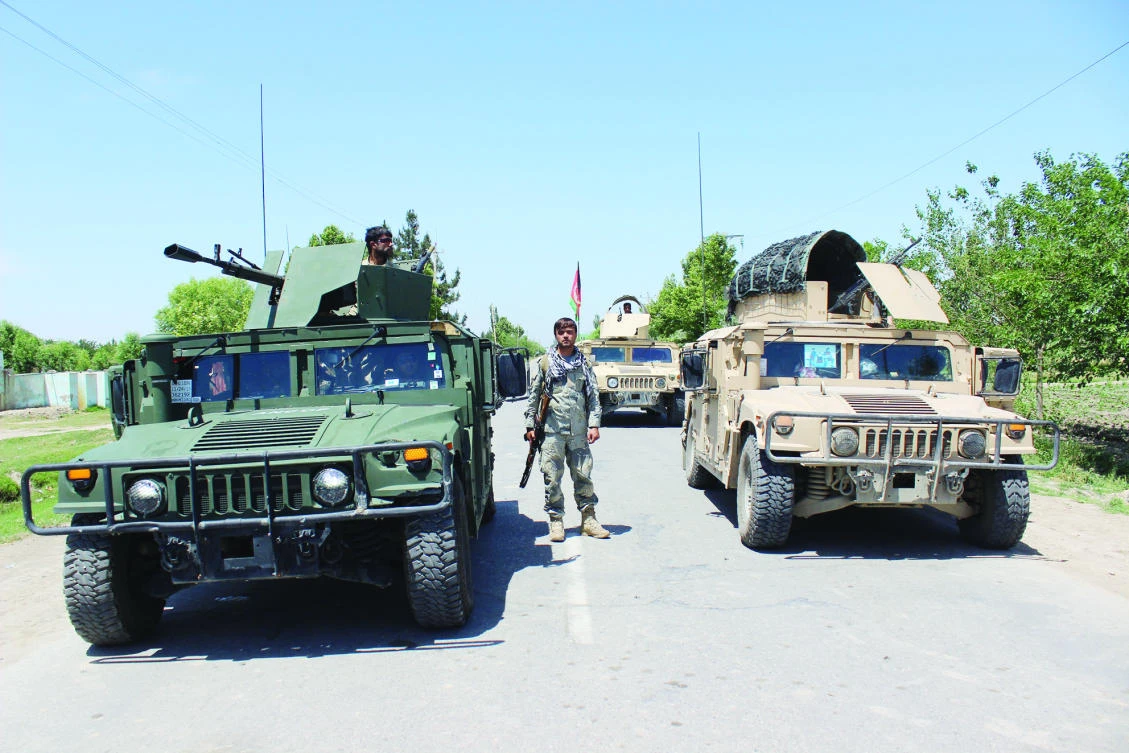
That new beefing-up of efforts would include sending US and NATO advisers at brigade and battalion level to help Afghan commanders coordinate troop movements with artillery, intelligence or close air support, he said.
The Taliban, which first emerged in the mid-1990s in southern Afghanistan, managed to conquer most of the country before its 2001 ouster, with the help of a range of foreign militants.
But it has been on the rebound, Coates said, and continues to gain strength.
“The Taliban is likely to continue to make gains, especially in rural areas,” said the US spy chief, adding that efforts to bolster local military have been less fruitful than hoped.
Najib Danish, deputy spokesman for the Interior Ministry, said the victims of the Saturday attack are two female government employees and a child. A sticky bomb is a type of grenade designed to be attached to a vehicle.
Danish said the driver of the vehicle was wounded. No group has claimed responsibility for the attack.
Meanwhile, 10 insurgents including a Talbian-appointed deputy governor and district chief were killed a day earlier in northern Samangan province, Danish said.
On Thursday, the head of US intelligence agencies offered a pessimistic assessment of the security situation in Afghanistan, where the US is planning to send more troops to combat resurgent extremists.
“The political and security situation in Afghanistan will also almost certainly deteriorate through 2018, even with a modest increase in the military assistance by the US and its partners,” Director of National Intelligence Dan Coats said at a hearing of the Senate Intelligence Committee.
“Afghanistan will struggle to curb its dependence on external support until it contains the insurgency or reaches a peace agreement with the Taliban,” Coats told lawmakers in presenting an annual assessment of threats to US national security.
US-led forces have been fighting in Afghanistan for almost 16 years, making it America’s longest war, yet the situation there remains a stalemate.
Gen. Vincent Stewart, head of the Defense Intelligence Agency, said if the situation was not addressed, the US-led alliance risked losing the fragile gains it had made during the protracted conflict.
“Unless we change something... the situation will continue to deteriorate and we’ll lose all the gains that we’ve invested in over the last several years,” he said.
That new beefing-up of efforts would include sending US and NATO advisers at brigade and battalion level to help Afghan commanders coordinate troop movements with artillery, intelligence or close air support, he said.
The Taliban, which first emerged in the mid-1990s in southern Afghanistan, managed to conquer most of the country before its 2001 ouster, with the help of a range of foreign militants.
But it has been on the rebound, Coates said, and continues to gain strength.
“The Taliban is likely to continue to make gains, especially in rural areas,” said the US spy chief, adding that efforts to bolster local military have been less fruitful than hoped.