SAO PAULO: Brazilian President Michel Temer has pledged to retire from politics after he leaves office.
Temer also insisted in an interview that he has not made any mistakes in office since his predecessor Dilma Rousseff was impeached last year.
The 76-year-old Temer vowed he will not seek re-election and will deliver promised austerity measures before leaving office. His term ends the last day of 2018.
A recent Datafolha institute poll says just 9 percent of Brazilians approve Temer’s job performance. That figure is lower than Rousseff’s was when she was forced from the presidency.
Temer’s reputation has been tainted by corruption allegations in the ongoing probe into bribes paid by the Petrobras oil company. He still faces a trial that could remove him within weeks.
Former President Fernando Henrique Cardoso, meanwhile, said in a separate interview that Politicians caught up in a sweeping three-year graft investigation are unlikely to return to their positions of power.
Cardoso included Brazil’s former President Luiz Inacio Lula da Silva, the front-runner in early polls for next year’s presidential elections despite facing five corruption trials, as among those whose political careers have likely been destroyed by the kickbacks probe.
“It is unlikely that the people touched by the corruption scandal will return to the leadership they once had,” said Cardoso, a founder of the Brazilian Social Democratic Party (PSDB), which backs the current center-right government.
Cardoso, himself facing accusations in the investigation, also said the profound cultural and constitutional changes now needed to truly clean up Brazil’s system will take time.
Brazil’s biggest graft investigation, known as “Operation Car Wash,” has turned up evidence of corrupt practices as recently as June, suggesting political kickbacks at state companies carried on despite the detention of scores of powerful businessmen and politicians.
“Car Wash has played a very important role in Brazil because it lifted the lid, which was necessary. But that will not resolve things immediately. It is a process,” he said in his office in downtown Sao Paulo.
Cardoso presided over Latin America’s largest nation between 1995 and 2003 after swiftly tackling persistent hyperinflation as finance minister with the Real Plan. He said it would take time to curb “the permissiveness of Brazilian culture.”
“How do you change a culture? With time and by setting a good example — there is no other way,” said Cardoso.
A noted sociologist, the former president has been cited in a blockbuster plea bargain by former executives of engineering company Odebrecht who say they gave Cardoso illegal campaign donations for his presidential runs.
The Odebrecht testimony prompted the Supreme Court to open investigations against dozens more sitting politicians last month, including nearly a third of President Temer’s Cabinet. A lower-level judge will eventually decide if Cardoso himself should be investigated. He denies any wrongdoing.
Uncertain elections
The Supreme Court, the only court authorized to try sitting politicians in Brasilia, is struggling to cope with the deluge of cases. Cardoso, an influential voice in the PSDB, said the scandal made it impossible to say whose reputation would survive intact until the October 2018 presidential election.
Lula, Brazil’s first working-class president who held the office between 2003 and 2011, faces five court cases related to Operation Car Wash that could bar him from running — something his supporters have branded a witch hunt.
Cardoso said the only nationally recognized newcomer untainted by the corruption scandal is São Paulo Mayor Joao Doria, a businessman affiliated with the PSDB. A party structure is key to campaigning in a country as vast as Brazil, he said, making it unlikely a total political outsider could win the presidency.
The PSDB also has seasoned presidential contenders such as São Paulo Governor Geraldo Alckmin and Senator Aecio Neves, both also facing corruption investigations, but it is leftist Lula who leads polls, buoyed by opposition to an unpopular pension reform and easing of labor regulations.
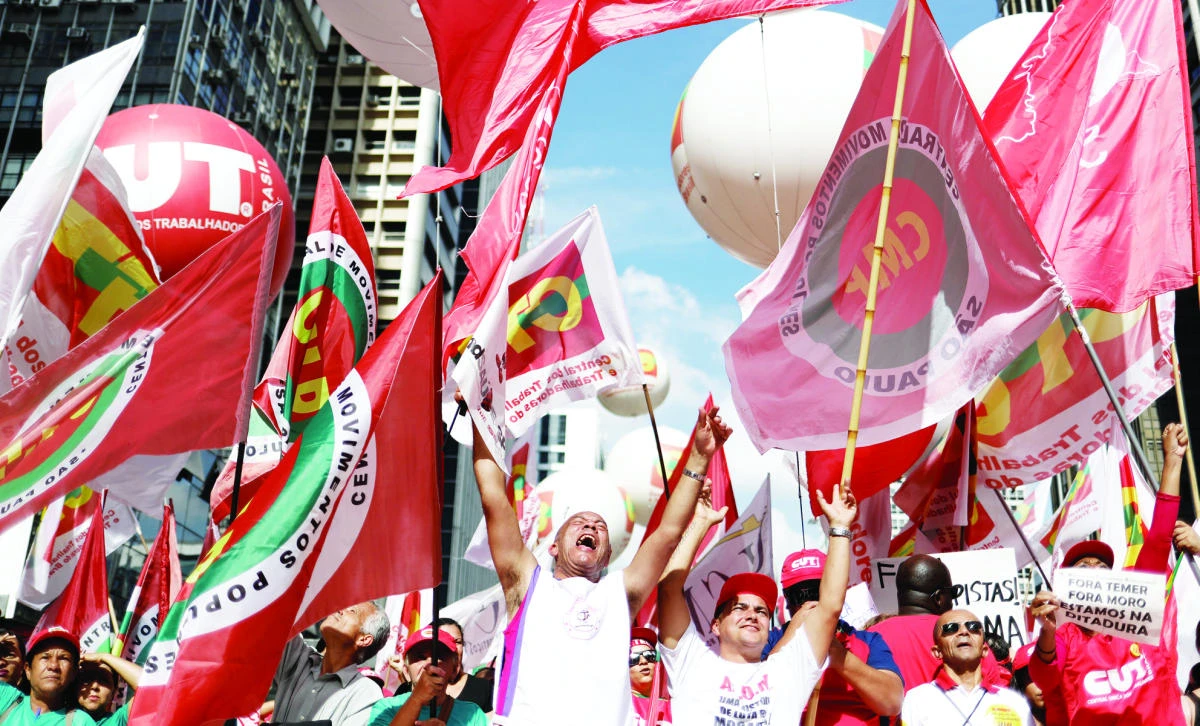
Temer’s ambitious reform agenda, which would raise the average retirement age and cut automatic funding for unions, last week triggered Brazil’s first general strike since 1996, when Cardoso’s privatizations and labor reforms led to a mass stoppage.
Cardoso praised the new reforms, but said the Temer government’s main failure was not explaining them to the public.
Resistance to reforms has also been hardened by complaints about the legitimacy of the impeachment last year of Lula’s political heir, leftist President Dilma Rousseff. Her removal brought then-vice president Temer to power.
“The government’s problem is that it arrived by Constitutional imposition not a direct vote,” Cardoso said. “Obviously a government that has that origin does not have the force to do everything needed. We need an election.”
Temer also insisted in an interview that he has not made any mistakes in office since his predecessor Dilma Rousseff was impeached last year.
The 76-year-old Temer vowed he will not seek re-election and will deliver promised austerity measures before leaving office. His term ends the last day of 2018.
A recent Datafolha institute poll says just 9 percent of Brazilians approve Temer’s job performance. That figure is lower than Rousseff’s was when she was forced from the presidency.
Temer’s reputation has been tainted by corruption allegations in the ongoing probe into bribes paid by the Petrobras oil company. He still faces a trial that could remove him within weeks.
Former President Fernando Henrique Cardoso, meanwhile, said in a separate interview that Politicians caught up in a sweeping three-year graft investigation are unlikely to return to their positions of power.
Cardoso included Brazil’s former President Luiz Inacio Lula da Silva, the front-runner in early polls for next year’s presidential elections despite facing five corruption trials, as among those whose political careers have likely been destroyed by the kickbacks probe.
“It is unlikely that the people touched by the corruption scandal will return to the leadership they once had,” said Cardoso, a founder of the Brazilian Social Democratic Party (PSDB), which backs the current center-right government.
Cardoso, himself facing accusations in the investigation, also said the profound cultural and constitutional changes now needed to truly clean up Brazil’s system will take time.
Brazil’s biggest graft investigation, known as “Operation Car Wash,” has turned up evidence of corrupt practices as recently as June, suggesting political kickbacks at state companies carried on despite the detention of scores of powerful businessmen and politicians.
“Car Wash has played a very important role in Brazil because it lifted the lid, which was necessary. But that will not resolve things immediately. It is a process,” he said in his office in downtown Sao Paulo.
Cardoso presided over Latin America’s largest nation between 1995 and 2003 after swiftly tackling persistent hyperinflation as finance minister with the Real Plan. He said it would take time to curb “the permissiveness of Brazilian culture.”
“How do you change a culture? With time and by setting a good example — there is no other way,” said Cardoso.
A noted sociologist, the former president has been cited in a blockbuster plea bargain by former executives of engineering company Odebrecht who say they gave Cardoso illegal campaign donations for his presidential runs.
The Odebrecht testimony prompted the Supreme Court to open investigations against dozens more sitting politicians last month, including nearly a third of President Temer’s Cabinet. A lower-level judge will eventually decide if Cardoso himself should be investigated. He denies any wrongdoing.
Uncertain elections
The Supreme Court, the only court authorized to try sitting politicians in Brasilia, is struggling to cope with the deluge of cases. Cardoso, an influential voice in the PSDB, said the scandal made it impossible to say whose reputation would survive intact until the October 2018 presidential election.
Lula, Brazil’s first working-class president who held the office between 2003 and 2011, faces five court cases related to Operation Car Wash that could bar him from running — something his supporters have branded a witch hunt.
Cardoso said the only nationally recognized newcomer untainted by the corruption scandal is São Paulo Mayor Joao Doria, a businessman affiliated with the PSDB. A party structure is key to campaigning in a country as vast as Brazil, he said, making it unlikely a total political outsider could win the presidency.
The PSDB also has seasoned presidential contenders such as São Paulo Governor Geraldo Alckmin and Senator Aecio Neves, both also facing corruption investigations, but it is leftist Lula who leads polls, buoyed by opposition to an unpopular pension reform and easing of labor regulations.
Temer’s ambitious reform agenda, which would raise the average retirement age and cut automatic funding for unions, last week triggered Brazil’s first general strike since 1996, when Cardoso’s privatizations and labor reforms led to a mass stoppage.
Cardoso praised the new reforms, but said the Temer government’s main failure was not explaining them to the public.
Resistance to reforms has also been hardened by complaints about the legitimacy of the impeachment last year of Lula’s political heir, leftist President Dilma Rousseff. Her removal brought then-vice president Temer to power.
“The government’s problem is that it arrived by Constitutional imposition not a direct vote,” Cardoso said. “Obviously a government that has that origin does not have the force to do everything needed. We need an election.”