ISLAMABAD: ToffeeTV has hit an unexpected snag. The Internet startup depended on YouTube to promote “Hokey-Pokey,” ‘’The Umm Nyum Nyum Song” and other language-teaching clips it produces for children, but the video-sharing website has been banned in Pakistan for nearly a year.
The measure was imposed to block videos that people took as insulting and blasphemous. But the unintended consequence has been frustration for many companies, educators and students. A petition to end Internet censorship is before a Pakistani court, and a debate has been rekindled over how to reconcile the right to a free flow of information with a widespread public sentiment that Islam needs special protections.
ToffeeTV has had to save its clips on its own servers and delay the rollout of its apps, says company co-founder Rabia Garib. “It threw us off our feet,” she said. “We’re off schedule by about eight months.”
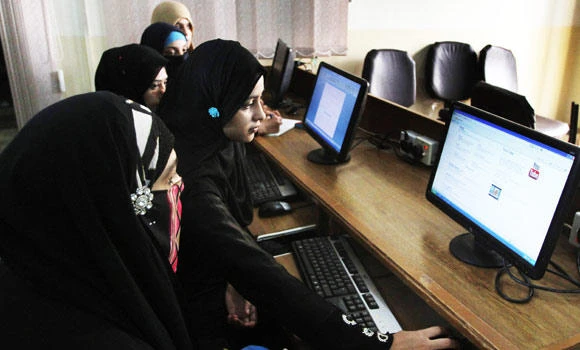
While the tech-savvy have ways to get around the ban, the vast majority of Pakistanis who try to view YouTube get this: “Surf Safely! ... The site you are trying to access contains content that is prohibited for viewership from within Pakistan.”
The made-in-America trailer for “Innocence of Muslims,” the movie of which has never reached cinemas, provoked uproar in many countries, and several US diplomatic missions were targeted. In Pakistan, clashes between police and protesters left 19 people dead.
YouTube as well as Facebook were initially blocked although the government soon exempted Facebook, saying it removed the offensive material. At the time, US President Barack Obama’s administration asked Google, YouTube’s parent, to take down the video. But the company refused, saying the trailer didn’t violate its content standards.
The only other countries that block YouTube are Tajikistan, China and Iran, according to Google’s transparency report that tracks restrictions of its products. Another 56 countries have localized versions of YouTube that allow for tailoring content to local standards.
Pakistan, a nation of roughly 180 million, has a democratically elected government and a legal system inherited from its former British rulers. But that system also contains significant religious strictures, and disputes over religion frequently end in bloodshed. So at the time the YouTube ban was imposed, many saw it as a necessary calming measure.
Now an advocacy group called Bytes for All is petitioning the Lahore High Court to order an end to all Internet censorship.
Free YouTube! Pak ban faces court action