BERLIN: A delegation of German lawmakers scrapped plans to visit Turkey after being told at the last minute that it wouldn’t be able to hold talks with officials or visit the Turkish Parliament building, a deputy Parliament speaker said Wednesday.
The cancelation adds to a growing list of issues straining German-Turkish relations, and comes on top of Turkey’s refusal to allow another group of lawmakers to visit German troops stationed at a Turkish airbase as part of the campaign against the Daesh group.
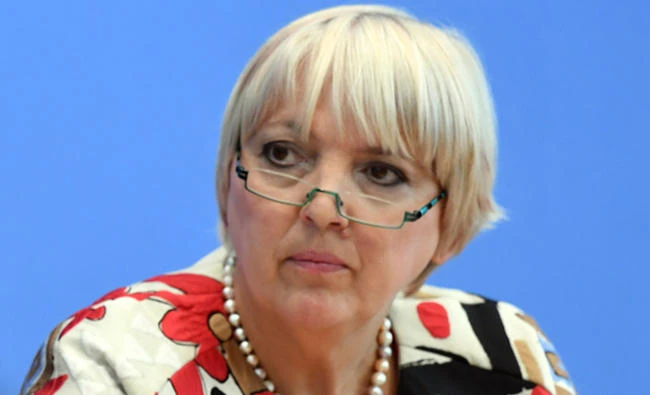
Deputy speaker Claudia Roth, a member of the opposition Greens, was to head a four-member delegation from three parties on a May 25-28 visit to Ankara, Diyarbakir and Istanbul for meetings with officials, government and opposition lawmakers and non-government groups. The group included the head of the German parliament’s human rights committee.
“Yesterday we received the information that it is currently not considered opportune at the very, very, very highest Turkish level to conduct political talks with the German parliamentary side in Turkey,” Roth told reporters in Berlin. She described the incident as a “political provocation.”
German Foreign Ministry spokesman Martin Schaefer said Turkey’s deputy foreign minister informed his German counterpart, Markus Ederer, Monday evening that the visit couldn’t go ahead. The Turkish official cited “a domestic political situation in Turkey that wasn’t conducive” to the trip, Schaefer added.
Germany’s ambassador to Turkey says that he can’t recall “such a friendly and dialogue-oriented visit by a group of German lawmakers being so rudely and bluntly rejected,” Schaefer said.
Chancellor Angela Merkel and Turkish President Recep Tayyip Erdogan will both attend a summit of NATO leaders in Brussels Thursday. Merkel’s spokesman, Steffen Seibert, said it is “entirely possible” that the two will meet on the sidelines.
Ties between the NATO allies have been strained especially since a failed coup in Turkey last year, and have worsened over multiple issues including a referendum campaign to expand President Recep Tayyip Erdogan’s powers.
Relations plunged further after Turkey imprisoned Deniz Yucel, a German-Turkish journalist with Die Welt, on terror charges earlier this year while Germany granted political asylum to some Turkish military officers accused of involvement in the attempted putsch.
In another spat, Turkey has repeatedly refused to allow German lawmakers to visit the Incirlik military base near Syria, which is used by the international coalition fighting the Daesh group.
Berlin has warned it could move its 250 military personnel stationed at the base, flying Tornado surveillance missions over Syria and refueling flights for partner nations battling Daesh militants, to another location in the region, likely Jordan.
The relationship with Turkey is one of Germany’s most important outside Europe, in part due to its three-million-strong ethnic Turkish population, the legacy of a massive “guest worker” program in the 1960s and 1970s.
The cancelation adds to a growing list of issues straining German-Turkish relations, and comes on top of Turkey’s refusal to allow another group of lawmakers to visit German troops stationed at a Turkish airbase as part of the campaign against the Daesh group.
Deputy speaker Claudia Roth, a member of the opposition Greens, was to head a four-member delegation from three parties on a May 25-28 visit to Ankara, Diyarbakir and Istanbul for meetings with officials, government and opposition lawmakers and non-government groups. The group included the head of the German parliament’s human rights committee.
“Yesterday we received the information that it is currently not considered opportune at the very, very, very highest Turkish level to conduct political talks with the German parliamentary side in Turkey,” Roth told reporters in Berlin. She described the incident as a “political provocation.”
German Foreign Ministry spokesman Martin Schaefer said Turkey’s deputy foreign minister informed his German counterpart, Markus Ederer, Monday evening that the visit couldn’t go ahead. The Turkish official cited “a domestic political situation in Turkey that wasn’t conducive” to the trip, Schaefer added.
Germany’s ambassador to Turkey says that he can’t recall “such a friendly and dialogue-oriented visit by a group of German lawmakers being so rudely and bluntly rejected,” Schaefer said.
Chancellor Angela Merkel and Turkish President Recep Tayyip Erdogan will both attend a summit of NATO leaders in Brussels Thursday. Merkel’s spokesman, Steffen Seibert, said it is “entirely possible” that the two will meet on the sidelines.
Ties between the NATO allies have been strained especially since a failed coup in Turkey last year, and have worsened over multiple issues including a referendum campaign to expand President Recep Tayyip Erdogan’s powers.
Relations plunged further after Turkey imprisoned Deniz Yucel, a German-Turkish journalist with Die Welt, on terror charges earlier this year while Germany granted political asylum to some Turkish military officers accused of involvement in the attempted putsch.
In another spat, Turkey has repeatedly refused to allow German lawmakers to visit the Incirlik military base near Syria, which is used by the international coalition fighting the Daesh group.
Berlin has warned it could move its 250 military personnel stationed at the base, flying Tornado surveillance missions over Syria and refueling flights for partner nations battling Daesh militants, to another location in the region, likely Jordan.
The relationship with Turkey is one of Germany’s most important outside Europe, in part due to its three-million-strong ethnic Turkish population, the legacy of a massive “guest worker” program in the 1960s and 1970s.