Explanation and elaboration can wait. While the results of the Indian general elections will be out on May 16, let me give my own assessment in bullet points here and now.
- The Bharatiya Janata Party (BJP) will be the single largest party in the 16th Lok Sabha, followed by the Congress. What’s the big deal, one may say? Isn’t this known to everybody who is somewhat familiar with the Indian politics? But then wait and read the next point!
- The BJP tally will not exceed 182 seats; the party’s best-ever performance notched up in 1999 under the leadership of the charismatic and mesmerizing orator Atal Bihari Vajpayee, in the 543-member Lok Sabha. The total strength of the Lok Sabha or lower house of Indian parliament is 545, including two nominated members.
- The Congress will perform badly but not as miserably as various opinion polls and election surveys have predicted. My assessment is that the Congress will be somewhere between 125-140 seats.
- Should my predictions about the BJP and Congress come true, it would be a hark back to the 1999 general election for the 13th Lok Sabha when the Congress had tumbled to its lowest ever tally of 114 seats as compared to the BJP’s career best performance of 182 seats. The implications of such a scenario are clear but we will come to that a bit later.
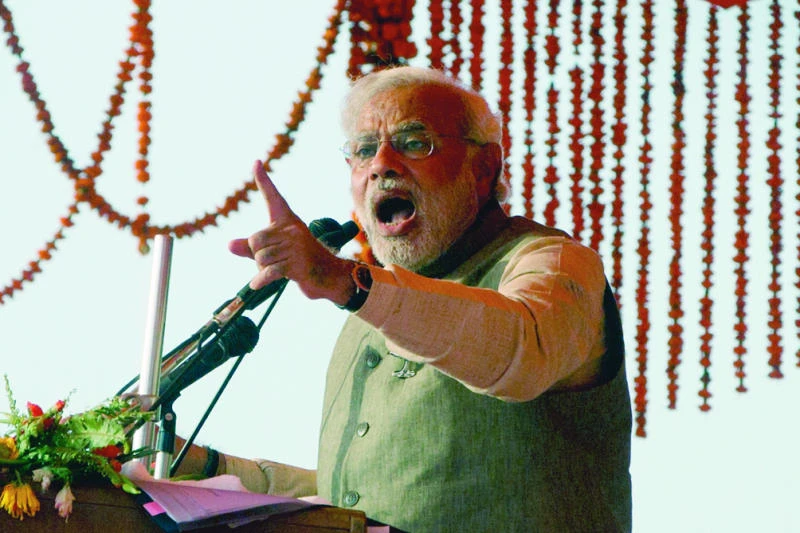
- Whoever wins from Varanasi, Uttar Pradesh, where BJP’s prime ministerial candidate Narendra Modi is locked in a triangular high-octane contest with Ajay Rai (Congress) and Arvind Kejriwal (Aam Aadmi Party) the victory margin will not be more than 25,000 votes.
- Congress Vice President Rahul Gandhi will win his third straight election from Amethi (UP) despite the bluster and late offensive launched by Modi and top BJP leadership. However, his victory margin would be reduced drastically – just about 100,000 votes or so as compared to 364,000 votes in the last election.
- BJP stalwarts Arun Jaitley and Murli Manohar Joshi are going to lose from their respective constituencies, Amritsar (Punjab) and Kanpur (UP). Both will lose to Congress candidates, former Punjab chief minister Captain Amarinder Singh and Sriprakash Jaiswal respectively.
- Another BJP stalwart Sushma Swaraj will win comfortably from Vidisha, Madhya Pradesh.
- The BJP will find it tough to get even seats from UP which sends 80 representatives to the Lok Sabha. The BJP is hoping to win at least 50-55 seats from UP. The best-ever performance by the BJP in UP was 57 winning 57 seats but that was close on the heels of the Ram temple movement.
- The three maverick woman politicians – Mayawati (Bahujan Samaj Party or BSP), Mamata Bannrjee (Trinamool Congress) and J Jayalalithaa – will each win at least 25 seats from their home states UP (80 seats), West Bengal (42) and Tamil Nadu (40, including the lone seat of union territory Puducherry) respectively. This means that three ladies with a collective haul of at least 75 seats, will be potential king makers.
The above is not a prediction. It is an exercise in connecting the dots. It is an assessment based on my observations and interactions with fiercely independent political experts who do not wear blinkers for or against any particular political party.