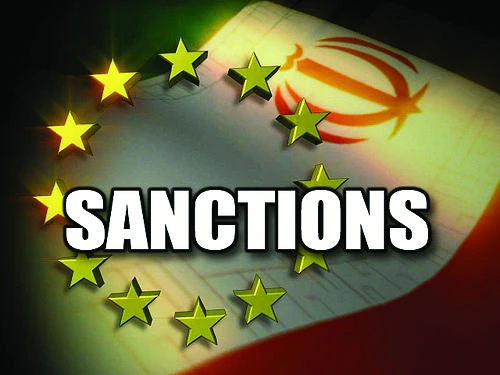
WASHINGTON: The Obama administration enters the year locked in a battle with Congress over whether to plow ahead with new economic sanctions against Iran or cautiously wait to see if last year’s breakthrough nuclear agreement holds.
The new sanctions, widely endorsed by both Republican and Democratic lawmakers, would blacklist several Iranian industrial sectors and threaten banks and companies around the world with being banned from the US market if they help Iran export any more oil. The provisions would only take effect if Tehran violates the interim nuclear deal or lets it expire without a follow-up accord.
The House already approved similar legislation last July by a 400-20 vote and would likely pass the new sanctions by an overwhelming margin. But the Obama administration, fearful of squandering a historic diplomatic opportunity to end the nuclear crisis, has succeeded so far in holding off a Senate vote.
The standoff has prompted sharp criticism from both sides.
The Nov. 24 agreement “makes a nuclear Iran more likely,” argued Republican Sen. Marco Rubio. The deal “falls short of what is necessary for security and stability in the region,” added Democratic Sen. Mary Landrieu.
White House press secretary Jay Carney has accused lawmakers of trying to spoil negotiations in Geneva as part of a “march to war.”
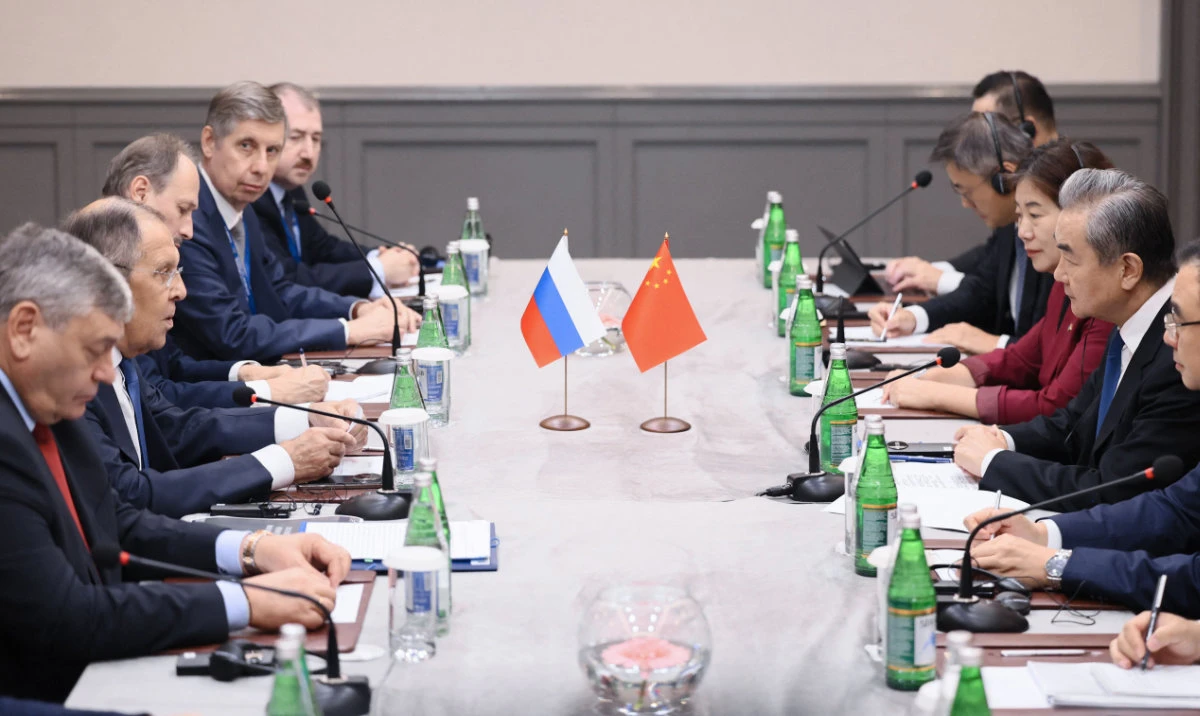
All want to prevent Iran from developing nuclear weapons. But the prevention strategies differ strikingly over the role additional sanctions might play as negotiators try to end the threat of a nuclear-armed Iran.
Many Republicans and Democrats in Congress criticize the Geneva deal as unbalanced: Some $7 billion in sanctions relief to Iran for only freezing, not dismantling, parts of its nuclear program. With the ink barely dry, key lawmakers launched their sanctions push, backed by powerful pro-Israel lobbying groups. Sanctions proponents say they must act to prevent Iran from acquiring new nuclear “rights” through the agreement and permanently benefiting from eased economic conditions. With companies looking to invest in Iran again, they say the threat of future economic restrictions prevents the Iranian government from raking in new cash for nuclear-related activity.
Obama, Congress locked in Iran sanctions dispute