VALLETTA/GIBINA: European leaders tried on Wednesday to focus on joint action with Africa to tackle the migration crisis, as Slovenia became the latest EU member to act on its own by barricading its border.
EU leaders plan to offer their African counterparts up to 3.6 billion euros ($3.8 billion) in aid at a summit in Malta on Wednesday in exchange for help tackling the migration crisis rocking Europe. The rare gathering of around 50 leaders from the two continents is the newest prong in the European Union’s quest for a joint strategy to deal with the biggest flow of refugees and migrants since WW-II.
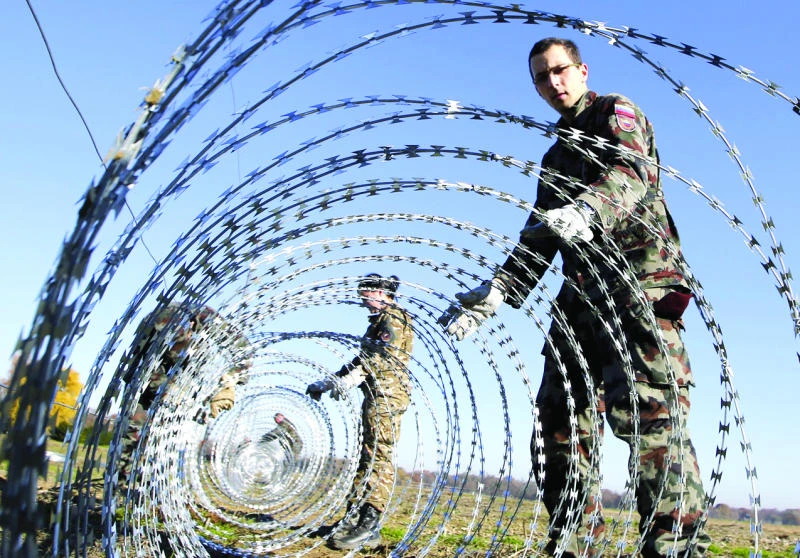
But Slovenia’s move underlined again the divisions within the bloc over how to respond to the crisis. It began on Wednesday erecting a razor-wire fence along its border with Croatia to control the influx of migrants, despite European and African leaders sought long-term solutions to the flow of people making their way across Europe.
A convoy of army trucks carrying the fence and bulldozers arrived in Veliki Obrez Wednesday morning, and soldiers began unwinding the spirals of wire and stretching them along the Slovenian side of the river Sutla that divides the two countries. Other units were later seen further southwest, near the town of Gibina, also stretching the spirals of wire and stacking them on top of each other.
Prime Minister Miro Cerar said a day earlier that his country expects about 30,000 new migrants to reach Slovenia’s borders. His government fears that if neighboring Austria restricts their entry, the number of people that would be stranded in Slovenia would be too much for the tiny Alpine state to handle.
After Hungary sealed its borders last month, Slovenia found itself on the main Balkans route for the thousands of migrants who are landing in Greece every day after braving the short but dangerous sea crossing from Turkey. Bureacrats in Brussels, who pushed for the summit in Malta, oppose fences because they argue they simply redirect the flow of migrants and undermine efforts for a joint solution.
The EU is offering up to 3.6 billion euros to persuade African leaders to take back more economic migrants, a step many African countries are reluctant to take for fear of losing the billions of dollars in remittances sent home by people working abroad.
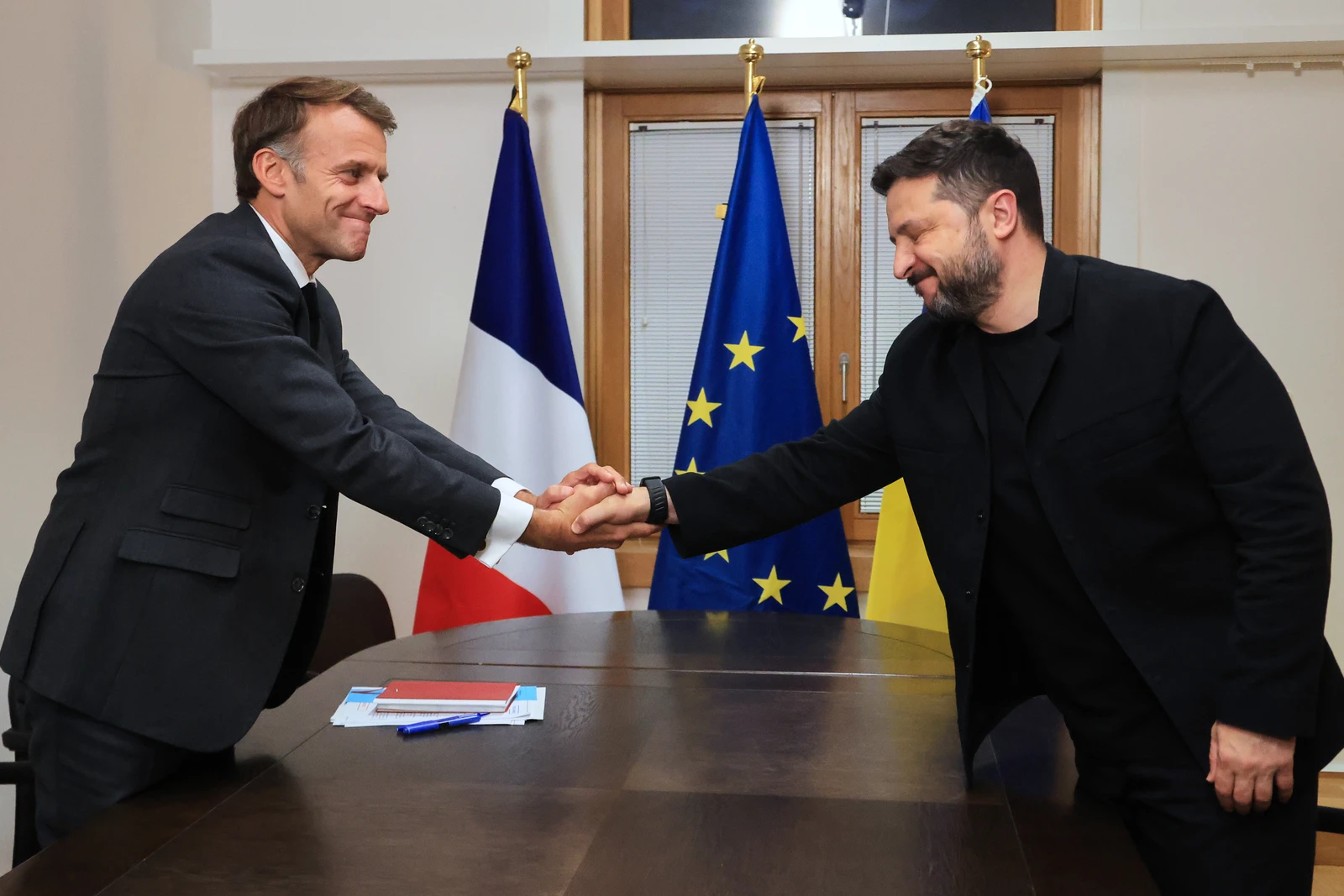
European nations aim to boost cooperation with African countries to protect refugees, send home irregular migrants and stop those who smuggle them, while offering Africans expanded legal channels of migration. “This summit is about action,” European Council President Donald Tusk told summit hosts Malta late Tuesday.
African Union chief Nkosazana Dlamini-Zuma, who will attend the summit, “will speak on the way Africa and Europe can partner and work collaboratively to reap the benefits of labour migration as well as on ways to overcome the challenges around irregular migration in the immediate, medium and long terms,” according to an EU statement.
“If we don’t act on time,” Cerar said, “this could cause a humanitarian catastrophe on the territory of Slovenia.” He said the “technical barrier” will be used to direct the refugee flow, not to close the 670-kilometer (400-mile) border as was the case in Hungary.
Nearly 170,000 migrants have crossed Slovenia since mid-October when Hungary closed its border with Croatia with a razor-wire fence and the flow was redirected to Slovenia.
Interior Minister Vesna Gyorkos Znidar said these measures “are not popular, but they are necessary.”
Meanwhile, European and African leaders converged on Malta for talks aimed at speeding the return of migrants who do not qualify for asylum and to address longer-term issues like poverty, climate change and conflict, which are forcing people to leave.
The meeting is taking place in the capital, Valletta, not far from the area in the Mediterranean where thousands of people have been rescued and many have drowned at sea this year.
Fourteen migrants, including seven children, drowned early Wednesday when their boat sank off the coast of Turkey, the state-run news agency reported. Divers are searching for more possible victims.
Slovenia starts building fence at border to Croatia against illegals