KAMPALA: Ugandan was on high alert Friday over fears of an attack similar to the bloody mall assault by Somalia’s Shabab fighters in neighboring Kenya, where investigators continue to recover charred body parts.
At least 67 people were massacred in the upmarket Westgate shopping centre in Nairobi when gunmen stormed the crowded complex on Sept. 21, firing from the hip and hurling grenades at shoppers and staff.
On Thursday, investigators found a charred skull in the wreckage of the mall, Kenyan police said, adding that DNA testing would be carried out to help identify it. Automatic rifles were also found.
The Kenya Red Cross lists 23 people as missing a month after the siege. Fears are high the Shabab will follow through on their threat to launch further attacks, with the Al-Qaeda linked extremists this week bragging in propaganda posters at rallies in Somalia that “Westgate was just the beginning.”
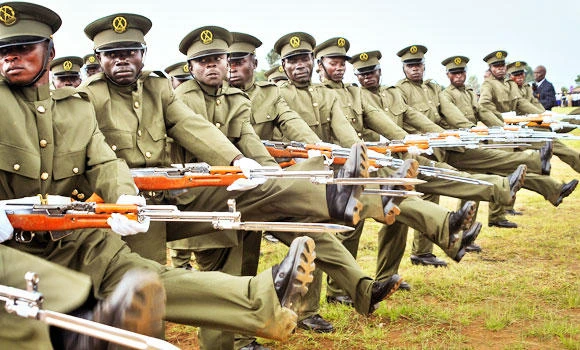
“Stay alert and watch each other’s steps and activities, as we are still threatened by terror,” the Ugandan police said in a message, as armed security forces patrolled outside shopping centres in the capital Kampala.
It followed a message Tuesday from the US Embassy in Uganda which said it was continuing “to assess reports that a Westgate-style attack may soon occur in Kampala.”
The embassy said there was no further information on the timing or location of any attack.
Shabab insurgents claimed the Westgate attack, saying it was in revenge for Kenya military action against the group in southern Somalia.
Uganda also has troops in Somalia with the African Union force that is battling the Shabab, and has been attacked on home soil by the extremists before, in 2010 bomb blasts that killed 76 people. The warnings come as a Norwegian citizen of Somali origin was reported to be suspected of being one of the attackers who stormed the Westgate.
The 23-year-old was named by the BBC as Hassan Abdi Dhuhulow.
Dhuhulow was born in Somalia, but he and his family moved to Norway as refugees in 1999, according to relatives who spoke to the BBC.
Uganda fears Kenya-style mall attack