KIEV: Former Russian lawmaker Denis Voronenkov was shot and killed in Kiev on Thursday in what the Ukrainian president described as an “act of state terrorism” by Russia.
President Petro Poroshenko said Voronenkov’s killing “clearly shows the handwriting of Russian special services shown repeatedly in various European capitals in the past.”
In a statement released by his spokesman, Poroshenko described the victim as a key witness who gave testimony about “Russian aggression” to the Ukrainian authorities.
Voronenkov, 45, a former member of the communist faction in the lower house of Russian parliament, had moved to Ukraine last fall and had been granted Ukrainian citizenship.
He testified to Ukrainian investigators as part of their probe into the activities of the nation’s former Russia-friendly president, Viktor Yanukovych, who was ousted by massive protests in February 2014.
Voronenkov, who had obediently toed the Kremlin line while serving as lawmaker, became a vociferous critic of Russian policies after his move to Kiev.
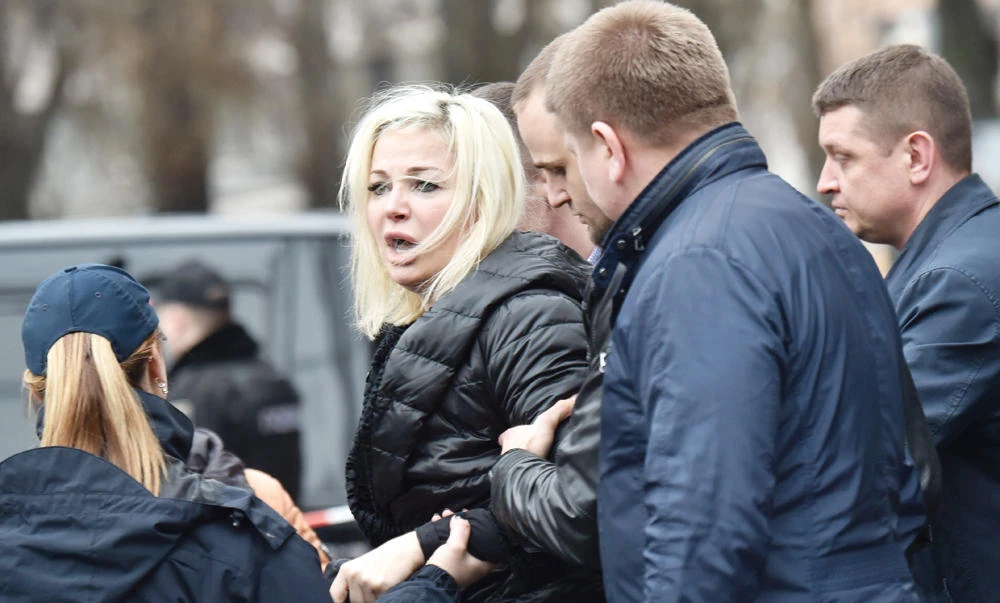
Police said Voronenkov was shot dead by an unidentified gunman near the entrance of an upscale hotel in the Ukrainian capital.
The assailant also wounded Voronenkov’s bodyguard, who fired back and wounded the gunman. Police said they were both hospitalized.
Voronenkov left Russia with his wife, singer Maria Maksakova, who was also a lawmaker. He said he had to leave Russia because of persecution by Russian security agencies and had renounced Russian citizenship.
After Voronenkov’s move to Ukraine, Russian investigators have filed fraud charges against Voronenkov in connection with his business activities.
Members of the Russian parliament were quick to reject Ukrainian allegations that Voronenkov could have been killed over any betrayal of Russia.
Nikolai Kovalyov, the former Russian security chief who is a lawmaker, told Russian state television that the killing could have been rooted in a business dispute.
Also Thursday, Ukraine’s Defense Minister Stepan Poltorak said that Kiev suspects the Russian military or its separatist rebel proxies were responsible for blowing up a warehouse storing tank ammunition at an eastern military base.
Fire and explosions caused the detonation of ammunition in several sites at the base, possibly set off by a drone attack or a radio or timed device, said Poltorak.
Nobody was hurt but around 20,000 people have been evacuated from the surrounding area in the eastern Kharkiv region.
Firefighters have struggled to douse the flames and explosions at the site continue, sending clouds of thick grey smoke into the sky.
“We have a ‘friendly’ country — the Russian Federation,” Poltorak said.
“I think that first of all it could be representatives who help the (separatist) groups that carry out combat missions,” he said.
Ukraine did not provide evidence of Russian or rebel involvement. The Russian military did not immediately respond to a request for comment.
The base, which held about 138,000 tons of ammunition, is located in the city of Balaklia, about 100 km from the frontline of Ukraine’s war against Russian-backed separatists.
The warehouse was guarded by around 1,000 people, some of whom heard the sound of an aircraft just before the explosions.
Oleksander Motuzyanyk, military spokesman, said security around other bases was being beefed up.
A third of the base was burning and the airspace above it was closed off, Poltorak said, adding that the attack would not significantly affect Ukraine’s military capacity.
Saboteurs previously tried to destroy the same base using drones in 2015, another military spokesman, Yuzef Venskovich, told the 112 TV channel.
President Petro Poroshenko said Voronenkov’s killing “clearly shows the handwriting of Russian special services shown repeatedly in various European capitals in the past.”
In a statement released by his spokesman, Poroshenko described the victim as a key witness who gave testimony about “Russian aggression” to the Ukrainian authorities.
Voronenkov, 45, a former member of the communist faction in the lower house of Russian parliament, had moved to Ukraine last fall and had been granted Ukrainian citizenship.
He testified to Ukrainian investigators as part of their probe into the activities of the nation’s former Russia-friendly president, Viktor Yanukovych, who was ousted by massive protests in February 2014.
Voronenkov, who had obediently toed the Kremlin line while serving as lawmaker, became a vociferous critic of Russian policies after his move to Kiev.
Police said Voronenkov was shot dead by an unidentified gunman near the entrance of an upscale hotel in the Ukrainian capital.
The assailant also wounded Voronenkov’s bodyguard, who fired back and wounded the gunman. Police said they were both hospitalized.
Voronenkov left Russia with his wife, singer Maria Maksakova, who was also a lawmaker. He said he had to leave Russia because of persecution by Russian security agencies and had renounced Russian citizenship.
After Voronenkov’s move to Ukraine, Russian investigators have filed fraud charges against Voronenkov in connection with his business activities.
Members of the Russian parliament were quick to reject Ukrainian allegations that Voronenkov could have been killed over any betrayal of Russia.
Nikolai Kovalyov, the former Russian security chief who is a lawmaker, told Russian state television that the killing could have been rooted in a business dispute.
Also Thursday, Ukraine’s Defense Minister Stepan Poltorak said that Kiev suspects the Russian military or its separatist rebel proxies were responsible for blowing up a warehouse storing tank ammunition at an eastern military base.
Fire and explosions caused the detonation of ammunition in several sites at the base, possibly set off by a drone attack or a radio or timed device, said Poltorak.
Nobody was hurt but around 20,000 people have been evacuated from the surrounding area in the eastern Kharkiv region.
Firefighters have struggled to douse the flames and explosions at the site continue, sending clouds of thick grey smoke into the sky.
“We have a ‘friendly’ country — the Russian Federation,” Poltorak said.
“I think that first of all it could be representatives who help the (separatist) groups that carry out combat missions,” he said.
Ukraine did not provide evidence of Russian or rebel involvement. The Russian military did not immediately respond to a request for comment.
The base, which held about 138,000 tons of ammunition, is located in the city of Balaklia, about 100 km from the frontline of Ukraine’s war against Russian-backed separatists.
The warehouse was guarded by around 1,000 people, some of whom heard the sound of an aircraft just before the explosions.
Oleksander Motuzyanyk, military spokesman, said security around other bases was being beefed up.
A third of the base was burning and the airspace above it was closed off, Poltorak said, adding that the attack would not significantly affect Ukraine’s military capacity.
Saboteurs previously tried to destroy the same base using drones in 2015, another military spokesman, Yuzef Venskovich, told the 112 TV channel.