- Work on establishing migrant return hubs outside the EU is progressing well
- Denmark, Austria, Greece, Germany, and the Netherlands are involved in this initiative
BRUSSELS: Work to set up migrant return hubs outside the European Union is progressing “very well”, Denmark said Thursday as the bloc’s home affairs ministers met in Luxembourg to discuss further ways to boost deportations.
Denmark — along with Austria, Greece, Germany and the Netherlands — has been exploring options to set up such migrant centers.
“When it comes to return hubs it’s progressing very well,” Danish interior minister Morten Bodskov told reporters, arriving at the EU meeting after holding talks with colleagues from the other four nations working on the issue.
“We are moving in the right direction,” he said without providing further details.
Germany’s Alexander Dobrindt said there were “preliminary” talks but declined to say which countries were involved. More work was needed to make sure any agreement would withstand possible lawsuits, he said.
“These agreements are meant to be sustainable in the long term,” he said, adding that he was nevertheless hopeful that a first deal could be sealed by the end of the year.
The Luxembourg talks come with anti-immigration parties riding high across the bloc, as evidenced by far-right gains in Germany last month.
EU ministers gave final approval to tougher new migration rules allowing for the creation of return hubs and granting authorities much broader detention powers.
The regulation is to enter into force in the coming weeks, the EU said.
- ‘Black holes’ -
The meeting agenda included discussion on using “enhanced cooperation” with “priority” non-EU countries for returns of people with no right to stay in the bloc.
EU migration chief Magnus Brunner said the focus was on Pakistan and Bangladesh, which he said were the main starting points for migration routes to Europe.
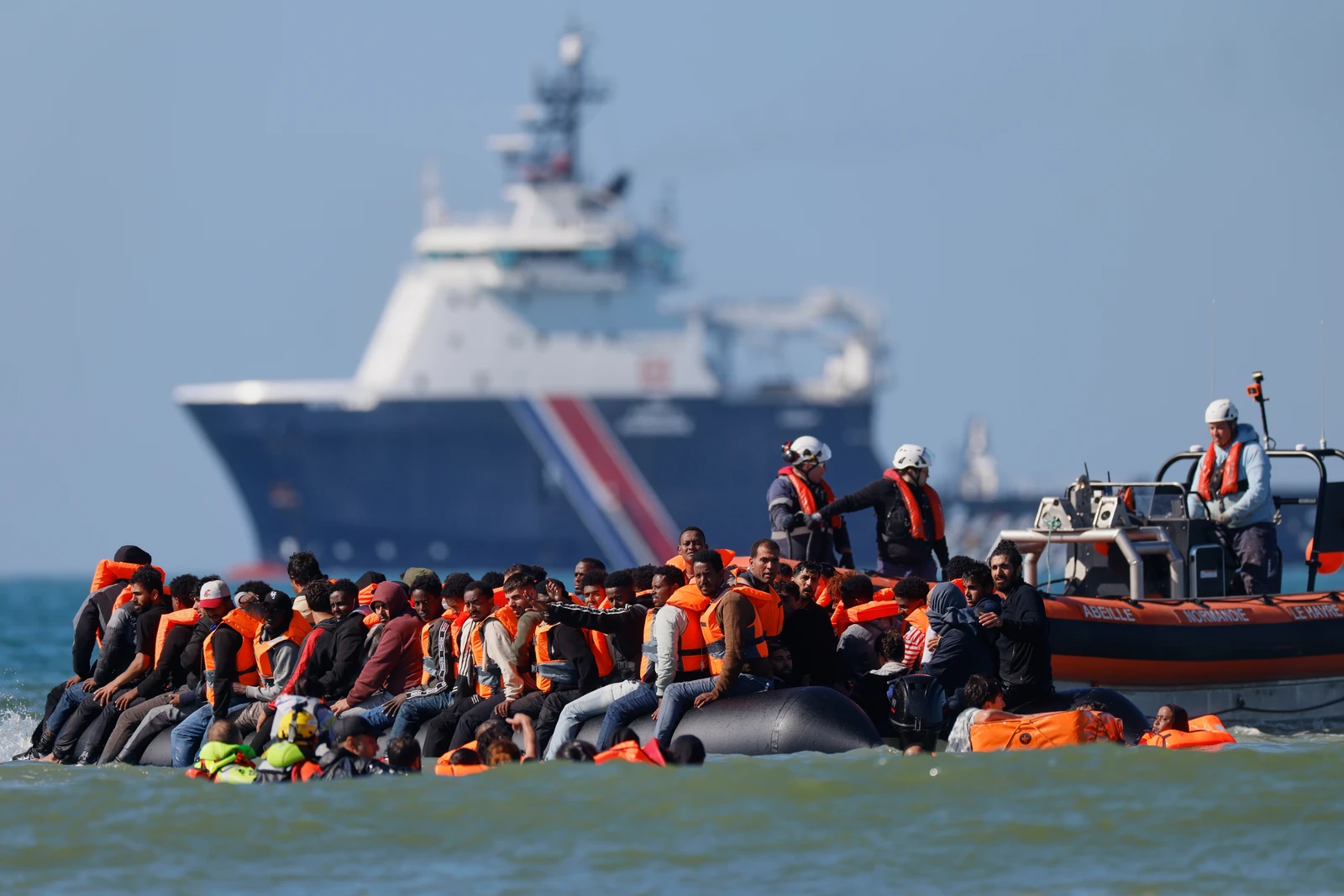
People would then make their way through the Gulf and Egypt to Libya, from where many attempt to cross the Mediterranean by boat.
“We have to start getting engaged at a very early stage,” he said.
Proponents say return hubs — which would serve either as the final destination or as transfer centers for those expelled — could facilitate repatriations and act as a deterrent for would-be irregular migrants.
But critics question their effectiveness, pointing to the hurdles faced by similar projects and likening them to “legal black holes” that could see migrants stranded in limbo with little oversight.
Britain abandoned a scheme to deport undocumented migrants to Rwanda, while Italian-run facilities to process migrants in Albania have faced legal challenges and a slow uptake.
This week Greek migration minister Thanos Plevris said his country was aiming to open a center in 2027 in an African country “that we have already agreed on” but could not yet be named.
- Rwandan option? -
Two European lawmakers from the Greens group said Wednesday that officials in Rwanda had told them they were negotiating with the five EU countries.
Lawmakers Anna Strolenberg and Tineke Strik, who went on an exploratory mission to Rwanda and neighboring Uganda, oppose return hubs over human rights and other concerns.
“Most likely the first country that a deal will be struck with is Rwanda,” Strolenberg, a Dutch parliamentarian, told a virtual press conference.
Rwanda is among a number of African countries that have received migrants from the United States under a similar contested US immigration scheme championed by President Donald Trump.
The talks in Luxembourg were EU ministers’ first in-person meeting since this summer’s migrant rush to Spain’s exclave of Ceuta tested European border security and triggered a diplomatic spat between Spain and migration hard-liner Italy.
Spain was expected to provide an update on the situation in its northern African territory, with discussions also to focus on proposals to prevent and manage similar crises in the future.
EU chief Ursula von der Leyen said this month the European Commission will propose an emergency tool for countries to better deal with mass migration movements, although details are yet to be defined.
Work is similarly going to improve Europe’s early warning system with plans under discussion including reinforcing the mandate of the bloc’s border agency Frontex to conduct social media monitoring.