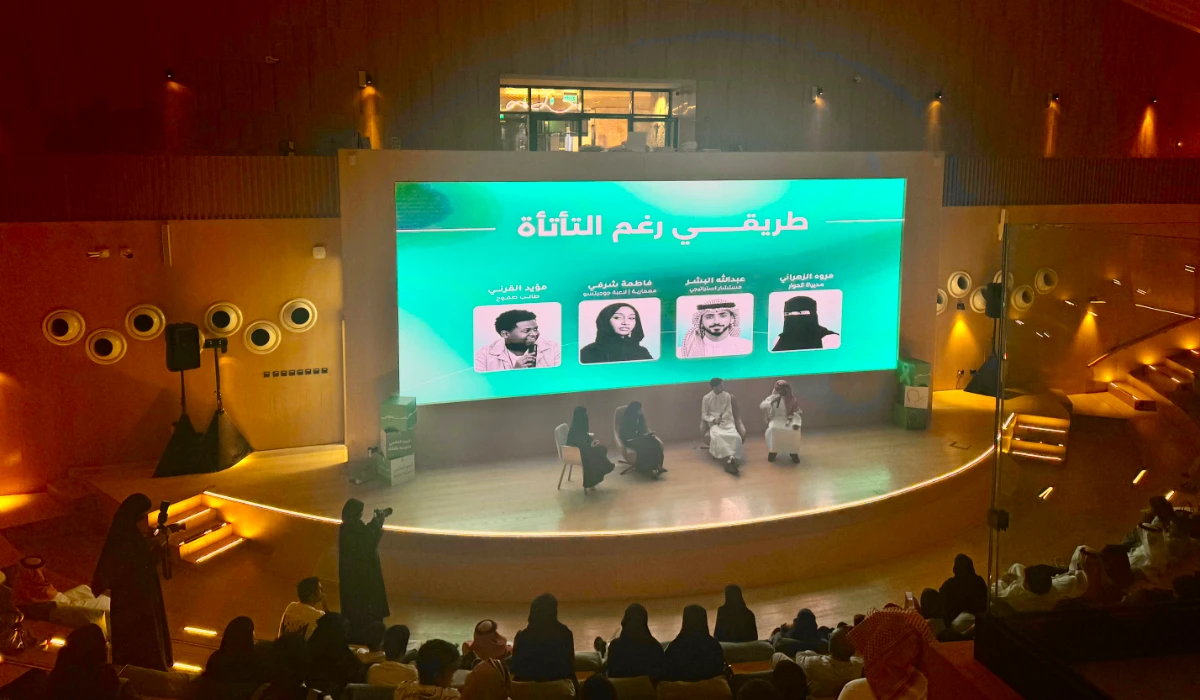
JEDDAH, 22 January — The Effat College will establish a science college next academic year in a move to realize the institution’s goal of enriching the educational experience for Saudi women.
This was announced here yesterday by Dr. Hayfaa Jamal Al-Lil, the dean of Effat College, while addressing a symposium in the college campus yesterday.
The event was led by a panel of experts from Mt. Holyoke and Bryn Mawr colleges in the United States. Elizabeth McCormak, an assistant professor of physics, and member of the American Physical Society, spoke about the importance of encouraging women to join science courses and how this would increase women's contribution to social development. She also highlighted the importance of science in IT applications.
Professor Sheila Ewing Browne, a winner of the presidential Award for Excellence in 1998, emphasized that the most productive means of developing science students was to create a congenial environment for students. Her key strategy was to encourage students write down their goals, constantly review them and measure progress toward them. Browne's advice was to increase student care which produced better results. She added that she always encouraged open discussions to improve their communication skills and reduce negativity among students.
Browne concluded that her teaching approach always depends on student feed-back and project-based work. This invariably yielded positive suggestions and improvements in her classes as it helped the students express their own ideas.
Diana Stein, a professor of biological sciences, introduced the audience to the latest methods in preparing science students by focusing mainly on research. She said that fresh students should be given model research papers to introduce them to the empirical approach, then follow up with a gradual move toward generating their own ideas and approaches.
Donald Cotter, an associate professor of chemistry, reviewed the history of science teaching. The panel developed the theme and suggested that if the requirement for a strong science background prior to college entry was lessened, then more students would be attracted to the profession.