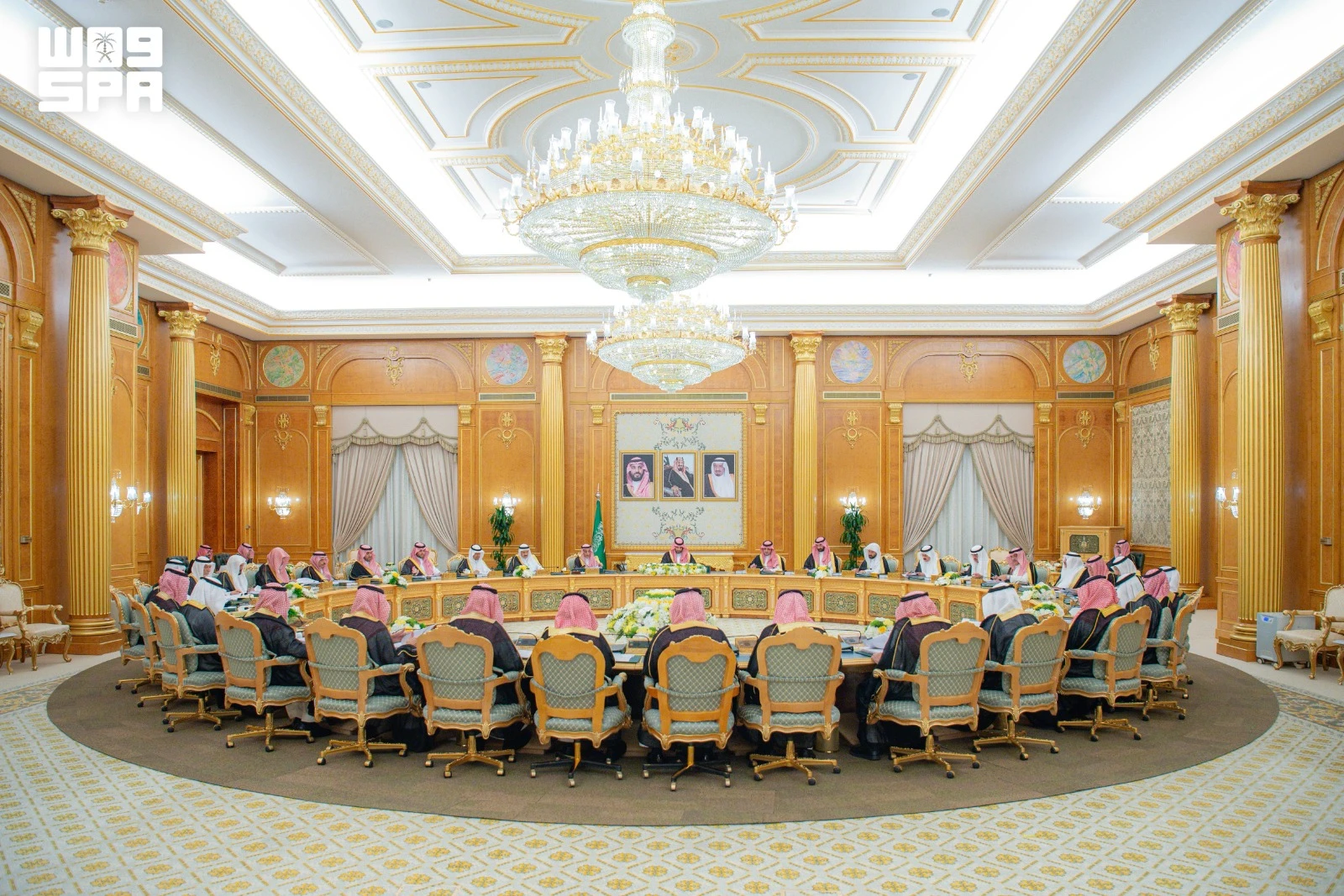
JEDDAH, 22 October — Prince Sultan, second deputy premier and minister of defense and aviation, has called for the Kingdom’s endowments sector to be reactivated in tune with economic and investment developments to make them more beneficial to individuals and society.
In his inaugural speech, which was read out at the first conference on endowments in Saudi Arabia being held at Umm Al-Qura University in Makkah, Prince Sultan highlighted the role of endowments in strengthening Islamic solidarity and promoting social welfare.
Makkah Governor Prince Abdul Majeed opened the conference on Saturday on behalf of Prince Sultan. A large number of experts from within and outside Saudi Arabia are taking part in the four-day event. The attendees will debate about 50 research papers.
“Endowments in Islam set a good example for social coherence as the wealthy people keep part of their properties for various charitable purposes, including religious, social, cultural and health activities,” Prince Sultan said in his address.
He also underscored the government’s support for charitable projects.
Addressing the opening session, Higher Education Minister Dr. Khaled Al-Anqari noted the Kingdom’s efforts to promote endowments since the time of King Abdul Aziz. He said the Waqf Foundation, established by Custodian of the Two Holy Mosques King Fahd, had contributed to the building a number of schools, mosques and other Islamic projects.
“Endowments are no longer limited to religious activities,” he declared.
The higher education minister said the conference would discuss the growing role of endowments in society.
“It could play an important role in cultural, health and social areas by contributing to the establishment of educational institutions, hospitals and social welfare centers,” he added.
Saleh Al-Sheikh, minister of Islamic affairs, endowments, propagation and guidance, praised the efforts of Saudi rulers in promoting endowments. “Almost all wealthy companions of Prophet Muhammad (peace be upon him) had set up endowments.
Following in their footsteps, contemporary Muslim leaders in the Kingdom also established endowments for various purposes,” he explained.
In this respect, he cited establishment of the Ain Al-Aziziya water project in Jeddah as an example.
“People have been benefiting from this endowment property even today,” he pointed out. “Our predecessors did not depend on the government for everything. On the other hand, they played their part in social welfare by establishing endowments,” he pointed out.
Dr. Abdul Mohsen Al-Sheikh, chairman of the preparatory committee, noted the “impressive” requests received by the ministry from Islamic scholars, thinkers and researchers from within and outside the Kingdom to participate in the conference.