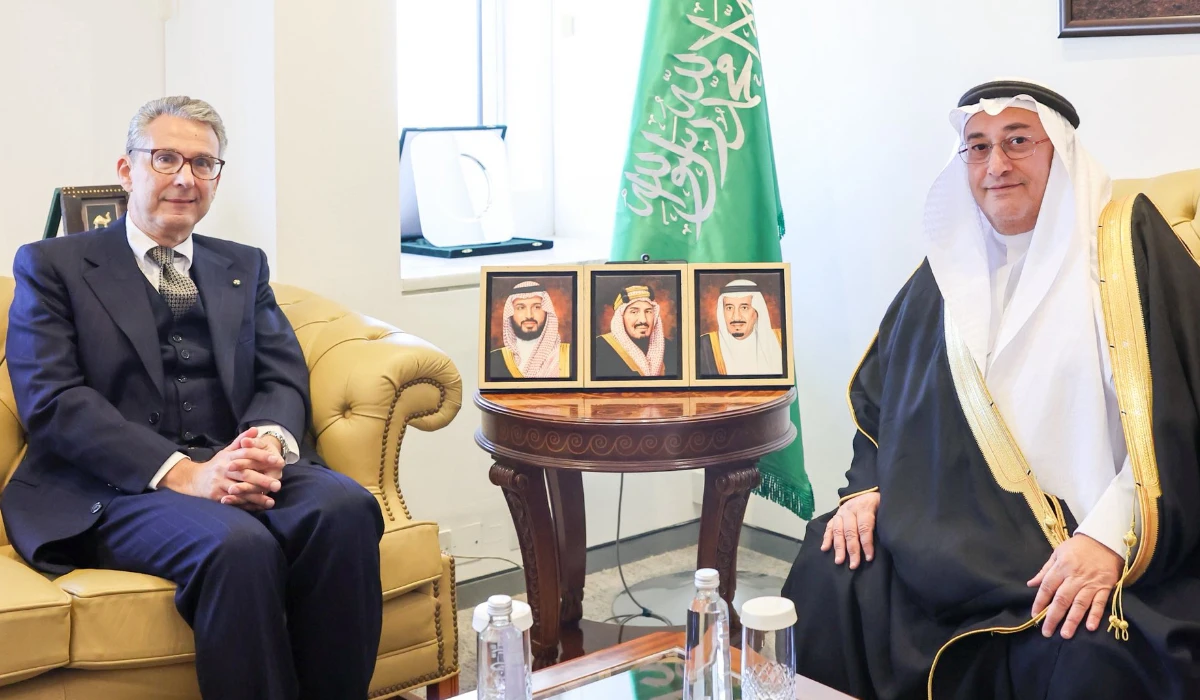
JEDDAH, 4 September — The new health insurance scheme, with an estimated SR1 billion turnover in the first year, will be implemented in more than 600 companies and establishments across the Kingdom from tomorrow.
Dr. Abdullatif Al-Darees, secretary-general of the Health Insurance Council, warned that punitive action would be taken against companies that fail to implement the scheme. “No iqamas will be issued and no transfer of sponsorship will be made to defaulters until they produce proof of having introduced the health insurance scheme,” he told Okaz.
Dr. Adnan Al-Bar, director of health affairs in the Makkah region, called upon private companies to implement the scheme.
“Employees working in the private sector will not be given treatment at government hospitals or health centers,” he added.
The new scheme will be implemented in three phases. It will be applied to companies with more than 500 expatriate workers within one year, those with over 100 workers within two years, and the rest within three years.
Sources close to the insurance market said about 1.5 million expatriate workers would benefit from the scheme in the first year.
There are about six million expatriates in the Kingdom.
According to draft regulations approved by the Cabinet, employers will pay nearly 90 percent of the premium, while employees will bear only 10 percent.
The insurance market in the Kingdom totaled an estimated SR10 billion in 1999, with gross insurance premiums totaling SR2,861 million.
The new scheme will help ease pressure on the Kingdom’s budget. The government presently pays for the medical care of the 22 million people including expatriates.
Although health insurance is now mandatory only for expatriates, Saudi officials privately stress that it would eventually cover all Saudi citizens.
Welcoming the new scheme, Dr. Mohammed Hassan Mufti, chief executive officer at the Security Forces Hospital and a health administration consultant, said there was an urgent need for reining in the ballooning cost of health care to make it easily accessible to the public.