JEDDAH, 15 June 2003 — Saudi Arabia has arrested five more terror suspects linked to the May 12 bombings in Riyadh, Interior Minister Prince Naif was reported as saying yesterday.
“One of them might have played a main role in the attacks,” he told Al-Riyadh newspaper.
The other four may have been either plotters or attackers, “but the degree of their involvement is not yet clear,” the prince added.
He said efforts were still under way to track down the remaining suspects behind the blasts, in which 26 people were killed and some 200 injured.
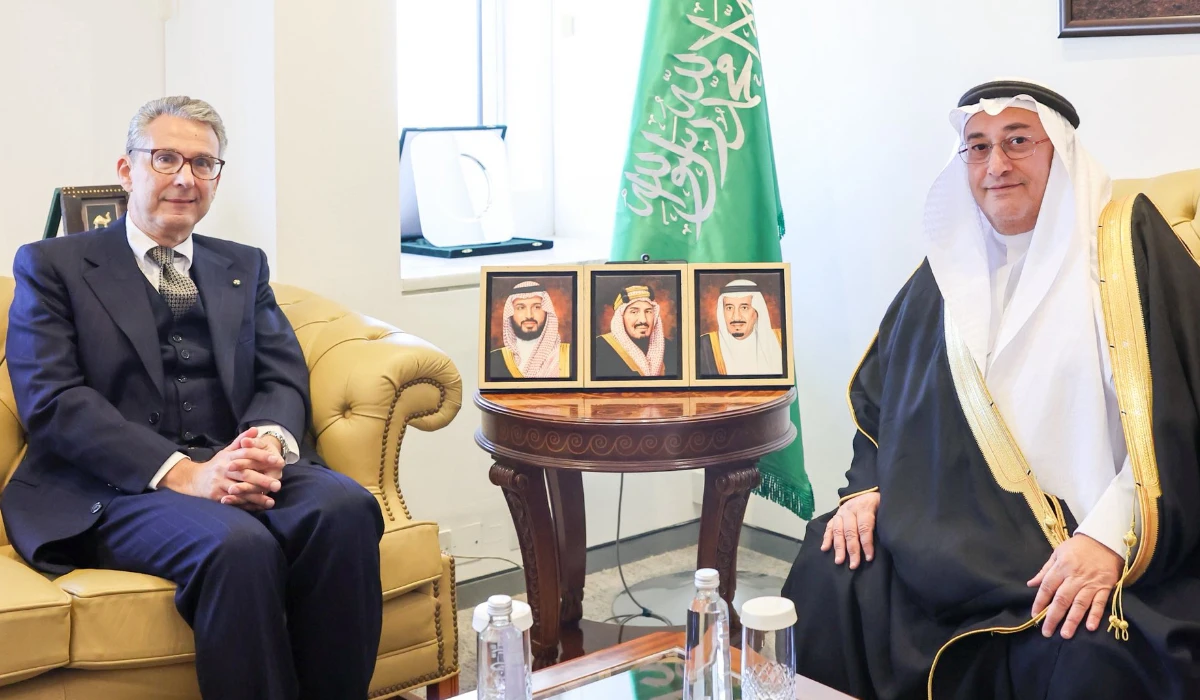
Prince Naif’s statement came before the arrival of Foreign Minister Prince Saud Al-Faisal in Tehran, who, according to Saudi officials, was expected to explore whether terrorist suspects held in Iran included any Saudis.
Speaking to reporters after talks with his Iranian counterpart Kamal Kharrazi, Prince Saud said Iran bore no responsibility for the bombings in Riyadh.
“Iran responsible? Absolutely not,” the prince said in response to a question from reporters.
In his interview with Al-Riyadh, Prince Naif said it was unclear if Iran is holding suspects wanted in connection with the Riyadh bombings.
“The Iranian security apparatus is cooperative, and God willing, if there is anything this cooperation exists. So far, we have no confirmation,” he said.
Iran, which has arrested and extradited several hundred terrorist members to their native countries in the past, says it is serious in fighting terrorist groups and would hand over people currently in its custody to their countries of origin once their identities are established.
Last August, Iran extradited to the Kingdom at least 16 terrorist suspects who entered Iran through Afghanistan.
Referring to the arrest of Ali Abdul Rahman Al-Faqaasi Al-Ghamdi, one of the 19 wanted terrorist suspects, in Yemen, Prince Naif said: “We have not received anything until now from Yemen, but we hope this news to be true.”
Yemeni security officers said a Saudi was arrested Wednesday without valid papers. The officers, who requested anonymity, said it was clear the Saudi was not Al-Ghamdi.
Prince Naif said the five men arrested in recent days, whose nationalities he did not mention, were in addition to 25 people already in detention in connection with the attacks, in which armed assailants drove into three residential compounds of expatriates and set off huge car bombs.
The Kingdom last week announced the names of 12 Saudi nationals who it said were the suicide bombers who carried out the May 12 attacks, which have been blamed on Osama Bin Laden’s Al-Qaeda terror network.
“We have no doubt about it, it’s absolutely clear that it all comes from Al-Qaeda,” Prince Naif told the Arabic daily.
Saudi security authorities were still searching for several other suspects, including 10 members of a cell of 19 uncovered by the Kingdom just a few days before the bombings.
They include Turki Al-Dandani and Ali Al-Ghamdi, the top two on a list of 19 cell members believed to be the masterminds of the Riyadh attacks.
Prince Naif praised security cooperation with Yemen and said it would improve in the near future. The two neighbors last week signed a pact to boost security cooperation and tighten measures along the 1,800-km border to combat arms smuggling, infiltration and terrorism.
In his wide-ranging interview with Al-Riyadh, Prince Naif refuted suggestions that terrorism was the result of unemployment or the product of the Kingdom’s education curriculum.
“This group (which carried out the attacks in Riyadh) was influenced by terrorist and deviant ideas. That has no relation to anything else. It is a big mistake to drag the curriculum into this issue because all Saudis study under the same curriculum. Why then did all of us not become like them (Al-Qaeda suspects)?” he asked.
Prince Naif emphasized the need for tackling the deviant thoughts that breed terrorism and called upon Islamic scholars to play a vital role in this respect. He urged Saudis to stand united in the fight against terrorists. He said the Kingdom would not accept any pressure to delay the implementation of Shariah law. “A criminal must get his punishment based on the Shariah court verdict,” he told Al-Jazirah newspaper.
In Tehran, Prince Saud held talks with Iranian President Muhammad Khatami and former President Ali Akbar Hashemi Rafsanjani, who heads the Islamic republic’s highest political arbitration body. Prince Saud conveyed a message from Custodian of the Two Holy Mosques King Fahd to Khatami. “Khatami and Prince Saud discussed bilateral relations and issues of mutual concern,” the Saudi Press Agency said. According to the news network Khabar, Iran and Saudi Arabia vowed to fight terrorism in all its forms. In a statement issued after Prince Saud’s meeting with Khatami, the two sides also spoke in favor of reinforcing peace and security in the region.
Iranian Foreign Minister Kharrazi was quoted as insisting on the need for “all countries in the region to cooperate in the fight against terrorism and extremism. Cooperation between Tehran and Riyadh exists because terrorism threatens us both.” — Additional input from agencies