JEDDAH, 27 July 2003 — Many in the Western world regard the idea of “Saudi tourism” as an oxymoron. And some inside the Kingdom see it as a grandiose plan of little substance. To many, the newly-formed Ministry of Tourism seems to be just another government department which gives the appearance that something is being done.
While there may have been an element of truth in all that in the past, it is certainly not the view voiced by Prince Sultan ibn Salman, secretary-general of the Higher Commission for Tourism.
“It’s partly our failure here in communicating,” Prince Sultan told Arab News.
“I think even some people here in the organization don’t fully understand what we are trying to do, but we’re fixing that and firing on all cylinders.”
Tourism in the Kingdom is potentially a major source of non-oil based revenue. Predominantly a service industry and heavily reliant on human resources, it offers extremely positive employment prospects. “Our three largest exports are oil, people and money — we want to cancel two of those,” the prince said.
With almost no Western tourists visiting the Kingdom, what exactly is the function of the new ministry?
Prince Sultan cleared up some misconceptions by saying that it is neither there to sell a product that doesn’t exist nor to hype Saudi Arabia’s ability to deliver and then let people down. “It is not a massive marketing program,” he said.
Rather, it’s a deep restructuring of the industry. The challenge is doing it according to the new economic initiative in Saudi Arabia. “Saudi Arabia enjoys a very large tourism sector, but the sector has not been organized yet — it is fragmented and has a lot of problems,” the prince said
Tourism has quite suddenly become a high profile in the Kingdom. Foreign investment has been encouraged to go into the tourist sector. Why is the new push toward developing tourism happening now as opposed to perhaps five years ago?
Prince Sultan sees that as a result of external forces.
“Rather than an internal urge to grow tourism, it has grown worldwide. It’s an industry that has imposed itself on the economy of nations. Saudi Arabia’s economy has been greatly affected by its activities. Tourism in Saudi Arabia today is perhaps the second largest contributor to the national economy. You can’t really ignore the second largest contributor and leave it in the disorganized state it is in today.”
Part of the challenge of reorganizing the industry is to attract not only foreign but the return of Saudi capital invested abroad. “I think for us the biggest challenge is to attract Saudi money that is invested all over the place. Saudi money is very smart money these days and Saudi investors have invested in tourism worldwide.”
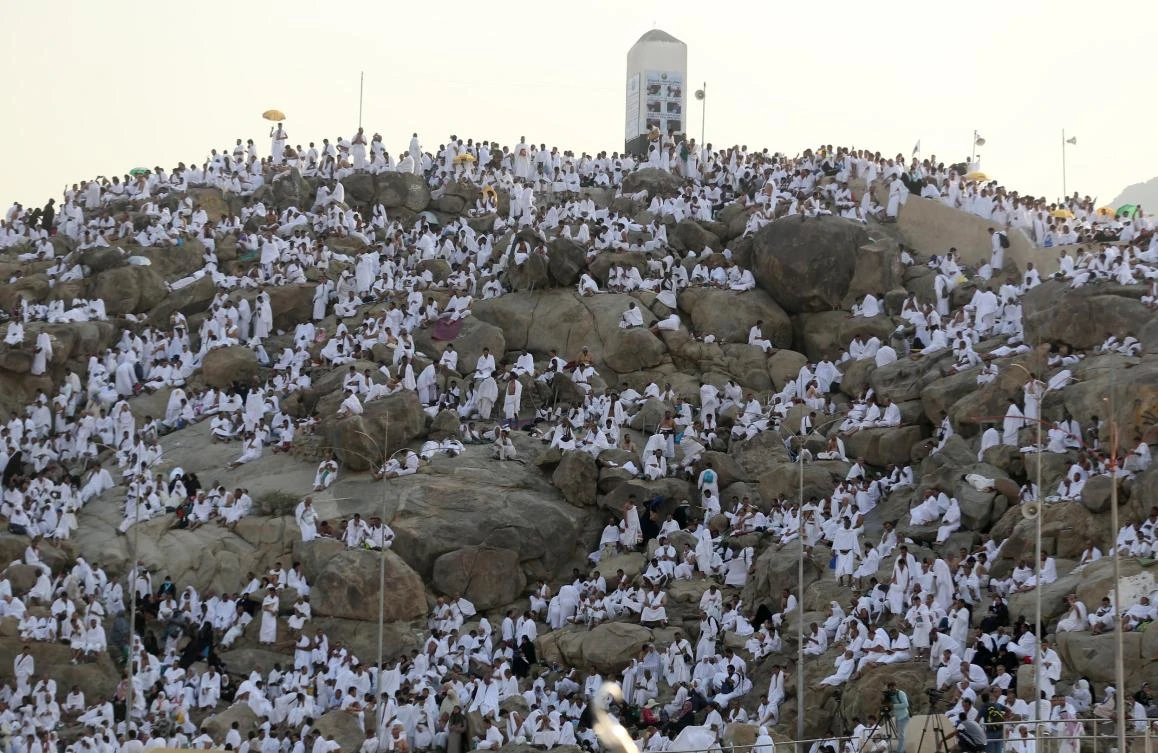
With a current tourist market in the Kingdom of about 14 million Saudis and six million Haj and Umrah visitors, there is a huge untapped source of revenue — subject to the provision of attractive facilities and efficiently organized services. Mass international tourism — Western tourism — is not on the agenda. The aim for the foreseeable future will be more to local and more toward Umrah and Umrah Plus programs, the GCC countries and people visiting their friends and relatives.
International tourists will certainly form a part of the market mix. “We are keen and we will be going after high quality group tourism from the international community,” said Prince Salman.
“It’s nothing to be ashamed of if you are choosy and selective about the kind of tourist you want, especially in a country like Saudi Arabia. We are not the kind of country that has to have tourists at any cost, or at any price.”
He cited the example of Bhutan, the mountain kingdom northeast of India. Its tourism is strictly controlled as their economy has no need of tourist money.
“This is exactly the whole model we want. Saudi Arabia is not in a rush to bring international tourists — I think the rush for me is not economic. For me the rush is cultural. I would like people to come here and see more of the culture of the country and interact, seeing normal people walking about and leading their lives.”