ISLAMABAD, 5 October 2003 — President Pervez Musharraf has warned he would not let extremist religious minorities hijack the country and threaten its security, official media reported yesterday.
Musharraf delivered the warning in a speech to a gathering of businessmen late Friday after unknown assailants gunned down six Shiites in the restive southern port of Karachi, the country’s financial and industrial capital.
“No external threat can harm Pakistan. The enemy lies within,” Musharraf said.
Musharraf has frequently called for enlightened moderation and curbing religious extremism within Pakistan, which has been plagued by decades of sectarian violence linked to fanatic groups from the majority Sunni and minority Shiite communities. The unrest has claimed hundreds of lives in the past several years.
He said Pakistan had an intelligence network, a special operation task force and a fully mobile reaction force to combat extremists.
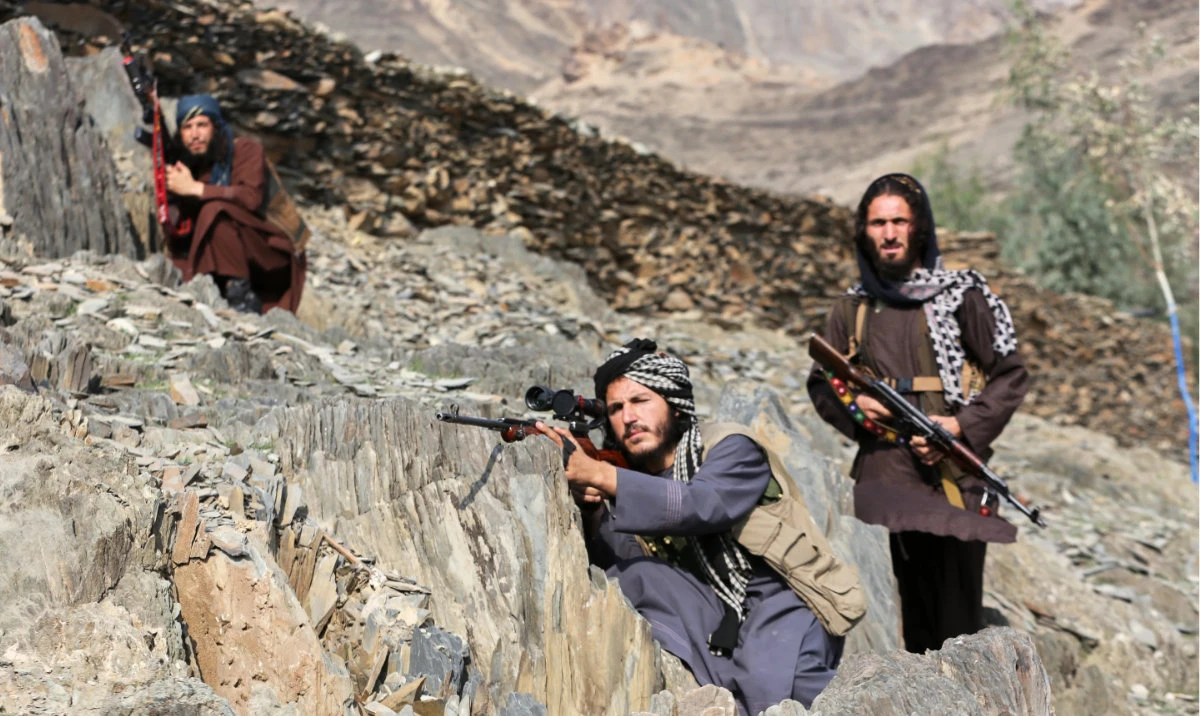
Musharraf said he would not allow the country to be “used or misused by international extremists,” referring to Thursday’s lightning strike by troops in a remote tribal area on the border with Afghanistan.
Eight Al-Qaeda suspects were killed and 18 were arrested in the operation in South Waziristan tribal region. Two soldiers died and one was injured in the operation.
“There will be no extremist here in Pakistan,” Musharraf, a key US ally in the international war against terrorism, said.
“The vast majority of Pakistanis are moderate and the unenlightened minority should not be allowed to hijack the religion. Acts of a small minority ... spreading sectarian and religious hatred bring a negative sound bite to both the religion and the country in the outside world.”
Pakistan has arrested about 500 Al-Qaeda suspects, the majority of which have been handed over to the United States.
Pakistan Rejects Doubts Cast by
India on Origin of Its Missiles
Pakistan yesterday dismissed India’s doubts about the origin of its missile technology as “typical Indian behavior to divert attention from its own dismal proliferation record”.
Indian Defense Minister George Fernandes suggested after Pakistan tested its Ghaznavi missile on Friday that it might have been acquired from North Korea or China.
A Pakistan Foreign Ministry spokesman responded that the international community had to establish the Missile Technology Control Regime (MTCR) in the 1980s “precisely because of India’s diversion of imported missile technology for military purposes”.
India followed the pattern of its diversion of nuclear technology for conducting its so-called peaceful nuclear test in 1974, he added.
“India’s dependence on imported technology continues and is manifested in its current feverish attempts at seeking to lift Western embargoes over its nuclear and rocket programs as well as seeking missile defenses.
“If India was really that capable indigenously, the question arises as to why it is so desperate to seek foreign technology in these sectors,” the spokesman asked.
Pakistan has said it will carry out more missile tests in the coming days.
A missile race runs between India and Pakistan parallel to their nuclear race. India has been developing indigenous ballistic missiles for nearly two decades under its Integrated Missile Development Program.