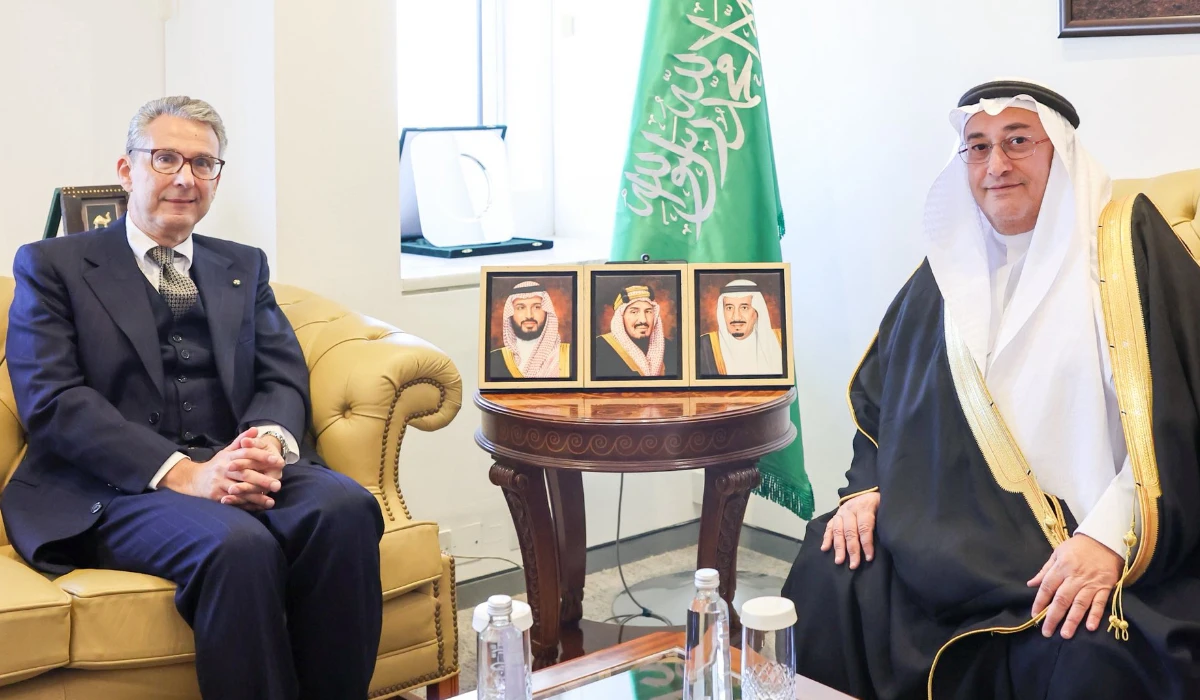
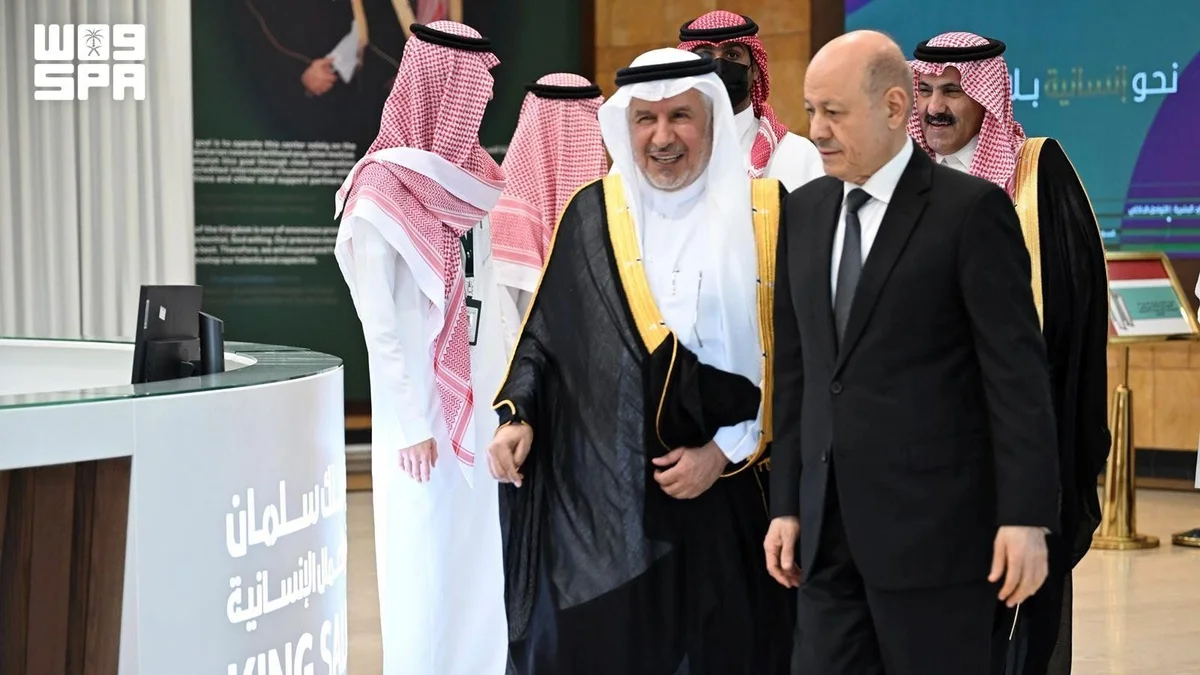
RIYADH, 27 October 2003 — Saudi Arabia and China have launched a joint initiative to reactivate the road map for peace in the Middle East. The two countries will work for an end to the cycle of violence and to bring Palestinians and Israelis back to the negotiating table.
This approach was announced at a press conference held yesterday at the Royal Conference Palace by Wang Shijie, Chinese special envoy on the Middle East, following his talks with Crown Prince Abdullah, deputy premier and commander of the National Guard.
Wang arrived here for talks during which he briefed the crown prince on his discussions in Egypt, Syria and Lebanon. He later left on the last leg of his tour to Palestine and Israel. China created the special post of a Middle East envoy after Sept. 11, 2001 to increase its presence in the region at both the political and economic levels.
During his visit, the Chinese envoy also met with Prince Sultan, second deputy premier and minister of defense and aviation. He would not, however, elaborate on the details of their talks. He also held talks with senior officials in the Ministry of Foreign Affairs.
Concerning his meeting with Prince Abdullah, Wang said both countries emphasized the need to implement the relevant UN resolutions calling for the exchange of land for peace. He said China also supported the crown prince’s initiative, subsequently adopted as the Beirut Declaration, calling for the establishment of normal relations with Israel once it pulled out of the occupied territories in Palestine and the Golan Heights in Syria.
In response to a question on continued Israeli incursions into Palestinian territory, Wang said that once there is a ceasefire, there should be an effective international monitoring mechanism under UN supervision. The Chinese position reflects that of the Palestinian Authority which has called for international observers to monitor the situation.
Asked about China’s position on the situation in Iraq, the envoy said his country’s position is similar to that of the Arabs who believe that Iraqis should be in charge of their own security.
Wang ruled out the possibility of Chinese troops being sent to Iraq, even though the US-sponsored resolution was adopted unanimously by the Security Council.
He said both China and Saudi Arabia shared identical perceptions on the Middle East, especially over the issue of targeted killings by Israelis and the illegal security fence that Israel is constructing inside the Palestinian territory. “The fence is an obstacle to peace and will not serve the security interests of Israel,” he stated.
Wang also called for a halt to Palestinian suicide attacks inside Israel.