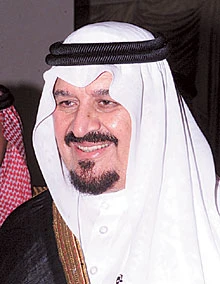
JEDDAH, 5 December 2003 — The reform of Saudi Arabia’s education system aims to promote moderation and tolerance of other opinions and to meet the needs of the job market, according to Prince Sultan, second deputy premier and minister of defense and aviation.
He said the reforms would also strengthen the students’ understanding of Islam and retain the emphasis on religious subjects as the basis for the country’s education system.
A committee of prominent scholars completed its study of the matter and forwarded its findings to the higher authorities.
“The reforms aim to strengthen morality, flexibility, openness to dialogue and respect of other opinions while retaining religious subjects as the basis of our education system,” Prince Sultan told the Saudi Press Agency.
The issue of educational reforms was raised before the Sept. 11 attacks on New York and Washington when officials highlighted the need to meet the growing needs of the labor market.
Although educational reform gained greater urgency after Sept. 11, Prince Sultan said the reforms were being carried out at the initiative of the government and not in response to pressure from abroad.
Last month the government allocated SR3.7 billion to train 100,000 young Saudis and announced the establishment of 20 new technical colleges for 60,000 students and of 39 technical training institutes for 40,000 students.
Prince Sultan chairs the committee reviewing the education system which was set up at the directive of Crown Prince Abdullah, deputy premier and commander of the National Guard. Its members include the chairman of the Shoura Council, the chairman of the Presidency of the Two Holy Mosques Affairs, the ministers of justice, Islamic affairs, education, higher education, water and electricity, the secretary-general of the Muslim World League, and prominent academics.
The prince said the review aimed to reform the entire system in line with the needs of the job market. “This will provide employment opportunities for our sons and daughters... whether in the public or private sector,” he said.
Critics of the current system say it is weighed so heavily toward theoretical studies that many students are ill-qualified and ill-equipped for work. Saudi Arabia, he said, had talented and qualified citizens who acquired extensive experience in the Kingdom or abroad. The committee had sought the expertise of many of them in such areas as the Shariah, social and physical studies and compiling of textbooks.