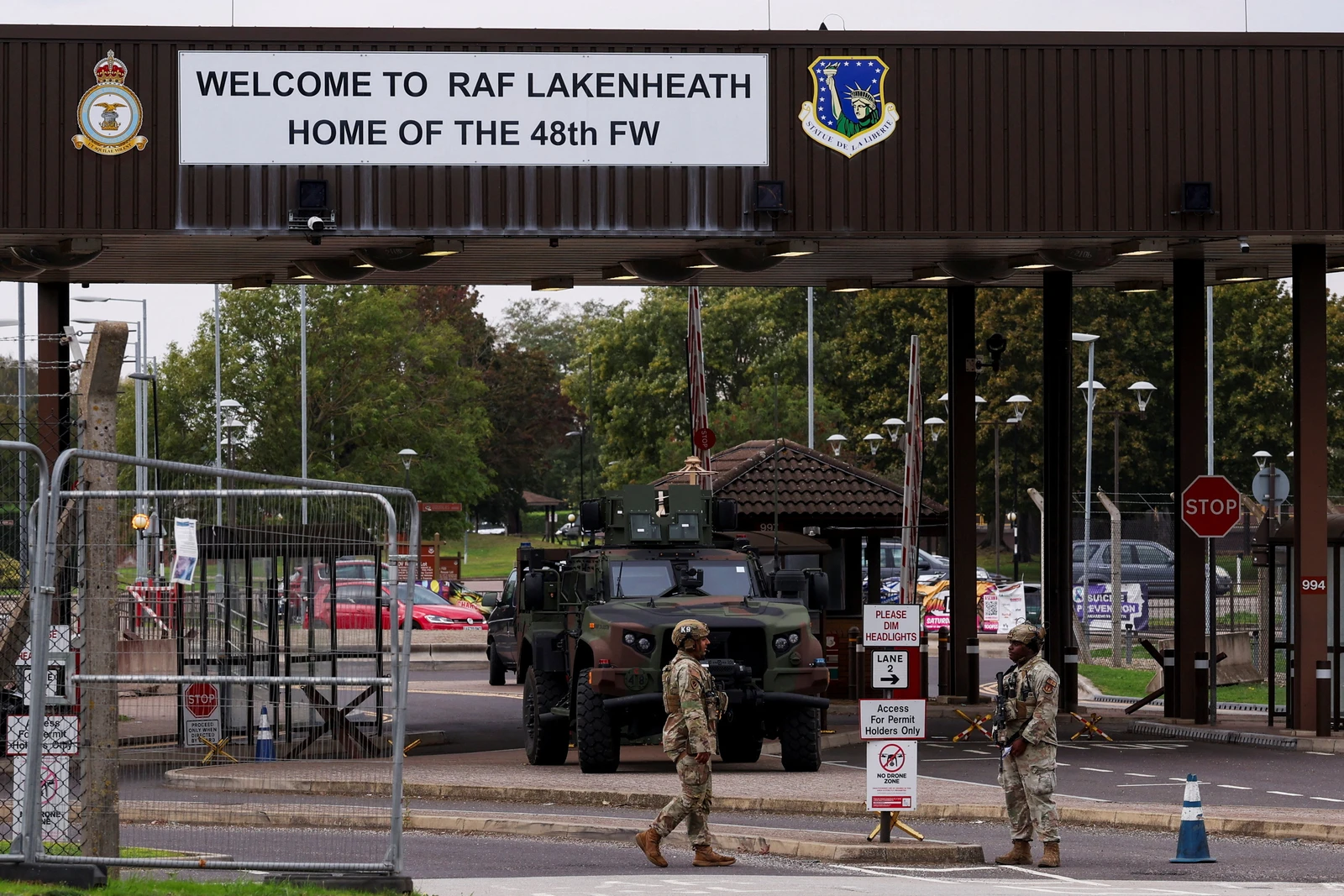
TRIPOLI, 26 January 2004 — The sight of the white jet taxiing down the tarmac yesterday left no doubt that one of the world’s pariah states was coming in from the cold.
The jet bore the words “United States Navy,” and from it emerged seven members of US Congress, who heaped words of praise on the recent reforms of Col. Muammar Qaddafi.
“We’re very excited about opening this new chapter in our relations,” said Rep. Curt Weldon, a Republican from Pennsylvania, who stepped off the plane wearing a pin with the American and Libyan flags.
“I’d say the Libyan leader has taken the first step,” Weldon said, adding: “Once our governments have completed the process of formal relations, there is no limit to what we can accomplish together.”
Rep. Solomon Ortiz, a Democrat from Texas, put it more simply: “We want to be friends.”
The US military aircraft was the first to touch down in Tripoli since 1969, when Qaddafi seized power.
In the interim, American warplanes have flown only overhead, notably in 1986 when they launched attacks that killed 37 people, including Qaddafi’s adopted daughter, in retaliation for the bombing of a German disco that killed a US soldier and a Turkish woman.
The United States imposed sanctions that year, accusing Libya of supporting terrorist groups. Ten years later, America said it would penalize the US partners of European companies that did significant business in Libya and Iran.
“I don’t think we can change history, but we also understand we can move together toward a new beginning,” Weldon said.
Over the last year Qaddafi has made a startling turn-around. He admitted his country’s involvement in the 1988 bombing of a Pan Am jetliner over Lockerbie, Scotland, and agreed to pay $2.7 billion to the victims’ families.
He also admitted he had tried to develop weapons of mass destruction — including a nuclear bomb — and invited UN, American and British inspectors to inspect his weapons programs and dismantle them.
Some have suggested that Libya didn’t want to face the kind of war that drove Saddam Hussein from power in Iraq last year. But diplomats say Libya appears to have made a firm decision to remake itself in 2002, before the United States launched its war on Iraq.
Qaddafi’s decisions followed months of secret negotiations with the United States and Britain. After Libya admitted in September its involvement in the Lockerbie bombing, the UN Security Council voted to lift its sanctions, but the United States is waiting for Qaddafi to follow through on the rest of his pledges before doing the same.
The lawmakers indicated that barring any changes of heart, diplomatic ties could soon be restored.