JEDDAH, 29 January 2004 — There is a “great hope” of a lasting peace in Jammu and Kashmir, the state’s chief minister, Mufti Muhammad Sayeed, said here yesterday.
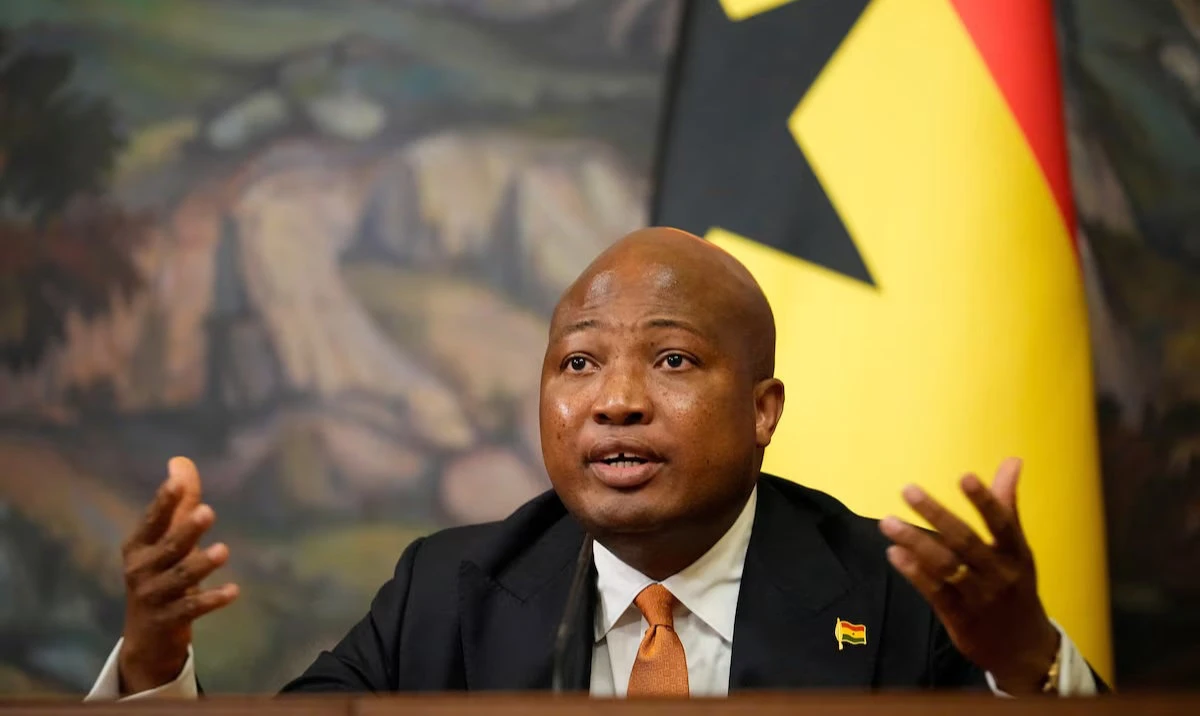
Sayeed, who is leading an official goodwill Haj delegation from India, was in confident mood at a press conference at Jeddah’s Trident Hotel.
“After 56 years, people of both India and Pakistan have realized that enmity has not paid dividends and have been clamoring for peace.” They know that they live in a globalized world and that realities on the ground are very different. The “hand of friendship and good neighborly relations extended by India” had also made a difference — resulting in “the present peaceful situation”.
“God has made our state beautiful. For us, it’s a return to paradise with the healing touch policy,” he said, referring to the decade and a half of strife that had ruined the state’s economy and social fabric. The will of the people had finally prevailed, he said, and they want to live in peace and with dignity.
“People are now confident and are busy conducting winter sports like ice hockey. It’s all a change of scenario, with Kashmir becoming a destination for all seasons.”
He attributed the sea-change to Prime Minister Atal Behari Vajpayee and what he called the prime minister’s “peace process for promoting friendship with neighbors and good neighborly relations.”
Sayeed rejected the idea that the cease-fire in the state was done at the behest of the superpower. “India is itself a country of a billion people and it cannot be dictated by any other country. India itself is now a great power,” he said.
On the issue of the abrogation of Article 370 of the Indian constitution which had given special status to the only Muslim majority state, he said: “The BJP, which leads the ruling National Democratic Alliance government at the federal level, may have talked about abrogation but the NDA government has never shared the BJP contention.
We’ve been given certain guarantees. The NDA government is soft toward us and in full agreement in endorsing our policies,” he said, adding that “Kashmiri pundits” (local Hindus), who “were two percent of our state population and deserted the state due to fear of attacks”, would certainly start coming back. “Their return is on the cards.”
Local tourism has bounced back with many visitors coming to the state throughout the year, Sayeed said, adding that various festivals are once again being celebrated in the strife-torn state.
“When you start a process and negotiate, all matters, including Kashmir, can be taken care of. In fact, people of the state have already developed contacts with Kashmiris across the border.”
Haj arrangements for Indian pilgrims are excellent, he said, although there was always “scope for improvement”.
“For the past six months the Indian mission has made efforts that has resulted in finding accommodation for our pilgrims as close to the Holy Haram as possible.”
On the question of pilgrim subsidies, he said that there was no need to support those pilgrims who were well off and could afford the annual pilgrimage. He had performed Haj once before, in 1995.
Some 115,000 pilgrims have arrived from India and are now in Makkah. Of these, 71,707 have come through the Haj Committee of India. The remaining pilgrims, who include Indians resident in third countries, have been brought by private tour operators.