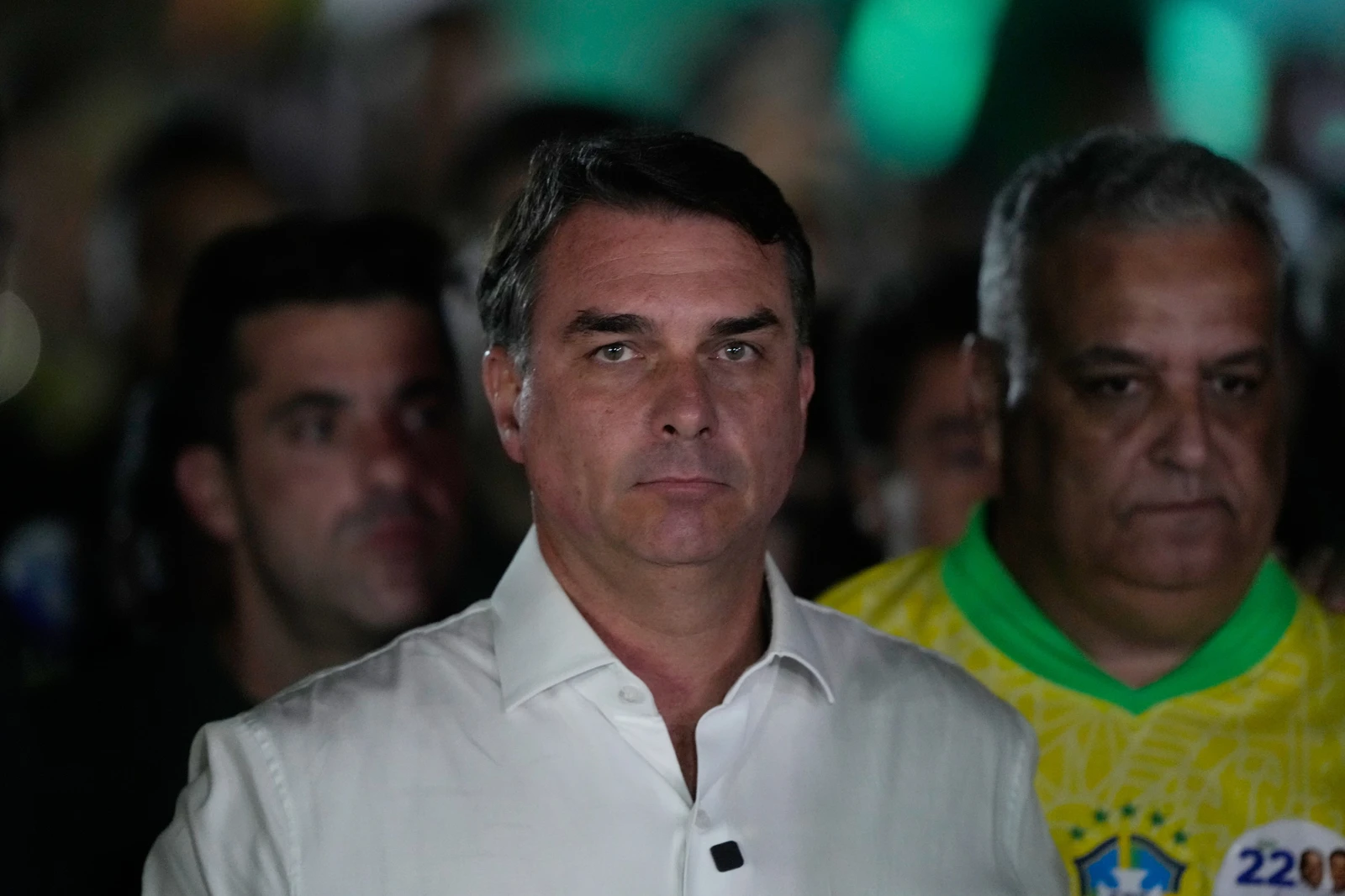
KHARTOUM, 4 April 2004 — Sudan’s Islamist opposition leader Hassan Turabi has been charged with a raft of offenses against the state and is to be tried before a special court, the independent Sudanese Media Center reported yesterday. Turabi, who was arrested Wednesday, is accused of “incitement to sedition, hatred of the state, sabotage and undermining the regime” and is to be tried before the state security court, it said.
The opposition Popular Congress leader, who was detained amid government allegations of a coup attempt by sympathizers of a rebellion by indigenous minorities in the western region of Darfur, had only been at liberty for six months since being freed from three years of house arrest last year.
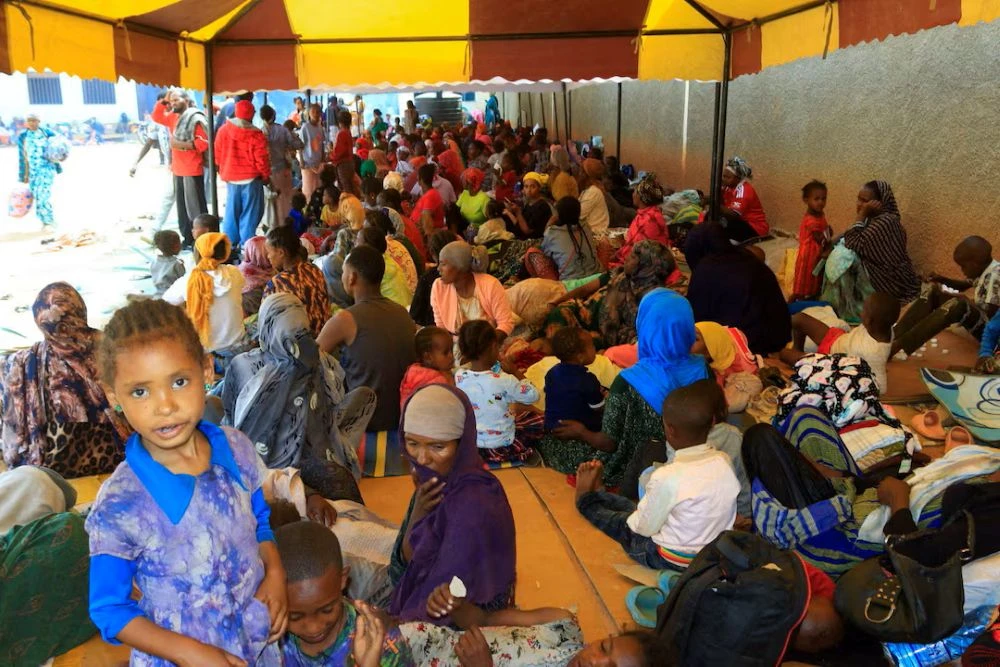
A one-time mentor of President Omar Bashir, Turabi has been increasingly critical of the scorched-earth policy adopted by the government in Darfur, where the United Nations says at least 10,000 have been killed and hundreds of thousands left homeless by clashes between the rebels and government-backed militias.
Militias are conducting an organized campaign of ethnic cleansing to drive out black Africans from Darfur region and the government is doing little to stop it, the UN emergency relief coordinator said in New York on Friday. “I have no reason to believe that the government is actively planning it, but I have reason to say that little is done to stop it, and therefore it seems as if it is being condoned,” Jan Egeland, the world body’s humanitarian affairs chief, said after briefing the Security Council.
“Scorched-earth tactics are being employed throughout Darfur, including the deliberate destruction of schools, wells, seed and food supplies, making whole towns and villages uninhabitable,” he said, describing an “organized campaign” that has driven hundreds of thousands from their homes and triggered “one of the world’s worst humanitarian crises.”
Two rebel groups, the Justice and Equality Movement and the Sudan Liberation Movement, launched a revolt in the Darfur region in February of last year, accusing Khartoum of neglecting the poor area bordering Chad and arming Arab militias to loot and burn African villages.
But other parts of the arid nation, Africa’s largest in size, have been mired in two decades of civil war, fueled by religion, ethnicity, oil and political ideology.
Darfur peace talks opened this week in N’Djamena, the capital of neighboring Chad, where the United Nations says tens of thousands of Darfur refugees have fled.
Sudan’s UN ambassador, Elfatih Mohamed Ahmed Erwa, predicted the peace talks could take anywhere from two weeks to two or three months to reach a deal but accused UN officials of inflating the gravity of the crisis. “It is inflated in its real magnitude, I think in both the number of people displaced, the number who have died and also the number of refugees,” he told reporters.