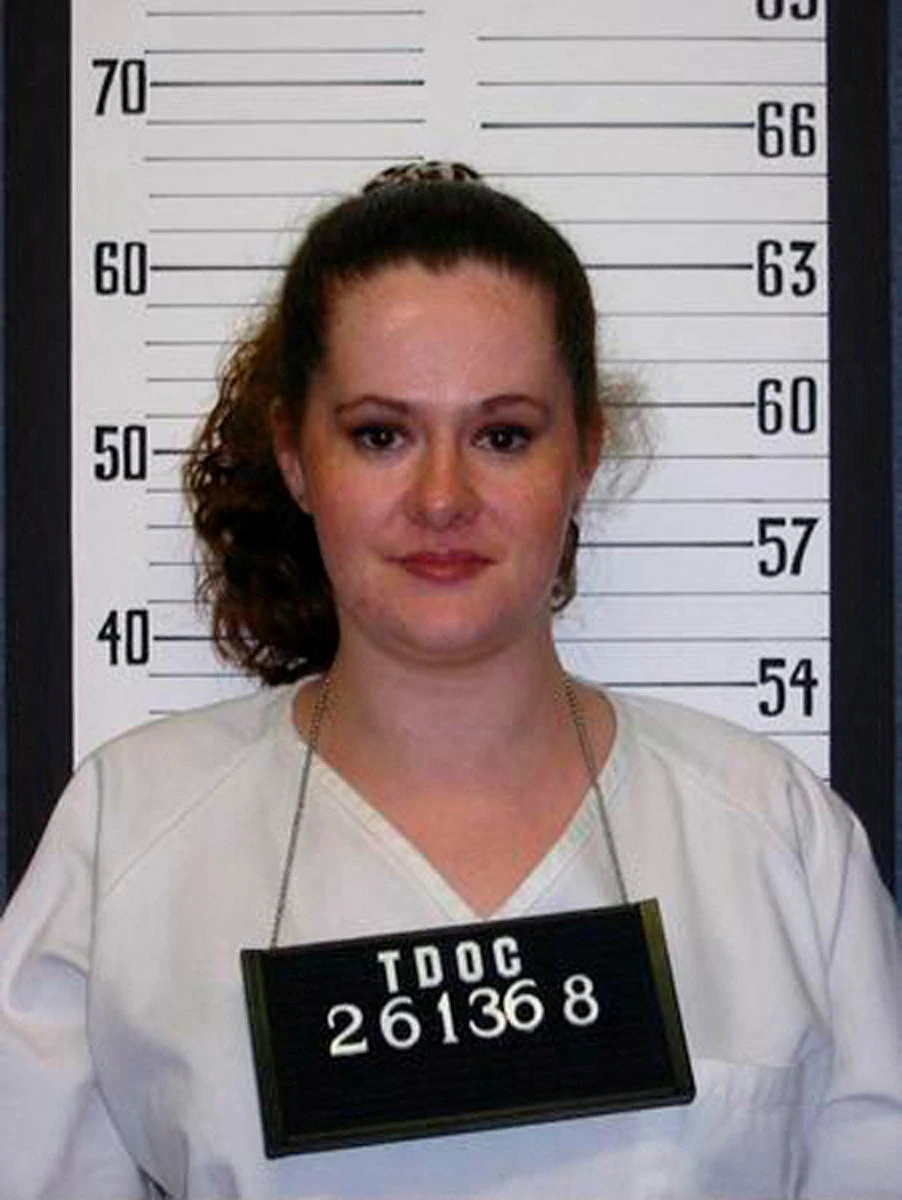
JERUSALEM, 27 July 2004 — A US peace activist, who spent 34 days in police custody after arriving in Israel to film a protest against the West Bank wall, slammed on her release yesterday accusations that she was a “threat to national security.”
The judge “called my camera ‘a weapon’ ... I believe this is the real reason I was denied entry for 34 days and why it was necessary to use a system of ‘secret evidence’ against me,” 44-year-old Ann Petter told reporters, pointing to the fact the reasons for her arrest were never disclosed.
She said she had been to the West Bank last year in a visit coordinated with the pro-Palestinian International Solidarity Movement (ISM) that opposes Israel’s occupation of the West Bank an Gaza and that her past “nonviolent” work here “formed the basis of denying me entry to Israel.”
“By preventing international activists from entering the country, the Israeli government is sending the message that nonviolent resistance is not acceptable,” she said, adding that such an attitude only served to fuel the Palestinian armed struggle.
“My ordeal shows the Israeli government’s policy toward protest and its mislabeling of political issues as ‘security issues’. We are fighting for free speech here, the rights to protest,” she said. She said her embassy had declined to help secure her release, arguing she should not have opposed deportation.
Petter, from New York, was arrested when she landed at Ben Gurion airport on June 23 but a Tel Aviv tribunal ordered her release last week if she put up a $12,000 bond. She managed to gather the money on Sunday, her lawyers added. The tribunal reversed an expulsion order by the interior ministry which had classified Peter a “threat to national security” given her ties to ISM.
Meanwhile, Palestinians yesterday vowed to exact their revenge on Israelis and collaborators as around 10,000 mourners attended the funerals for six fighters shot dead by Israeli Special Forces. Relatives of the six, all members of the radical Al-Aqsa Martyrs’ Brigades movement, said that they had been gunned down without warning from the elite Israeli unit as they sat in the street in the northern West Bank town of Tulkarm on Sunday night.
A group describing itself as the Battalion of the Black Hands told the mourners in an address delivered over loudspeaker that the “collaborators” who had tipped off the Israeli forces about the presence of the militants would be brought to “justice”.
“We have established this battalion to open a file on the collaborators. We will judge these traitors and they will face justice in front of the people,” an announcer said. Palestinians suspected of collaborating with the Israeli occupation forces have previously been executed on the streets in the northern West Bank.
Israeli Prime Minister Ariel Sharon said there is no turning back on his Gaza withdrawal plan, even after 100,000 Israelis mounted the biggest protest so far against evacuating Jewish settlers from the coastal strip. “I decided to proceed with the disengagement plan because it is clear that Israel cannot remain in the Gaza Strip forever,” his office quoted him as saying.
But Sharon still faces more trouble from rebellious ministers of his own rightist Likud party who led a rally on Sunday night to denounce his bid to forge a unity government with the centre-left Labour party to carry out the Gaza pullout.
Addressing an officer training course, Sharon insisted he “does not intend to go back on the plan in light of the severe ... economic and security situation Israel would find itself in if it had no diplomatic plan,” his office said yesterday.
Sharon renewed his pledge on Sunday during a daylong protest in which settlers and their right-wing supporters formed a human chain stretching from Jerusalem to the Gaza Strip. It was a fresh sign of the obstacles Sharon must overcome to implement his US-backed blueprint for “disengaging” from conflict with the Palestinians by removing all 21 settlements in Gaza and four of 120 in the West Bank by the end of 2005.