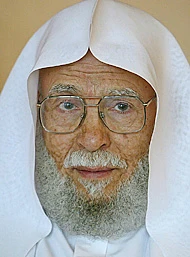
JEDDAH, 13 August 2004 — Muslim World League Secretary-General Dr. Abdullah Al-Turki has said that the MWL would work to solve the Darfur crisis in coordination with other Islamic organizations. “We’ll encourage various ethnic groups in the region to end their dispute through dialogue in the interest of the Islamic nation,” he said in a press statement.
Dr. Turki, who recently met with Sudanese President Omar Bashir and other top officials and visited refugee camps in Darfur, emphasized the need for cooperation among Islamic organizations to settle the humanitarian crisis in Darfur and to foil the efforts of certain interest groups to exploit the situation.
The MWL chief stressed that foreign intervention in Darfur would only complicate the issue, which has been exaggerated by the media. “The move to exploit Darfur crisis to create division between Arabs and Africans will only serve the interests of Zionists and other enemies,” he added.
Dr. Turki made the statement as the MWL launched an aid campaign for the benefit of refugees living in Darfur’s camps. Its aid included emergency supplies such as food, medicines and tents.
He called upon the international community to support the Sudanese government’s efforts to establish peace and security in the impoverished region.
Meanwhile, Sudanese Vice President Ali Othman Mahmoud Taha, who met with the MWL delegation yesterday, said certain interest groups were projecting Darfur as the biggest humanitarian crisis to turn world attention away from the Zionist crimes in Palestine.
The vice president accused that the southern rebel movement of John Garang had played a big role in politicizing the Darfur problem. “Garang’s movement encouraged armed groups to attack police stations in Darfur and they killed hundreds of people. They also triggered tribal war in the region,” Taha told the MWL delegation.
He said the Sudanese government had carried out a number of development projects worth $75 million in Darfur in cooperation with the Islamic Development Bank and other aid agencies. “But the United Nations and other donor agencies fulfilled only 37 percent of their commitments,” the vice president said.
On Wednesday, President Bashir pointed out that only 20 percent of Darfur’s population was affected by the present tribal conflicts. “There are five million people in Darfur, of whom four million are not affected,” he told the delegation.