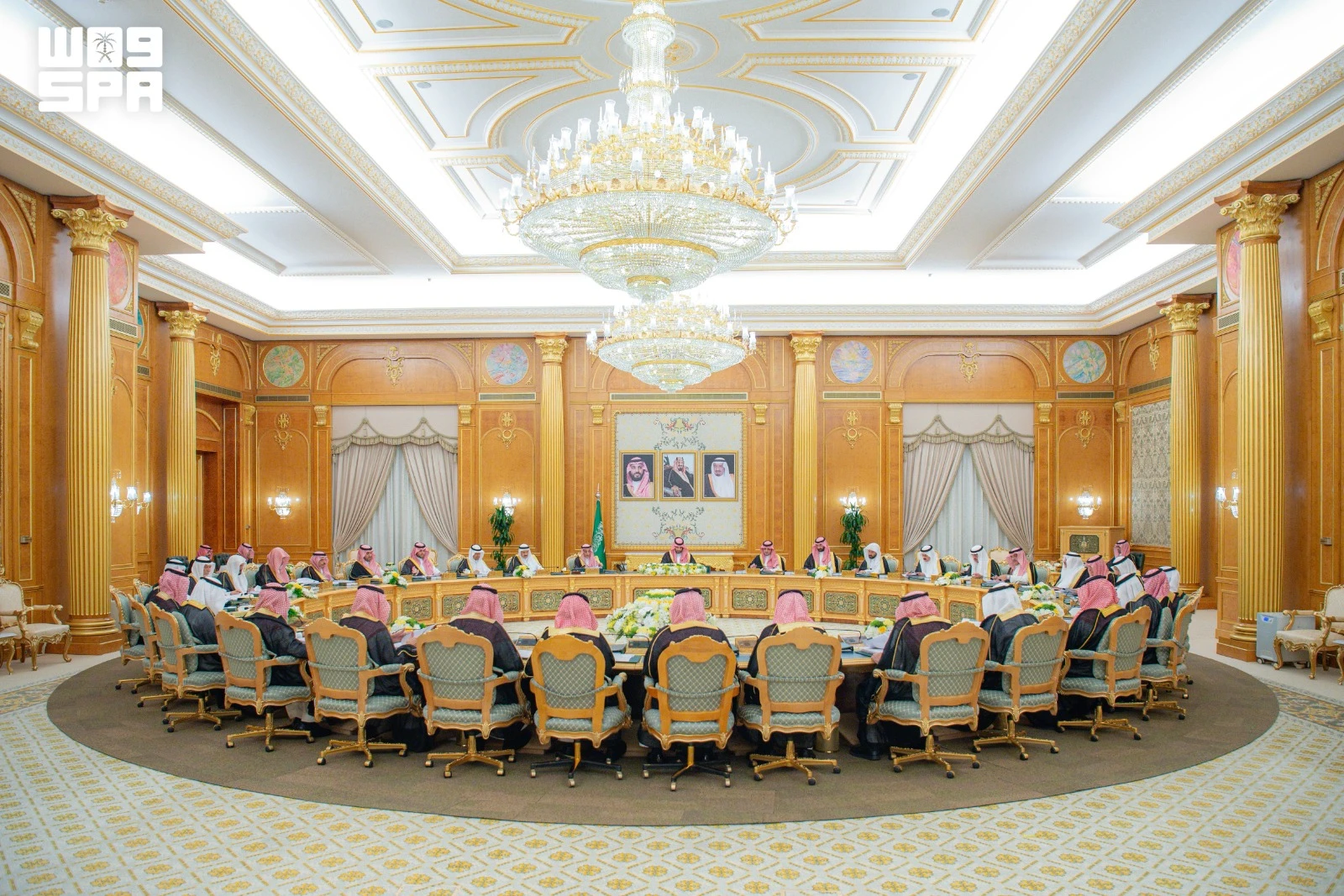
JEDDAH, 30 August 2004 — Saudi Arabia will use this year’s budget surplus to repay some of its public debt estimated at SR660 billion ($176 billion), it was announced here yesterday.
“The Cabinet and the Supreme Economic Council have agreed to use the budget surplus this (financial) year to repay some of the public debt,” Finance Minister Dr. Ibrahim Al-Assaf said.
The minister, however, said that it was “still too early” to estimate oil revenues for the current fiscal year but confirmed reports that they would exceed budget forecasts.
The government has projected an SR30 billion ($8 billion) deficit for fiscal 2004. Total revenues were estimated at SR200 billion ($53. 33billion) and expenditures at SR230 billion ($61.3 billion).
But some private forecasts expect total revenues to be nearly double the official estimates due to the surge in world oil prices, and have projected a budget surplus as high as SR131 billion ($35 billion).
Riyadh has seen its oil receipts soar as world prices have neared $50 a barrel on the back of security fears in Iraq.
Al-Assaf also said that the Kingdom’s public debt reached SR660 billion according to last year’s figures. “Payment of public debts gives the state greater flexibility to spend on development projects,” Al-Eqtisadiah business daily quoted Al-Assaf as saying.
The 2004 budget includes new projects amounting to SR41. 6 billion ($11.1 billion), mostly in the areas of education, health care, social development, roads, municipalities and water services and SR15.1 billion ($4 billion) for other infrastructure projects.
Saudi Arabia posted a $12 billion surplus in fiscal 2003, the first non-deficit budget since 2000, thanks to a rise in oil prices coupled with a production hike.
Referring to the recent Cabinet decision to sell the government’s stakes in the National Company for Cooperative Insurance (NCCI), Al-Assaf said: “The ministry has already contracted financial, legal and insurance consultants to prepare for the floatation before the end of this year.”
The Supreme Economic Council decided in May to sell state shares worth SR250 million in NCCI, which has a capital of SR500 million. The General Organization for Social Insurance and Pension Fund are expected to maintain their stake (25 percent each) in the Kingdom’s only officially recognized insurance company, which has five million shares.
On the protective tax imposed by Egypt on Saudi petrochemical exports, the minister said he hoped that the ongoing contacts with Egyptian authorities would lead to a breakthrough on the issue.
Al-Assaf, who attended a ceremony organized by his ministry to honor its retired staff on Saturday night, estimated the total number of retired civilian and military officers at 328,000. The government has so far spent SR140 billion on them as pension.
The number of civilian and military officers retiring this year reached 25,000, the minister said, adding that it would require additional spending. At present the state spends SR1.3 billion monthly on retirees, he pointed out.