ABUJA, 16 September 2004 — One of the two rebel movements from Sudan’s Darfur region said yesterday peace talks with the government had collapsed after three weeks of negotiations here.
Rebels from the Justice and Equality Movement (JEM) group said the talks failed after continuing disagreements with the Khartoum government over security issues, but they hoped to resume discussions in a month.
“Basically the talks on security issues have collapsed, but we hope to resume in four weeks,” JEM negotiator Ahmed Mohammed Tugod said. Delegates from Darfur’s other rebel group, the Sudan Liberation Movement (SLM) were still undecided whether they would continue participating in the talks after a private morning meeting.
“We have not arrived at a decision on the talks yet. We are on break now but we will reconvene later today to decide what next to do,” said SLM spokesman Abdulhafiz Musa Mustapha after SLM officials met at an Abuja hotel.
Sudanese government delegates denied the talks had collapsed, saying a meeting had been scheduled for later between African Union mediators and all the warring parties. African Union officials were not available for comment.
The talks are aimed at finding a political solution to the conflict, which has been labeled the world’s worst humanitarian crisis by the United Nations.
Rebels have insisted throughout the talks that they would not sign any humanitarian protocol unless the Sudanese government agreed to key security demands such as the disarmament of the pro-government Arab Janjaweed militia, and a no-fly zone over Darfur.
The Sudanese government has meanwhile insisted that rebels must start moving their troops to containment areas. They also deny they back the Janjaweed, calling them outlaws.
The two sides had already agreed in principle to cooperate on allowing greater access for humanitarian agencies and setting up a joint humanitarian monitoring unit in Darfur, but are yet to sign the pact.
In Cairo, Sudan’s foreign minister rejected yesterday a revised UN Security Council draft resolution threatening to consider sanctions on Sudan and said it had complicated talks on Darfur between rebels and Khartoum.
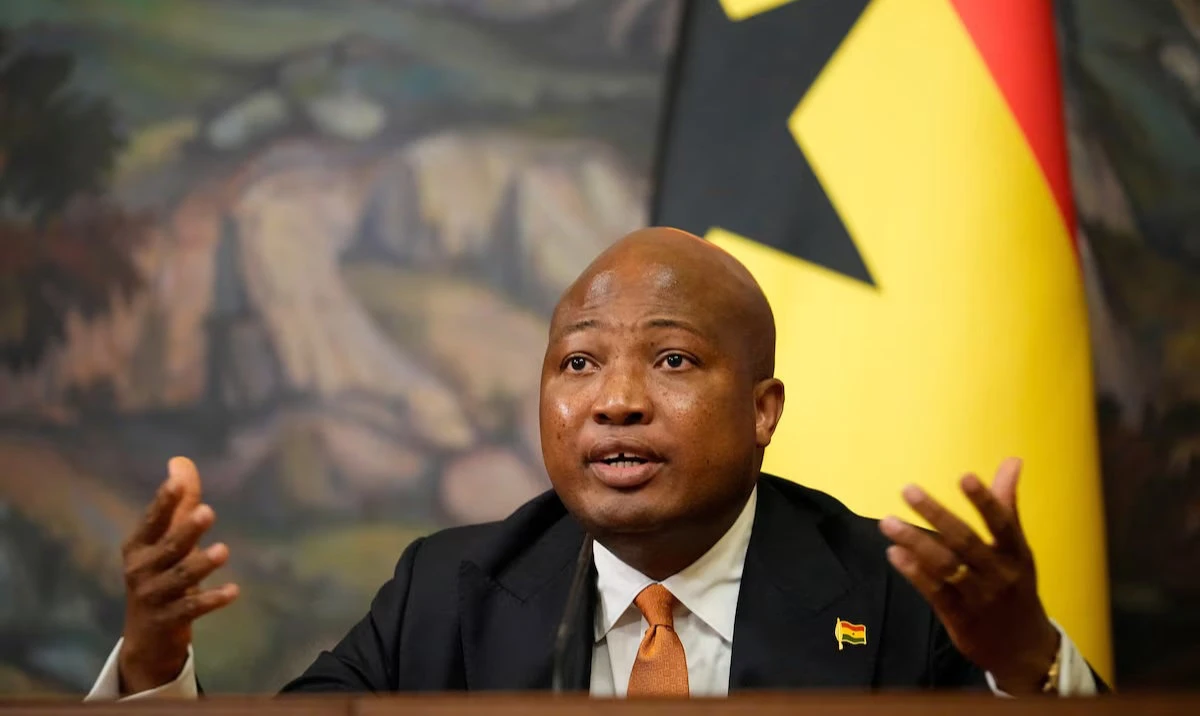
“This is imbalanced, unfair and we are rejecting it as we rejected the first draft,” Mustafa Osman Ismail said. The United States modified its call for UN sanctions against Sudan on Tuesday, but still kept up the threat of punitive measures if Khartoum did not take action to stop atrocities being perpetrated in the remote western region of Darfur.
Ismail said the draft bill, circulated by the United States on Tuesday, had led to the failure of a round of talks between rebels and the Sudanese government in Abuja. Sudan earlier denied they had collapsed.
“Just as the first resolution had an affect on the talks in Addis Ababa and led to their failure, this draft resolution led to the failure of this round in Abuja,” Ismail said. But he immediately qualified his comment.
“We can’t say they (the talks) have failed, there has been progress in some areas, but it has made them more complicated and made the rebels more hard-line and they are now waiting for the draft resolution and what it brings.”
Meanwhile, a team from human rights group Amnesty International arrived in Sudan’s troubled Darfur region yesterday to investigate abuses against the civilian population.
One group from the London-based body traveled to Nyala, the capital of south Darfur, and the other, led by Amnesty Secretary-General Irene Khan, headed to Geneina in west Darfur.