CALCUTTA, 26 September 2004 — The federal government has decided to set up an all-powerful Kashmir-type Unified Headquarters in insurgency-wracked Manipur, a senior commander in Calcutta’s Fort William, army headquarters of eastern India, has said.
Imposition of a Unified Headquarters spearheaded by the military shows that Prime Minister Manmohan Singh’s government plans to crush the growing civil disobedience movement in the remote northeastern province with an iron fist.
“There is no scope for any complacency. The situation in Manipur is worsening daily. The so-called civil movement gathering momentum there is the perfect cover for banned secessionist outfits to malign and take on security forces”, the commander said on condition of anonymity.
He added that the Manipur Unified Headquarters (MUH), along the lines in war-torn Jammu and Kashmir state, “will manage the security situation as efficiently as possible.”
The long-running separatists’ campaign for an independent Manipur got a big boost in July when civil rights groups started a statewide agitation to repeal the notorious Armed Forces Special Powers Act widely abused by security forces.
The Apunba Lup, an umbrella organization of 32 rights groups, said the people of Manipur are prepared to face bullets to force the federal authorities to scrap the security act. Visits by Home Minister Shivraj Patil and Army Chief Gen. N. C. Vij have failed to bring the situation under control.
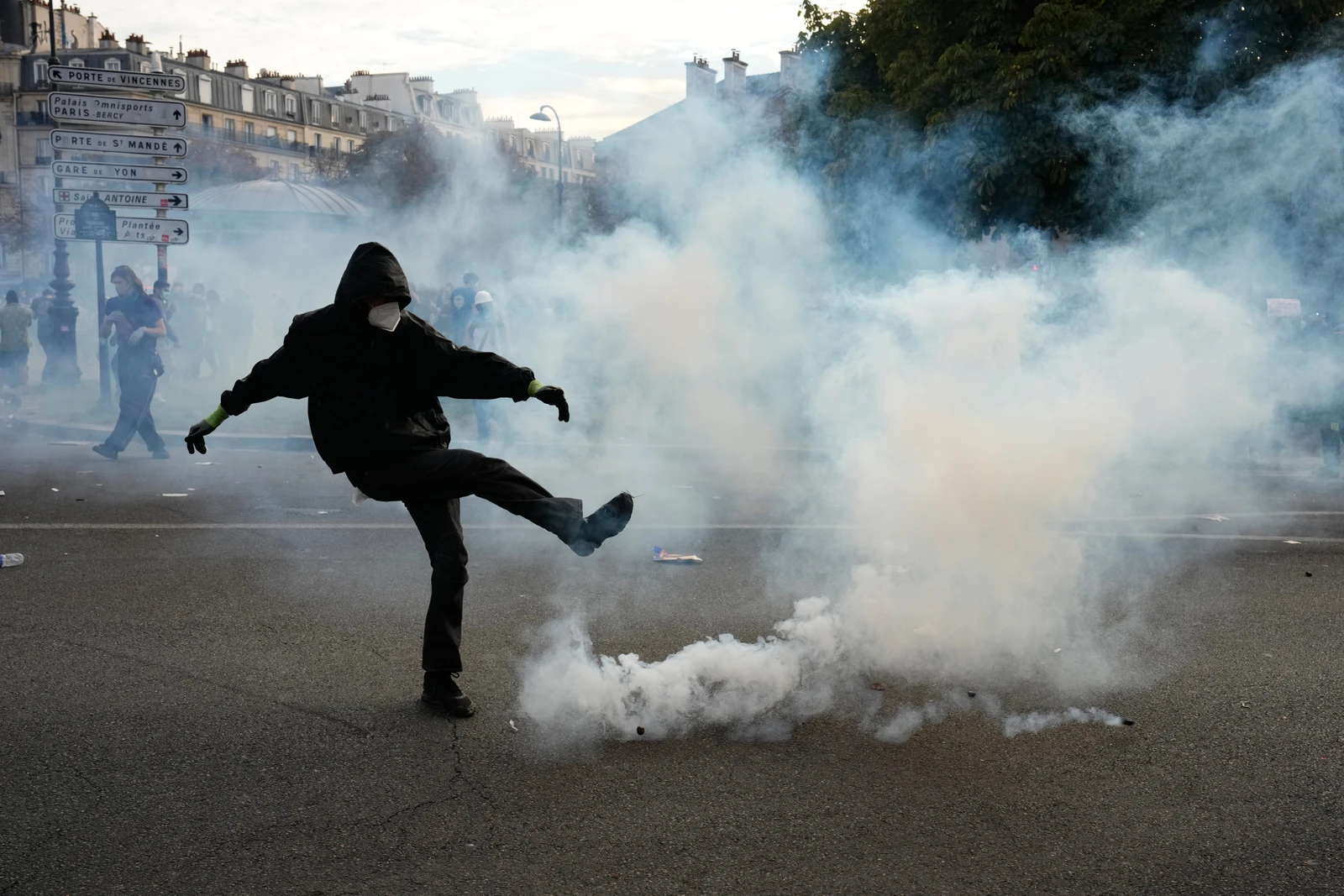
Over the past two months, protesters have marched through the streets of the state capital, Imphal, shut down schools and businesses and clashed with police in their campaign against the unpopular counter-insurgency law.
This week, activists began an unprecedented 16-day blockade to stop buses and trucks from entering or leaving Manipur.
In another show of protest, two leading student unions ordered a ban on the teaching of Hindi, the national language, in schools and colleges across Manipur, saying people there were not being treated on par with other Indians.
As in Kashmir, MUH will be chaired by Chief Minister Okram Ibobi Singh to give an impression of civilian control but the army and other security forces will call the shots as is happening in Kashmir.
Aside from the army, which will be represented by General Officer Commanding of 57 Division based in Leimakong, on the outskirts of Imphal, MUH will have representatives from all security and intelligence agencies, including top police and civil authorities of the Manipur provincial administration.
More than 500 trucks move in and out of Manipur, a landlocked state bordering Myanmar, daily carrying food and other supplies to its 2.5 million people. The state government has stockpiled one month’s supply of rice, potatoes and onions, a government official said.
Most Manipuris belong to the Meitei ethnic group. The state was an independent kingdom until accession to India at the time of India’s independence in 1947, but rebels have long accused the federal government of neglecting the state’s economy.
The Armed Forces Special Powers Act in force across the insurgency-wracked states of the northeast gives soldiers sweeping powers to arrest or shoot suspected rebels or search their homes without involving civil authorities.
The federal government says the law is necessary to fight more than 20 armed groups that operate in Manipur, most of them seeking to break away from India.
In July, soldiers picked up Manorama Devi, a 32-year-old woman they accused of being a rebel and claimed they shot her dead as she was trying to escape. But local residents insist she had been raped and a forensic report revealed semen stains on her garment. The army denied rape. Manorama’s gruesome rape and murder triggered an unprecedented agitation in Manipur which New Delhi does not know how to quell.