RIYADH, 2 October 2004 — Unemployed expatriates with their own vehicles are increasingly resorting to new ways of robbing unwary passengers in the capital. Three such cases came to light recently. Abu Bakar, an Indian salesman, said that while returning from India, he and his friends were asked by an Arab whether they needed a taxi. “SR10 per head,” he said. The offer looked too attractive to be turned down. So they all got in.
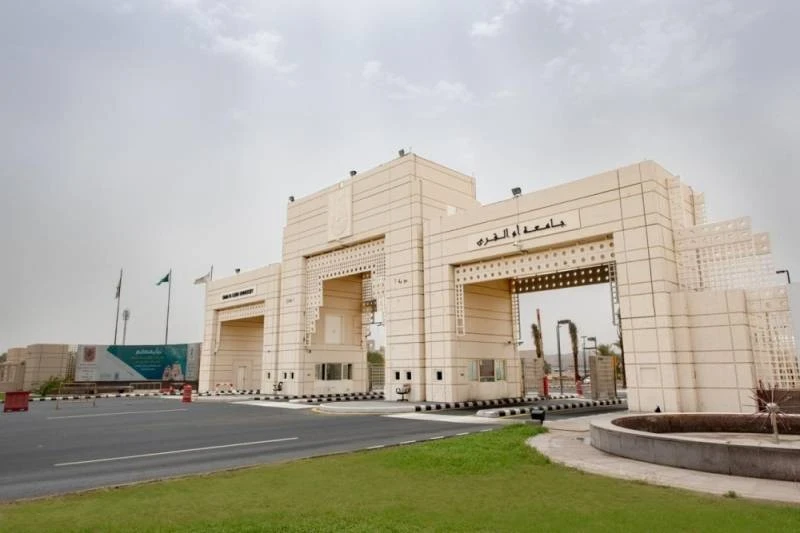
Abu Bakar said: “As we got out of King Khaled International Airport, we noticed that our taxi was part of a convoy of four vehicles moving together. Then the driver started communicating with the other drivers behind in Arabic via his cell phone. As the vehicles diverted from the main route, we became suspicious and asked the driver to stop. But he wouldn’t listen and kept driving toward an isolated place near Imam Muhammad ibn Saud Islamic University.”
He continued: “Meanwhile, the driver demanded that we pay SR50 per head extra. When we refused as this was not what we had agreed to in the beginning, the Arab expatriate stopped somewhere near Imam university together with all the other vehicles that were following us. We were assaulted and forced to pay SR50 each. Then they halted an incoming taxi and asked us to take it to Batha. Before we left, we were threatened not to inform police. They told us where they could find us at Batha. So we were too scared even to note down the car’s registration number.”
In another case, Mustafa Hashim, who works for an Islamic journal, said he has stopped going by “private taxis” to his office at King Fahd Road after a shocking experience. He said as he was waiting for a “coaster” (a mini bus) when an Arab expat asked if he needed a ride. He said the fare would b SR2 — the same fare he pays for a ride on the coaster.
“I noticed that an African expat was seated in front. So I took the back seat. A few minutes later, the driver veered his vehicle off the main road and told me in Arabic, ‘maalish, he wants to get down here’,”. It was a small lane off King Fahd Road. Hashim was then asked to come in front. “As I took the front seat, I noticed a thick wad of cash lying below the front seat. I pretended not to have noticed it. As the car was heading for the main road, the African expat who had just got down shouted at the driver to halt. Seeing him moving toward his vehicle, the driver quietly took away the cash bundle that was lying under my seat.”
Hashim said the African expat told him that he had lost his cash in the car and asked him if he had seen it. “I said no and showed him my purse. At this stage, the driver of the vehicle told him he had found the cash under the seat of his vehicle and asked him if it belonged to him. The man then asked me to get down as he had to take the driver to the police station. Subsequently, I learned that both the driver and the other person were part of the same gang and would have robbed me if I had a large amount in my purse.”
In a third incident, Amin Cave, a Filipino expatriate, told Arab News that unemployed expatriates, mostly of Afro-Arab origin, have found another way of entering houses and robbing the residents. They would switch off the light from outside through the main switchboard. When the residents come out to find out what has happened, they attack them and run away with whatever they can lay their hands on, he added.