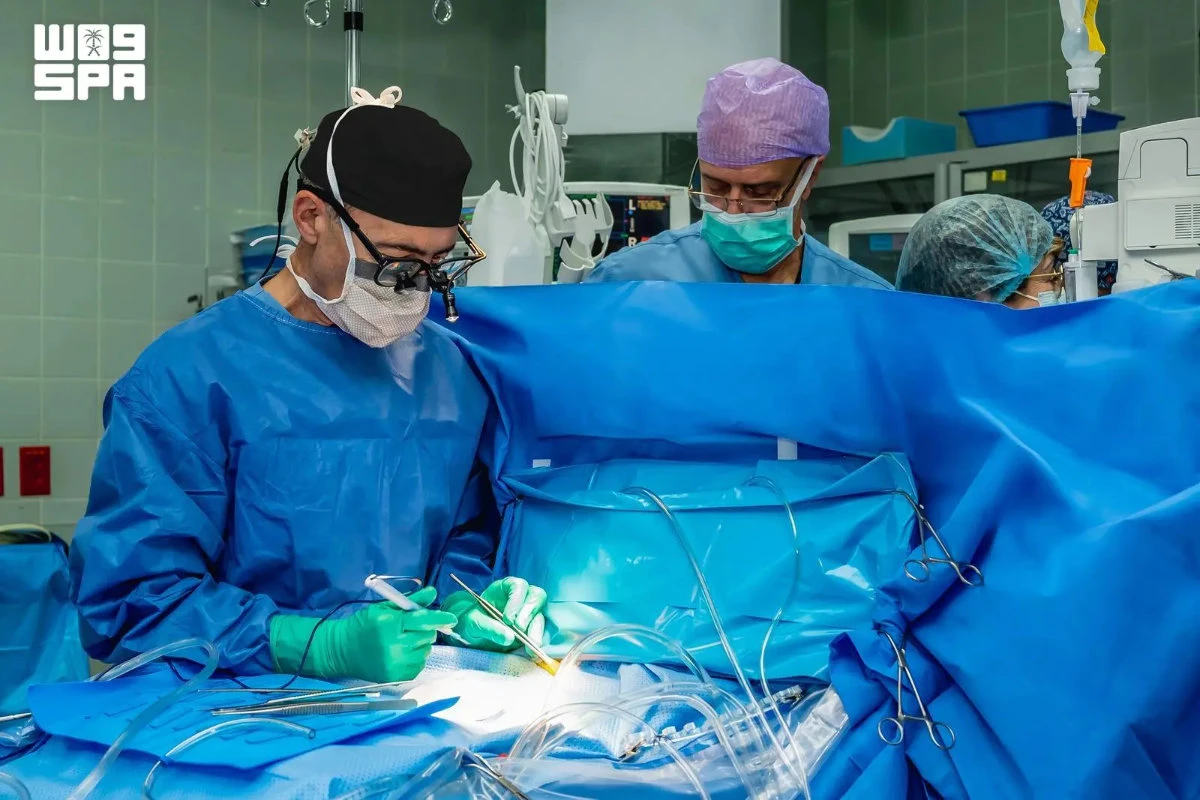
JEDDAH, 19 October 2004 — A sustained drive has been launched Kingdomwide, especially in Jeddah and Riyadh, to focus on the prevention and treatment of infections. Particularly in focus are the problems created by surgical site infections (SSI) and hospital acquired infections (HAI). Select specialists and experts from private hospitals and research centers have been grouped to continue with a series of meetings.
“Infections, especially at surgical sites and those acquired at hospitals, have become an area of critical importance in the health care community, as it has proven that an effective infection control procedure can reduce patient morbidity, mortality and length of stay,” said Dr. Sami Badawoud, director general, King Fahd Specialist Hospital & Research Center (KFSH&RC).
Aside from Badawoud, the group includes Dr. Mohamed Khoshim, executive director of Medical Services in the Western Province, Dr. Samar Badreddine, director of infection control unit, KFSH&RC, and a group of consultants. HAI and SSI can have many sources, some of which include invasive surgical procedures and inconsistent infection control practices. As such they are difficult to prevent. “By using appropriate preventative measures, we can dramatically reduce rates of SSI and its associated costs,” he added.
Sixty percent of all SSI cases are estimated to be involved in one of these pathogens — Staph a, Staph e, Methicillin Resistant Staphylococcus Aureus (MRSA) and Methicillin Resistant Staphylococcus Epidermidis (MRSE), and that nearly 66 percent of all surgical site infections are confined to the incision alone.
Patients incur a 20-25 percent increase in costs due to HAI and SSI. Most of these costs are for nursing care and hospital overheads, and simple preventive measures can drastically reduce these costs. The average SSI management cost is anywhere between $6,700 to $9,500 per case. Primary costs include the patient’s prolonged stay, as well as diagnostic and therapeutic interventions. Post-operative SSI cases can be expensive, although at present the overall cost to hospitals, community and patients throughout the Middle East remains unclear.
As part of its effort to increase awareness of HAI, Ethicon, a Johnson & Johnson company, recently conducted an informal survey among health care professionals on prevention of surgical site infections. The key finding was a consensus among respondents that prevention of surgical site infections is a significant factor in reducing the overall number of hospital-acquired infections.
Infection control is the responsibility of all health care professionals. The meeting agreed that infection control is a matter of grave concern with health practitioners across the Middle East and worldwide and emphasized that the economics involved in effectively managing SSI cases should be recognized.