BAGHDAD, 24 October 2004 — US troops captured a top terrorist, an aide to Abu Mussab Al-Zarqawi, the militant behind a wave of attacks and kidnappings, as violence across Iraq killed 32 people and injured dozens yesterday.
Twin suicide car bombs killed 11 Iraqi police and guards.
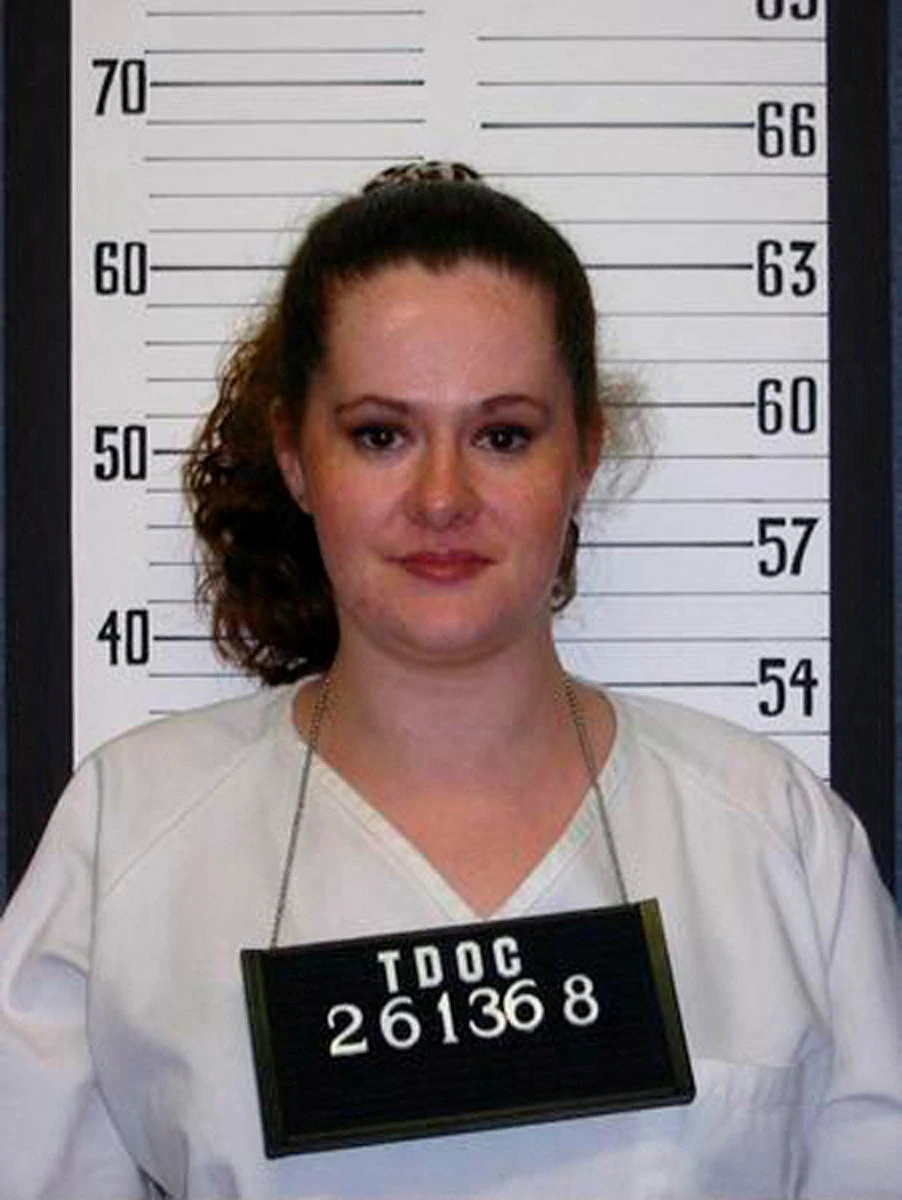
Top officials from aid agency CARE appealed for the release of their kidnapped British-Iraqi executive Margaret Hassan, one day after she made a desperate plea to the British government to save her life by pulling its troops out of the country.
Highlighting the resolve of the insurgents, a suicide car bomb ripped through a police academy in Baghdadi, a town about 200 kilometers west of the capital early yesterday as policemen gathered for a training session.
“A suicide bomber drove into the academy where police were training and blew himself up,” said Mujtaba Ahmed Al-Hiti, police chief in the neighboring town of Hit. “The attack left 10 people dead and 40 wounded.”
A second suicide bomber struck about half an hour later in a farming town north of Baghdad. “A car bomb, driven by a suicide driver, exploded at 8:00 a.m. at an Iraqi National Guard checkpoint in Ishaki — 20 kilometers south of Samarra — killing four and wounding six, all of them guardsmen,” said Hamid Ahmad from the police in neighboring Balad.
But National Security Adviser Kassim Daoud later revised the toll to one killed and two wounded. Ishaki is close to the restive city of Samarra, which US and Iraqi troops stormed at the start of the month in the first major push to retake a Sunni rebel bastion ahead of national elections planned for January.
In the northern city of Arbil in Iraqi Kurdistan, police chief Col. Taha Ahmad Omar, was shot dead as he exited a mosque after dawn prayers, officials said.
In Fallujah, the US military said it captured a newly appointed senior Zarqawi follower and five other insurgents during a dawn raid in the south of the Sunni bastion, which has become the target of near nightly US airstrikes in the hunt for the Jordanian-born militant and his disciples.
“Due to a surge in the number of Zarqawi associates who have been captured or killed by multinational strikes and other operations, the member had moved up to take a critical position as a Zarqawi senior leader,” the military said. Determined to regain control of the city, which has become a no-go zone for the US Army and Iraqi forces, a joint force of more than 1,000 have encircled the area since last Friday, with sporadic clashes erupting with militants.
But Defense Minister Hazem Shaalan sounded some hope that the Fallujah conflict may be resolved peacefully, saying that he has resumed contact with some leaders in the city after talks broke down last week with a warning from Allawi to residents to hand out Zarqawi or face an assault. With its attention on Fallujah, Washington has called on top ally London to redeploy 850 soldiers from its contingent in the relatively calm south of Iraq to more dangerous areas closer to Baghdad.
Britain agreed to the request Thursday and a spokesman for its 8,500-strong contingent in Iraq’s second city of Basra said yesterday that troops from the Black Watch would likely make the move in the coming days, although he declined to give a specific date.
Adding to the sense of drama around the decision to send British troops into harm’s way, Hassan, the kidnapped director of CARE International’s Iraq operations, begged Prime Minister Tony Blair to backtrack and instead pull all British troops out of the country to save her life.
Top officials from the relief agency appealed to the kidnappers of 59-year-old Hassan, stressing that she was an Iraqi citizen and pleading for her release.
Meanwhile another hard-line group accused of links with Al-Qaeda posted photos on the Internet of the purported beheading of a man, who it said was working with US forces as an informant without giving his nationality.
— Additional input from agencies